Wondering whether the air inside your home is making you feel off? Indoor air quality mostly depends on what gets released indoors and how much fresh air dilutes it, so control sources first and ventilate.
| Key fact | Value |
|---|---|
| Time people spend indoors | Approximately 90 percent |
| Primary cause of indoor air problems | Indoor pollution sources that release gases or particles into the air |
| Ways outdoor air enters a building | Infiltration, natural ventilation and mechanical ventilation |
| Immediate health effects | Irritation of the eyes, nose and throat, headaches, dizziness and fatigue |
| Long-term health effects | Some respiratory diseases, heart disease and cancer |
These figures come from the EPA’s Introduction to Indoor Air Quality and the EPA and Consumer Product Safety Commission booklet The Inside Story: A Guide to Indoor Air Quality. Agency pages get revised, so check the source before you rely on them.
What indoor air quality means for your home
In the EPA’s words, indoor air quality (IAQ) refers to the air quality within and around buildings and structures, especially as it relates to the health and comfort of building occupants. The agency adds that understanding and controlling common pollutants indoors can help reduce your risk of indoor health concerns, as set out in its introduction to indoor air quality.
Your own rooms matter more than you might expect. Research cited in the EPA and CPSC booklet indicates that people spend approximately 90 percent of their time indoors. The same booklet reports a growing body of scientific evidence that air inside homes and other buildings can be more seriously polluted than the outdoor air in even the largest and most industrialized cities (EPA, The Inside Story).
There is good news in that booklet too: indoor air pollution is a risk you can do something about. This hub walks through where pollutants come from, how fresh air gets in, what the health effects look like and a sensible order of action. Along the way it points you to focused guides for each topic.
Where does indoor air pollution come from?
The EPA names indoor pollution sources that release gases or particles into the air as the primary cause of indoor air quality problems. Its list of typical sources is broad, and most homes have several of them at once (EPA):
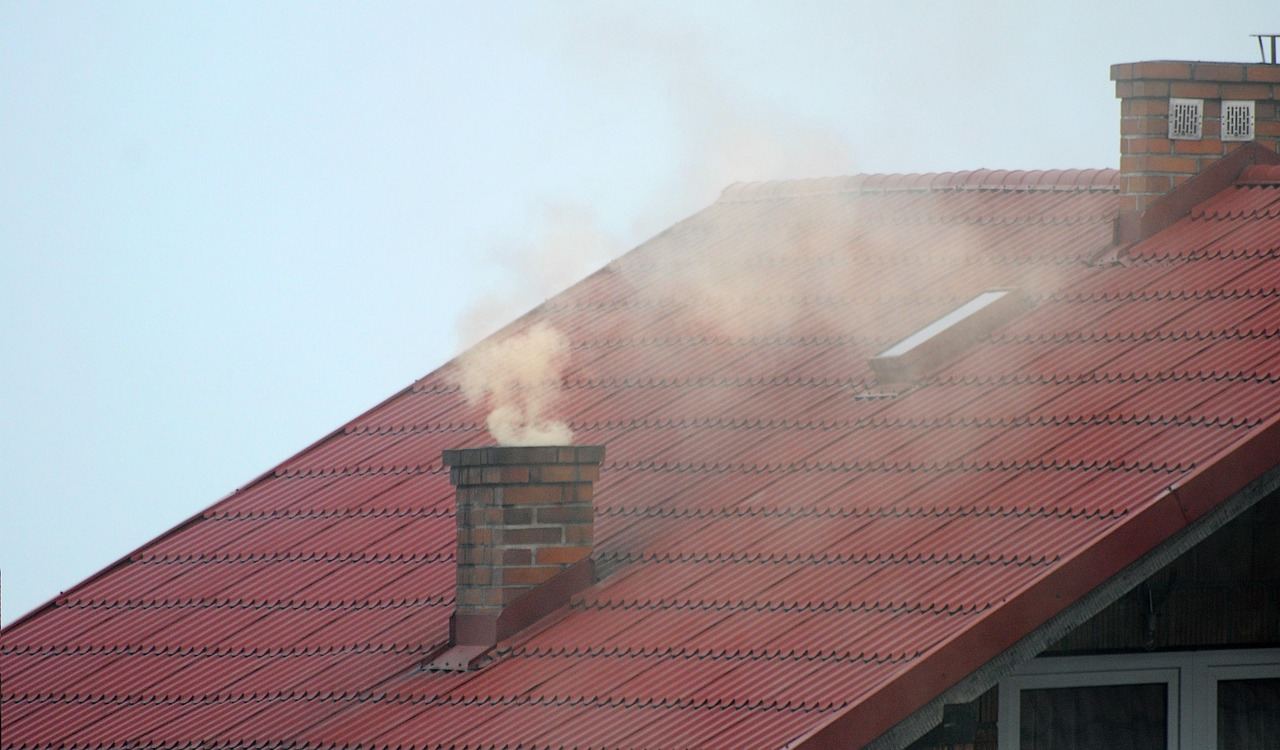
- Fuel-burning combustion appliances
- Tobacco products
- Building materials and furnishings, such as deteriorated asbestos-containing insulation, newly installed flooring, upholstery or carpet, and cabinetry or furniture made of certain pressed wood products
- Products for household cleaning and maintenance, personal care, or hobbies
- Central heating and cooling systems and humidification devices
- Excess moisture
- Outdoor sources such as radon, pesticides and outdoor air pollution
How a source behaves over time changes how you deal with it. Building materials, furnishings and air fresheners can release pollutants more or less continuously, while smoking, cleaning, redecorating and hobbies release them in bursts. Concentrations can stay in the air for long periods after some of those activities.
Age and upkeep count as well. The EPA’s example is a gas stove: an improperly adjusted one can emit significantly more carbon monoxide than one that is properly adjusted. Unvented or malfunctioning appliances and improperly used products can release higher and sometimes dangerous levels of pollutants indoors.
Pollutants also add up. The booklet explains that levels from individual sources may not pose a significant health risk alone, but most homes have more than one source, so the cumulative effect can be a serious risk (EPA and CPSC).
Several of these sources have their own guide on this site:
- Chemical emissions from products and furnishings are explained in our primer on what are vocs.
- Cooking appliances are the subject of our guide to gas stove indoor air pollution.
- Radon, an outdoor source on the EPA’s list, is covered in our walkthrough of how to test for radon.
- Excess moisture is a listed source, and our guide on how to prevent mold in house shows how to keep damp under control.
- Particles that settle on surfaces are the focus of our advice on how to reduce dust in house.
How fresh air gets in, and why ventilation matters
Sources are only half the story. If too little outdoor air enters, pollutants can accumulate to levels that can pose health and comfort problems, because ventilation both dilutes emissions from indoor sources and carries indoor pollutants out of the area (EPA).
Outdoor air enters and leaves a building in three ways:
- Infiltration: outdoor air flows in through openings, joints and cracks in walls, floors and ceilings, and around windows and doors.
- Natural ventilation: air moves through opened windows and doors.
- Mechanical ventilation: devices range from outdoor-vented fans that intermittently remove air from a single room, such as a bathroom or kitchen, to air handling systems with fans and duct work.
Infiltration and natural ventilation are driven by air temperature differences between indoors and outdoors, and by wind. The rate at which outdoor air replaces indoor air is called the air exchange rate. When there is little of any of the three, that rate is low and pollutant levels can increase.
Airtight construction cuts both ways. Buildings designed to minimize outdoor air leakage may have higher indoor pollutant levels unless they include special mechanical ventilation. Weather can also drastically reduce the outdoor air entering a home, so pollutants can build up even in houses normally considered leaky (EPA and CPSC).
Heat and moisture play a part too. The EPA notes that high temperature and humidity levels can increase concentrations of some pollutants, which is why it pays to know the ideal indoor humidity level for your home.

How indoor air affects your health
Short-term effects
Some reactions appear soon after a single or repeated exposure. The EPA lists immediate effects such as irritation of the eyes, nose and throat, headaches, dizziness and fatigue. These are usually short-term and treatable, and sometimes the fix is simply removing your exposure to the source.
Symptoms of conditions such as asthma may also show up or get worse soon after exposure to some pollutants. How likely you are to react depends on factors including age and preexisting medical conditions, and individual sensitivity varies tremendously from person to person (EPA).
The trouble is that these effects look a lot like a cold or another viral illness. The agency’s advice is to watch the time and place your symptoms occur, and if they fade when you leave an area, to look for indoor sources there. Our checklist of the signs of poor indoor air quality can help you spot those patterns.
Long-term effects
Other effects may appear years after exposure, or only after long or repeated exposure. According to the EPA, these long-term effects include some respiratory diseases, heart disease and cancer, and they can be severely debilitating or fatal.
The science is not settled on everything. The EPA acknowledges considerable uncertainty about which concentrations or periods of exposure are needed to produce specific health problems. Even so, it calls trying to improve the air in your home prudent even if symptoms are not noticeable.
Who is most at risk
The booklet points out that people who may be exposed for the longest periods are often the most susceptible. Those groups include the young, the elderly and the chronically ill, especially people with respiratory or cardiovascular disease (EPA and CPSC). If someone in your household fits that description, treat air quality as a higher priority.
A sensible order of action for cleaner air at home
Because sources and ventilation drive most problems, this site suggests working from the cause outward. Here is a practical order built on the EPA’s explanation above:
- Find the sources. Walk through the list earlier in this guide and note when and where symptoms occur.
- Fix or remove them. Keep fuel-burning appliances properly adjusted and maintained, and avoid unvented or malfunctioning ones.
- Bring in outdoor air. Open windows and doors when conditions allow, and use outdoor-vented fans in bathrooms and kitchens.
- Control moisture. Deal with damp and keep humidity in a sensible range.
- Measure. Use a monitor or a test kit to check what you cannot see or smell.
- Add filtration last. Treat portable cleaners as a supplement to the steps above.
For a fuller walkthrough, read our guide on how to improve indoor air quality. If you want data on your own rooms, our page on the indoor air quality monitor explains what to look for.
Considering a portable cleaner? Our hub on air purifiers compares models using published specs and certifications, never payment. Outdoor air pollution is also on the EPA’s source list, so our hub on air pollution is a useful companion read.

Frequently asked questions
Is the air inside my home really worse than the air outside?
Show answer
It can be. The EPA reports evidence that indoor air sometimes ends up more polluted than outdoor air in major industrial cities, though the answer depends on the sources and ventilation in your particular home.
How can I tell whether my symptoms come from my home?
Show answer
Track where and when they strike. Headaches, dizziness or irritated eyes that ease once you leave a room point toward a source there, but because cold-like symptoms overlap, ask a health professional about anything persistent (EPA).
Does a tightly sealed house have worse air?
Show answer
It may, if nothing replaces the stale air. Homes built to limit leakage can hold more pollutants unless they have dedicated mechanical ventilation, so a sealed envelope and a ventilation plan should go together.
Should I bother improving my air if I feel fine?
Show answer
The EPA says yes. It calls improvement prudent even without noticeable symptoms, partly because some harmful effects may take years to appear and individual sensitivity differs widely.