
Wondering if something is off at home? The most common signs of poor indoor air quality are stuffy rooms, damp spots, recurring headaches or irritated eyes that ease when you leave. Notice the pattern, then trace the source.
This guide is part of our wider look at indoor air quality, which covers pollutants, sources and fixes in one place.
| Item | Value |
|---|---|
| Share of time Americans spend indoors, on average | Approximately 90 percent |
| Some indoor pollutant levels compared with typical outdoor levels | Often 2 to 5 times higher |
| Indoor humidity range advised by the EPA | Between 30 and 50 percent |
| Radon’s rank among causes of lung cancer | Second leading cause overall |
| Carbon monoxide | Colorless, odorless gas |
These figures come from the EPA’s Report on the Environment and its Care for Your Air guide. They can change, so check the source before you rely on them.
Symptoms in your body that point to your air
Your body is often the first alarm. The EPA lists immediate effects such as irritation of the eyes, nose and throat, headaches, dizziness and fatigue, and notes they are usually short-term and treatable (EPA introduction). Sometimes the cure is simply ending your contact with the source.
Different pollutants tend to show up in different ways:
- Sore eyes, a burning nose or throat, headaches and tiredness can come from a range of household pollutants.
- Sneezing, a runny nose, red eyes and skin rashes are typical of mold.
- Coughing, chest tightness and wheezing suggest asthma triggers such as dust mites, pet dander or secondhand smoke.
- Headaches, dizziness, weakness and nausea can signal carbon monoxide.
The EPA’s Care for Your Air guide describes each of these links, and it warns that an asthma attack can be life threatening.
Watch the pattern, not just the symptom
Many indoor air symptoms look like a cold, so the time and place they appear is your best clue. If they fade when you are away from a room or the house, the EPA says to look for indoor sources that could be responsible (EPA introduction).
Keep a simple note for a week or two: what you felt, where you were and what you had just done, such as cleaning or running the stove. Children, older adults and people with existing health problems are more vulnerable, and individual sensitivity varies a great deal.
Clues you can see, smell and feel around the house
Some signs show up in the building before they show up in you. Walk through each room and look for the items below.
- Air that feels stale or stuffy, particularly in tightly sealed rooms.
- Damp or wet carpet, or mold on a shower curtain or other damp surface.
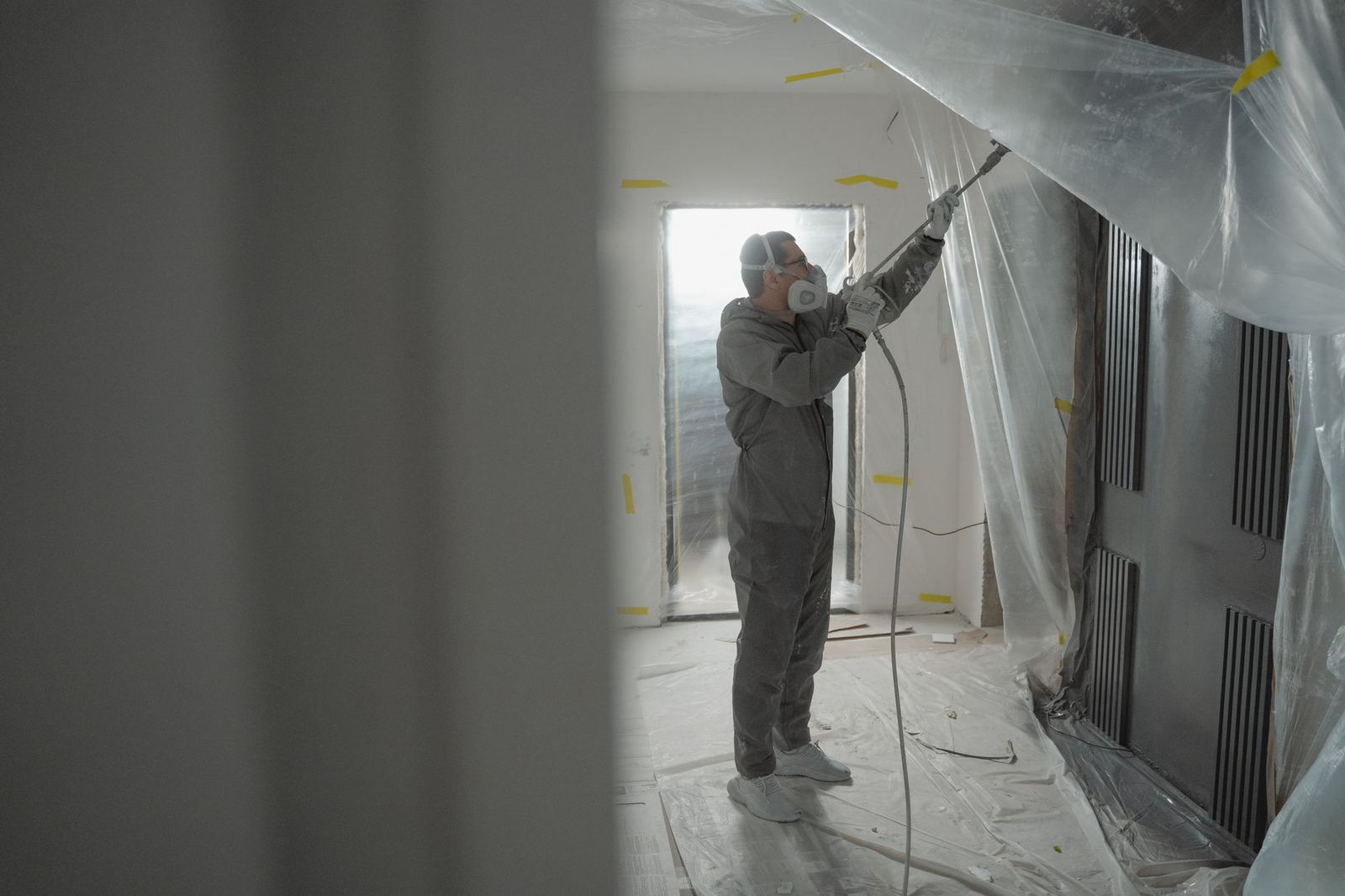
- A sharp chemical smell after painting, cleaning or laying new flooring.
- Lingering odors from air fresheners, moth repellents or dry-cleaned clothing.
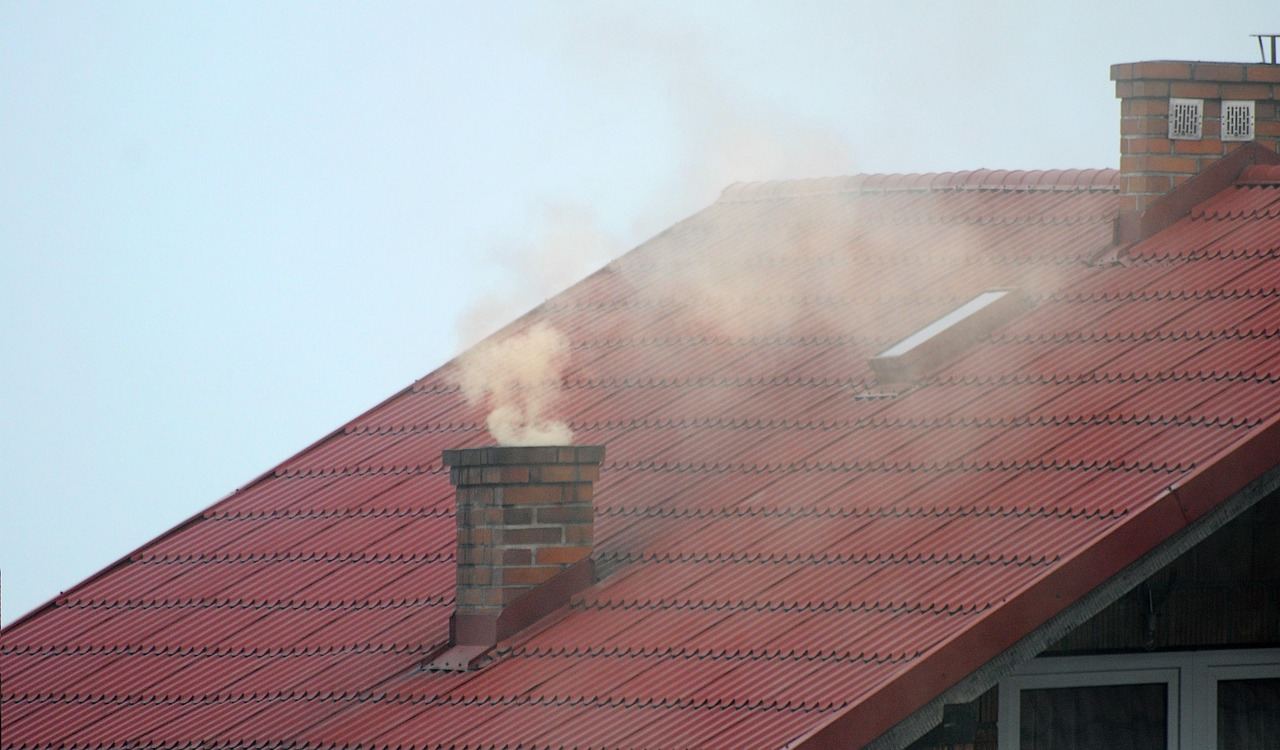
- A gas stove, space heater or fireplace that is unvented, poorly maintained or badly adjusted.
Stuffiness matters because low ventilation lets pollutants build up when too little outdoor air gets in. Chemical smells matter because volatile organic compounds, or VOCs, evaporate when products are used and sometimes even while they are stored (EPA guide).
Smells can also outlast the task that caused them. The EPA says pollutant concentrations can stay in the air for long periods after some activities, so a room can still be affected hours after you finish.

What makes indoor air worse in the first place
Most people are exposed for long stretches. Americans spend approximately 90 percent of their time indoors, where some pollutant levels are often 2 to 5 times higher than typical outdoor concentrations (EPA Report on the Environment).
The EPA names indoor sources as the primary cause of problems, with weak ventilation making them worse. Common sources include:
- Fuel-burning appliances and tobacco products.
- Building materials and furnishings, such as pressed wood cabinetry and new carpet.
- Household cleaning, personal care and hobby products.
- Heating, cooling and humidification equipment.
- Excess moisture, plus outdoor sources such as radon and pesticides.
Condition matters too. According to the EPA introduction, an improperly adjusted gas stove can emit significantly more carbon monoxide than a properly adjusted one.
Problems your senses will not catch
Some of the most serious hazards give no warning. Carbon monoxide is a colorless, odorless gas that interferes with oxygen delivery in the body, and radon is a radioactive gas formed in the soil (EPA guide).
Radon can enter through cracks and openings in floors and walls that touch the ground. It is the second leading cause of lung cancer overall, and the leading cause among nonsmokers, so a clean-smelling home is not proof of safe air.
Measuring is the answer. A humidity gauge from a hardware store covers moisture, and an indoor air quality monitor is the next step if you want to track more than humidity. Radon needs its own test, and the EPA suggests considering a carbon monoxide alarm.
What to do once you spot the signs
Start with the cheapest moves and work outward:
- Record when and where symptoms appear, and whether they ease when you leave.
- Remove or reduce the likely source, which the EPA says is usually the most effective fix.
- Ventilate. Open windows when the weather allows, and use bathroom and kitchen fans that vent outdoors.
- Check humidity with a gauge and aim for between 30 and 50 percent, since damp air raises the likelihood of mold.
- Change or clean the filters in your central heating and cooling system on schedule.
- Test for radon, and have fuel-burning appliances inspected for leaks.
These steps follow the EPA’s Care for Your Air guide. For a longer walk through of fixes, read our guide on how to improve indoor air quality.
See a doctor if symptoms are severe, keep returning or involve breathing trouble. Leave the building and get help at once if you suspect carbon monoxide.
Frequently asked questions
Can poor indoor air make you ill?
Show answer
Yes. The EPA says effects can appear soon after exposure or possibly years later, and the later ones include some respiratory diseases, heart disease and cancer.
How can I tell whether my home is the cause?
Show answer
Look at where you are when you feel worse. If you feel better after time away and worse again on return, your home or one room in it is a reasonable suspect.
Does a house with no odors have clean air?
Show answer
Not necessarily. Carbon monoxide has no color or smell, and you cannot sense radon either, so these call for an alarm and a test rather than your nose.
Should I act if nobody has symptoms?
Show answer
It is still worth it. The EPA calls it prudent to improve your home’s air even when symptoms are not noticeable, because some harm builds up over time.