Dust and fumes after a remodel worry you, and fair enough. Indoor air quality after renovation depends on the materials you used and what you disturbed: ventilate, choose low-emission products, and treat old paint and insulation with care.
For the wider picture of what affects the air at home, start with our guide to indoor air quality.
| Item | Value |
|---|---|
| Homes likely to contain lead paint | Built before 1978 |
| Problem “Chinese drywall” installation window | Between 2001 and 2009 |
| Laminate flooring tested for high formaldehyde | Manufactured between 2012 and 2014 |
| Renovated rooms in a European VOC field study | 51 rooms |
| Complaint cases within that study | 46/51 |
These figures come from the American Lung Association and a European Commission Joint Research Centre publication. They can change, so check the source before you rely on them.
Why a remodel changes the air in your home
A renovation does two things at once: it brings new materials in and it disturbs old ones. The American Lung Association says new construction or remodeling materials may emit fumes or dust that can endanger your health.
The same page notes that older building materials can release pollutants when they are disturbed or removed. So you have two separate questions to ask: what did we add, and what did we tear out?
Which new materials release the most?
According to the American Lung Association, plywood, furniture and other pressed-wood products often contain chemicals that give off gases and odors as the materials age. These can release formaldehyde and other volatile organic compounds (VOCs) into the air.
The same source lists several other common culprits:
- Paints, adhesives, solvents and polishes, which can emit VOCs, formaldehyde and benzene as they age.
- Carpeting and cleaning products, which are named in the same group.
- “Chinese drywall”, mostly installed in Gulf Coast states and Virginia between 2001 and 2009, which federal investigations found gave off high levels of hydrogen sulfide indoors.
- Laminate flooring manufactured in China between 2012 and 2014, which has tested as emitting high levels of formaldehyde.

Using several products at the same time may mix several different chemical fumes in one room. Some people with the problem drywall reported coughing, shortness of breath, nausea, headaches and fatigue, according to the same page.
What measurements in renovated homes show
A Joint Research Centre publication measured VOCs in 51 renovated rooms in Schleswig-Holstein. They included private flats, schools, a kindergarten and office buildings, and the only common feature was a renovation within the last two years.
In the 46/51 complaint cases, the dominating substances included alkylbenzenes and monoterpenes at high concentrations. Less common substances such as phenoxyethanol and longifolene also appeared at remarkable concentrations, per the same record.
A 2022 study in the journal Atmosphere looked at newly renovated houses. In living rooms and bedrooms, average formaldehyde and TVOC concentrations were higher with the windows closed than with them open.
The same study found that multi-layer wooden structures were a significant predictor of indoor VOC concentrations. It named wooden floors, cold paint multi-layer wooden materials and multi-layer materials for system furniture as the main contributors.
Disturbing old materials: lead and asbestos
Demolition is its own risk. The American Lung Association says homes built before 1978 are likely to contain lead paint.
Older tiles, insulation or drywall may contain asbestos, and tearing out or demolishing these materials can release dangerous chemicals into the air or dust. If your home is that old, treat sanding and demolition as something to plan for, not to improvise.
Steps to take during and after a remodel
The sources point to a short, practical list. Work through it in this order:
- Open windows and use exhaust fans. The American Lung Association page says the CDC recommends this to reduce exposure.
- Choose building materials and paint with low or no emissions, since many can be made with alternative chemicals that emit less.
- Skip products that contain benzene, which causes cancer, or methylene chloride, which converts to carbon monoxide in the body.
- Avoid running many fresh products in the same space at once.
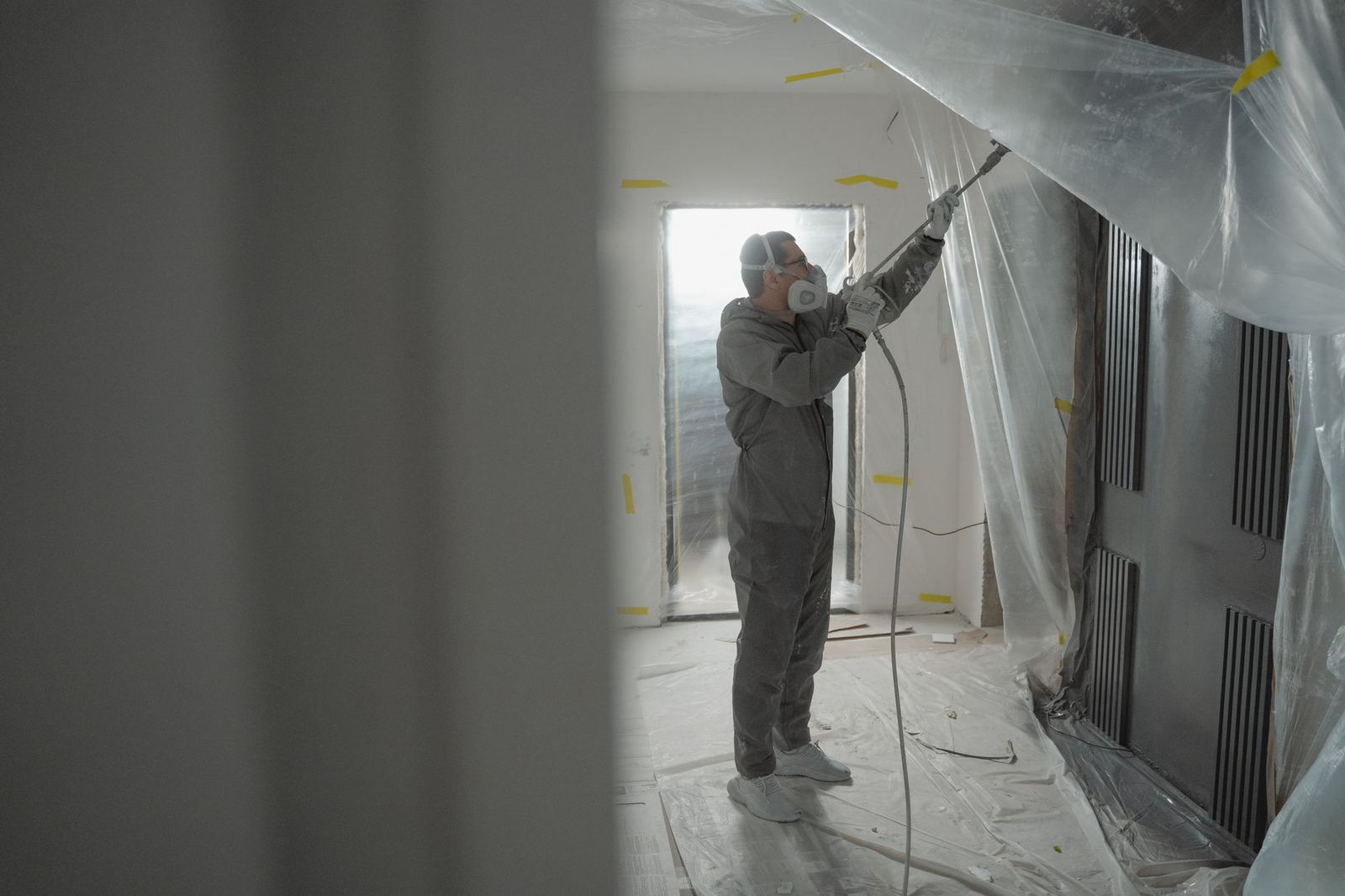
- Plan dust control before you open up walls, floors or paint in an older home.
Humidity also shapes how a finished room feels, so read about the ideal indoor humidity level before you seal everything up again. If your project included a new kitchen, our page on gas stove indoor air pollution covers a different source worth knowing about.
Our recommendations rest on published specifications and public health sources, never on payment from any brand.
Frequently asked questions
Are remodeling fumes really a health concern?
Show answer
They can be. The American Lung Association’s building products page states that new construction or remodeling materials may emit fumes or dust that endanger health.
Does airing out a renovated room make a difference?
Show answer
The 2022 Atmosphere study measured higher formaldehyde and TVOC averages in living rooms and bedrooms when windows stayed shut. That supports keeping air moving while materials settle.
How long do renovation emissions last?
Show answer
The sources we use give no fixed number of days. They do show that complaints can persist: the European field study looked at rooms renovated within the last two years and still found complaint cases.
What should I do before tearing out old paint or insulation?
Show answer
Find out how old the house is first. Lead paint is likely in homes built before 1978, and older insulation or tiles may contain asbestos, per the American Lung Association.