
Tired of wiping surfaces that are dusty again by morning? Learning how to reduce dust in house air and on floors comes down to HEPA vacuuming, damp wiping, weekly hot bedding washes, and drier air.
This guide sits within our broader coverage of indoor air quality, where dust is one of several everyday pollutants.
| Item | Value |
|---|---|
| Typical adult dust intake per day | About 50 micrograms |
| Children’s dust intake per day | Up to 200 micrograms |
| Humidity where dust mites do well | Greater than 50% |
| Dusting and vacuuming to remove allergen buildup | Once or twice a week |
| Damp-mopping hard floors | Once a day |
| Washing bedding | Every week, in hot water |
These figures come from Harvard’s Healthy Buildings home tips and MyHealth Alberta; guidance can change, so check the sources before you rely on them.
Why does household dust matter?
Dust is a mix of fibers, skin flakes, soil, and particles that settle out of the air. Harvard’s Healthy Buildings program describes it as a reservoir for dust mite allergens, harmful chemicals, and air pollution that has settled onto the floor, as laid out on its living room tips page.
Harvard says the typical person ingests about 50 micrograms of dust a day, and children up to 200 micrograms, as dust on the hands transfers to food or mouth. That is why its guidance treats dust as something you take in, not just something you see.
Dust also returns to the air. Settled particles can be resuspended when you walk around or sit down on a couch, according to Harvard, which is why it recommends controlling both the dust on the floor and the dust in the air.
For people with allergies, the trigger is often dust mites. MyHealth Alberta explains that people react to dust mite droppings rather than the mites themselves, and that dust mite allergy is a year-round problem.
Vacuuming and wiping without stirring dust back up
A poor vacuum can undo your work. Harvard warns that non-HEPA vacuums may break dirt into smaller pieces and scatter them around the house, as noted on its home tips page.
Look for a genuine HEPA filter. The Minnesota Department of Health says HEPA filters remove more than 99 percent of particles of approximately point three microns or larger. The American Lung Association puts the capture rate at 99.97% and adds that HEPA-type filters need not meet the same standards.
The Minnesota Department of Health’s vacuuming and dusting video offers a practical order of work:
- Vacuum with a slow, back-and-forth motion in overlapping passes.
- Give corners and crevices extra attention, using the crevice tool.
- Empty the bag or canister once it is half full so airflow stays strong.
- Check that the HEPA filter is seated correctly, and follow the owner’s manual for upkeep.
- Damp dust surfaces, pouring the cleaner onto the cloth instead of spraying it into the air.
Damp dusting works because more of the dust clings to the cloth rather than circulating, the state health department says. Regular vacuuming also lifts dust, dander, and pollen from floors before foot traffic redistributes them, as the American Lung Association describes.
On timing, MyHealth Alberta suggests dusting and vacuuming once or twice a week and damp-mopping hard floors once a day. Because cleaning stirs up dust and worsens the air until it settles, it recommends wearing a mask, or having someone without allergies do the work.
Reduce the places dust collects
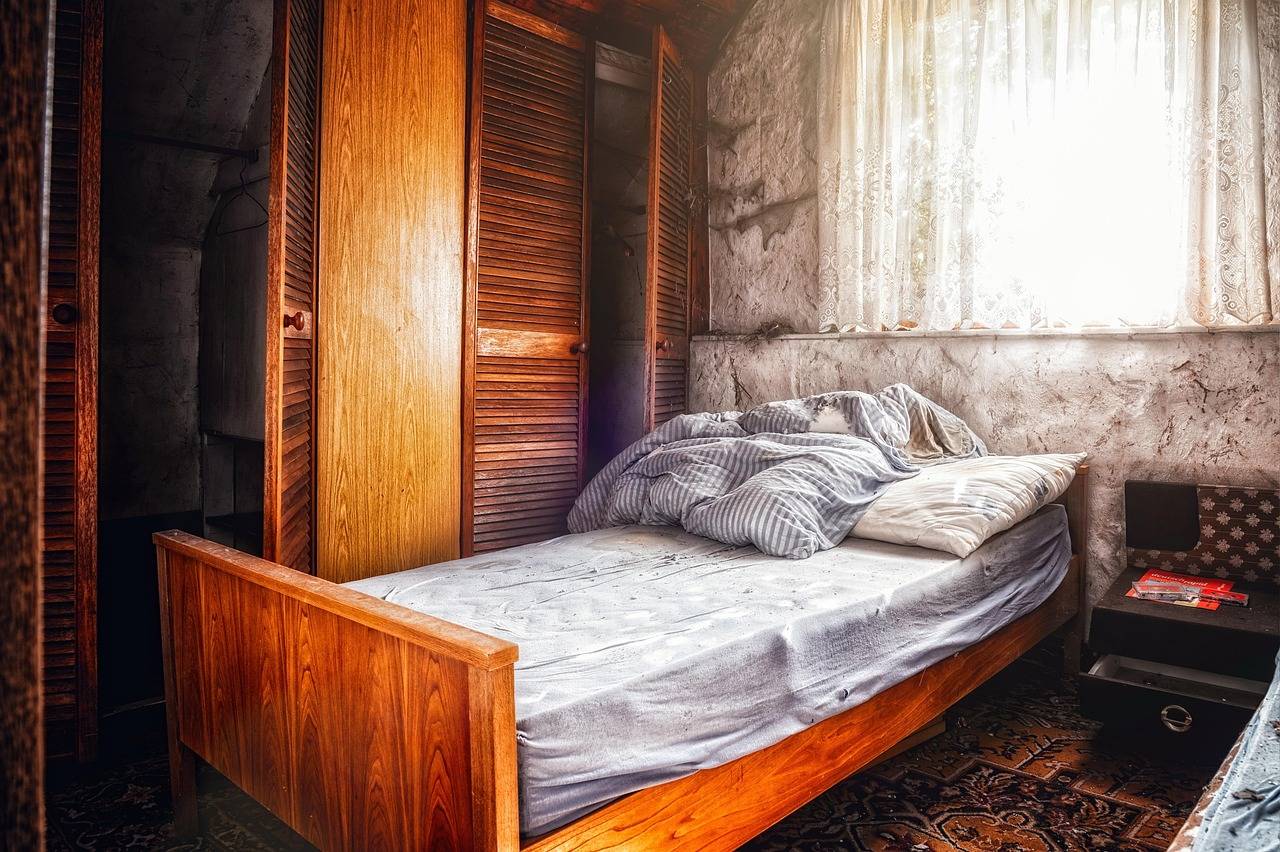
The fewer dust traps in a room, the less there is to clean. MyHealth Alberta recommends avoiding carpet, upholstered furniture, and heavy drapes, and choosing furniture of wood, plastic, leather, or vinyl that wipes clean.
Bedrooms are where these swaps pay off most. The same guidance suggests:
- Replacing drapes and blinds with roll-down shades or washable curtains.
- Clearing stuffed toys, books, knickknacks, and artificial flowers out of the bedroom.
- Choosing smaller rugs that you can wash.
- Covering pillows and mattresses with tight-weave, dust-proof covers.
If removing carpet everywhere is unrealistic, Alberta’s guidance says to consider doing it only in the bedroom. It also notes that wet-vacuuming washes carpet, and that the heat of steam cleaning kills dust mites.
Launder bedding, including pillowcases and mattress covers, in hot water every week, MyHealth Alberta advises.
When you do replace a sofa or carpet, Harvard notes you can find products that meet fire safety standards without chemical flame retardants or toxic stain repellents. It also says to avoid applying stain-repellent sprays to furniture and carpets, since dust can carry chemicals.
Airflow, humidity, and air cleaners
Open windows can bring outdoor dust and pollen inside. MyHealth Alberta tells allergy sufferers not to use window or attic fans, and to use air conditioning so they do not have to open windows.
Consumer Reports takes a more flexible view: open windows when weather permits, and run exhaust fans at other times to remove indoor pollutants. Which approach suits you depends on your outdoor air and your allergy triggers.
Moisture matters too. Dust mites do well where humidity is greater than 50% but struggle in dry conditions, according to MyHealth Alberta, which also says to keep plants and fish tanks out of the bedroom because they add moisture. Our guide to the ideal indoor humidity level is a good next stop for setting a target.
In a basement or other damp space, Consumer Reports suggests a dehumidifier or an air conditioner with a clean filter, since mites and mold tend to thrive there.
A portable air cleaner can help with what floats. An air cleaner with a HEPA filter can remove some allergens, such as pollen or pet dander, and tobacco smoke, says MyHealth Alberta, while Consumer Reports points to a clean-air delivery rate of more than 350.
Stop adding particles from smoke and flames
Burning things puts fine particles into your rooms. Harvard says homes with burning candles or incense see a sharp increase in airborne particles, so these are easy habits to drop, as its tips page explains.
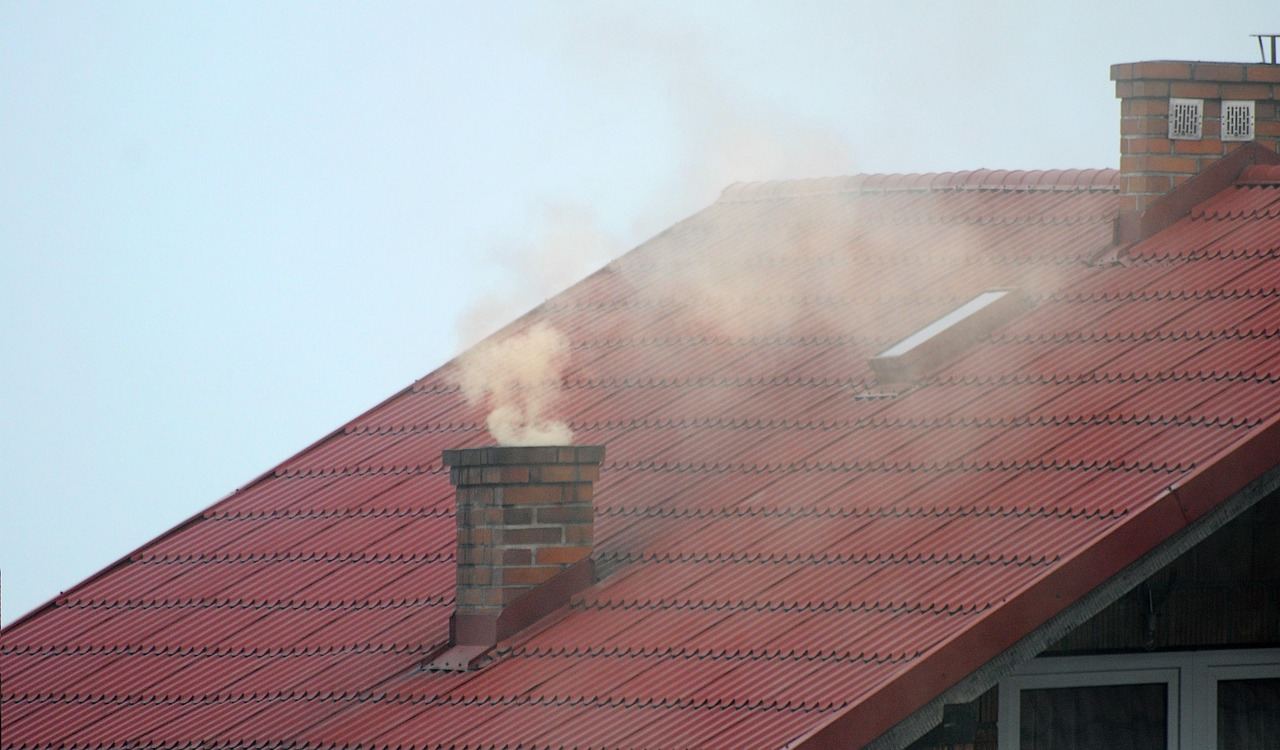
If you use a fireplace or wood stove, make sure a strong draft pulls smoke up the chimney. Harvard advises keeping the flue open for 12 hours after the fire is out, so particulates and carbon monoxide do not enter the home.
Smoking indoors is the same problem on a larger scale. Lighting up on the porch is not a guaranteed fix either, because Harvard notes that smoke can infiltrate back inside the home.
A routine you can keep
A steady rhythm beats an occasional marathon clean. Using the frequencies from MyHealth Alberta and the technique advice above, a workable plan looks like this:
- Daily: damp-mop hard floors.
- Once or twice a week: HEPA vacuum carpets and upholstery, then damp dust hard surfaces.
- Weekly: wash sheets, pillowcases, and mattress covers in hot water.
- Whenever the bin is half full: empty the vacuum canister or bag.
Dust control will not tell you about other hidden hazards in your home, so it is worth reading about how to test for radon as well.
Frequently asked questions
Is a HEPA vacuum worth it for dust?
Show answer
For most homes, yes. A genuine HEPA filter keeps fine particles inside the machine instead of puffing them back out, provided it is fitted correctly and the label says HEPA rather than HEPA-type. Sources: Minnesota Department of Health and the American Lung Association.
Do I have to rip out all my carpet?
Show answer
Not necessarily. Bedrooms are the priority; elsewhere, rugs that fit in a washing machine and an occasional steam clean go a long way, as MyHealth Alberta outlines.
Why does the room look dustier right after I clean?
Show answer
Moving a cloth or vacuum disturbs particles that were resting on surfaces, so they hang in the air for a while before landing again. A damp cloth traps more than a dry swipe, and a mask protects you in the meantime, according to MyHealth Alberta and the Minnesota Department of Health.
Do anti-mite sprays work?
Show answer
Chemicals called ascaricides exist, but many experts consider them not worth the trouble and expense, per MyHealth Alberta. Hot washing, covers, and drier air are the better-supported moves.