Wondering what is in the air you breathe every day? Air pollution is any chemical, physical or biological agent that alters the atmosphere, and WHO says almost everyone breathes air above its guideline limits.
| Item | Value |
|---|---|
| Share of the global population breathing air above WHO guideline limits | 99% of people |
| Premature deaths linked to ambient plus household air pollution | 7 million per year |
| People exposed to dangerous levels of household air pollution | around 2.1 billion people |
| Deaths attributed to ambient air pollution | 4.2 million per year |
| Diameter range of coarse particles | between 2.5 µm and 10 µm |
These figures come from WHO’s air pollution health topic page and its types of pollutants page. Estimates get revised, so check the sources before you rely on them.
What air pollution actually is
WHO describes air pollution as contamination of the indoor or outdoor environment by any chemical, physical or biological agent that modifies the natural characteristics of the atmosphere (WHO health topic page). In everyday terms, that covers smoke from a cooking fire, exhaust from traffic and dust lifted off dry ground.
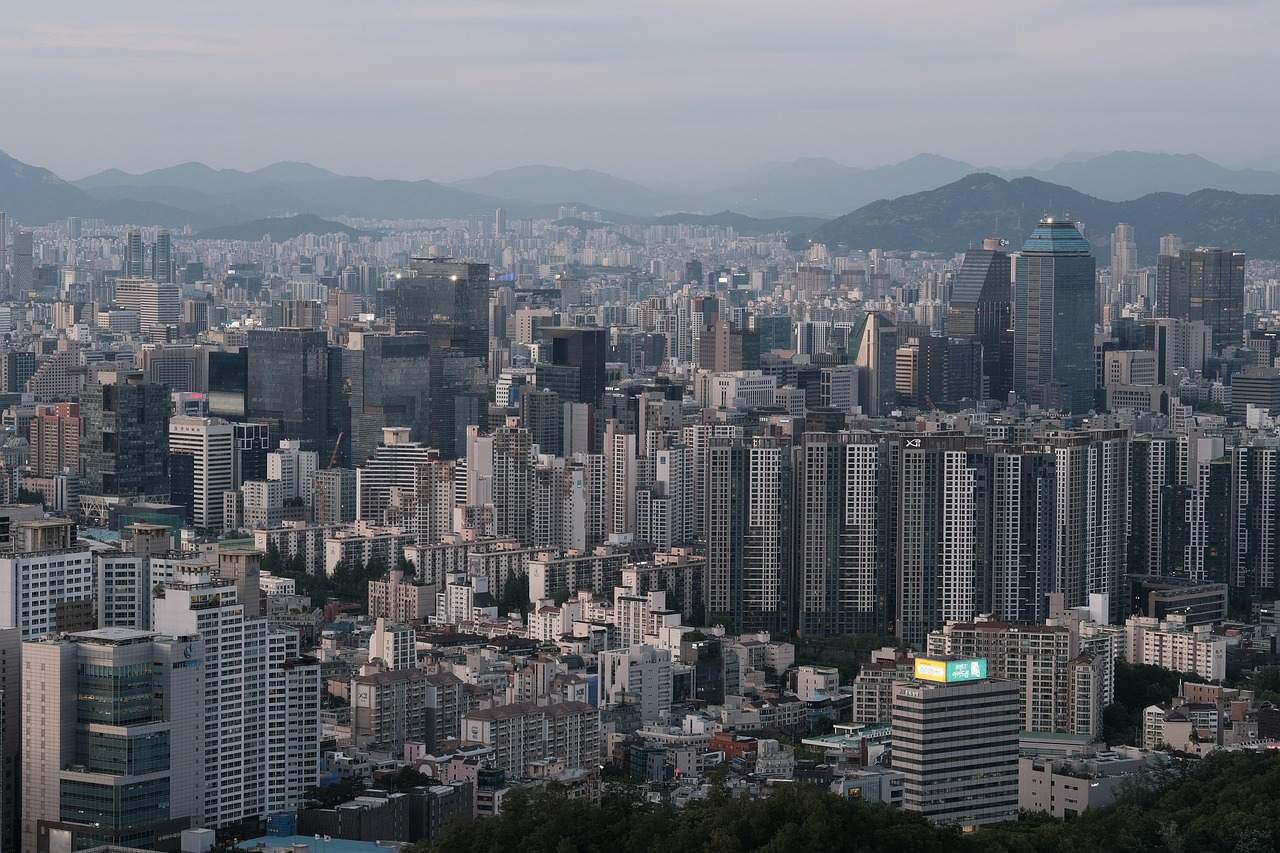
The problem is close to universal. WHO data show that 99% of the global population breathes air that exceeds WHO guideline limits, with low- and middle-income countries suffering the highest exposures (WHO health topic page). Polluted air is not limited to a few industrial districts: WHO notes that outdoor pollution affects both cities and rural areas.
It helps to split the topic in two. Ambient pollution is the outdoor kind, and household pollution is the indoor kind, though WHO says both can come from similar processes such as incomplete combustion of fuels or chemical reactions between gases (WHO types of pollutants page). What differs is the source: cooking with dirty technologies and lighting with kerosene pollute indoors, while high-temperature combustion in vehicles, industries and power plants feeds outdoor air.
Main sources of air pollution
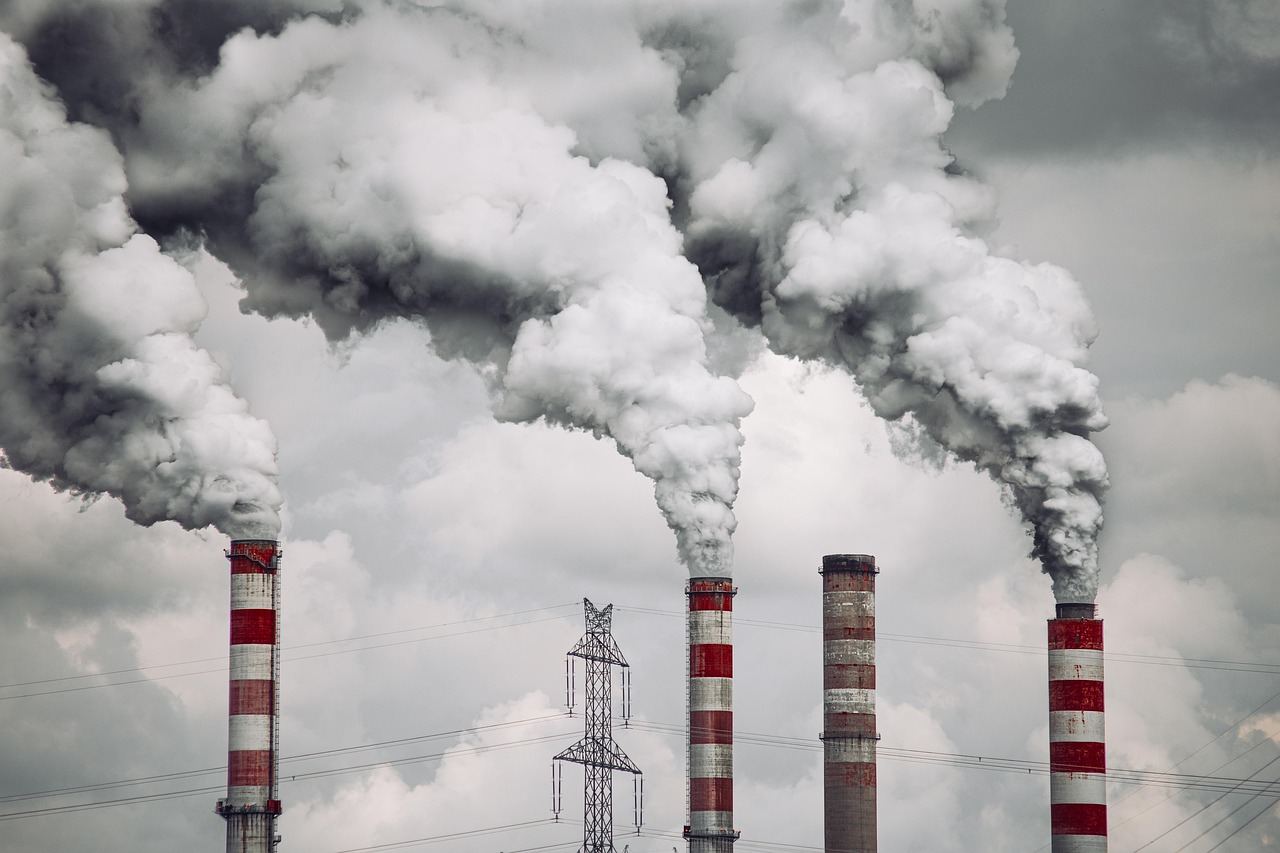
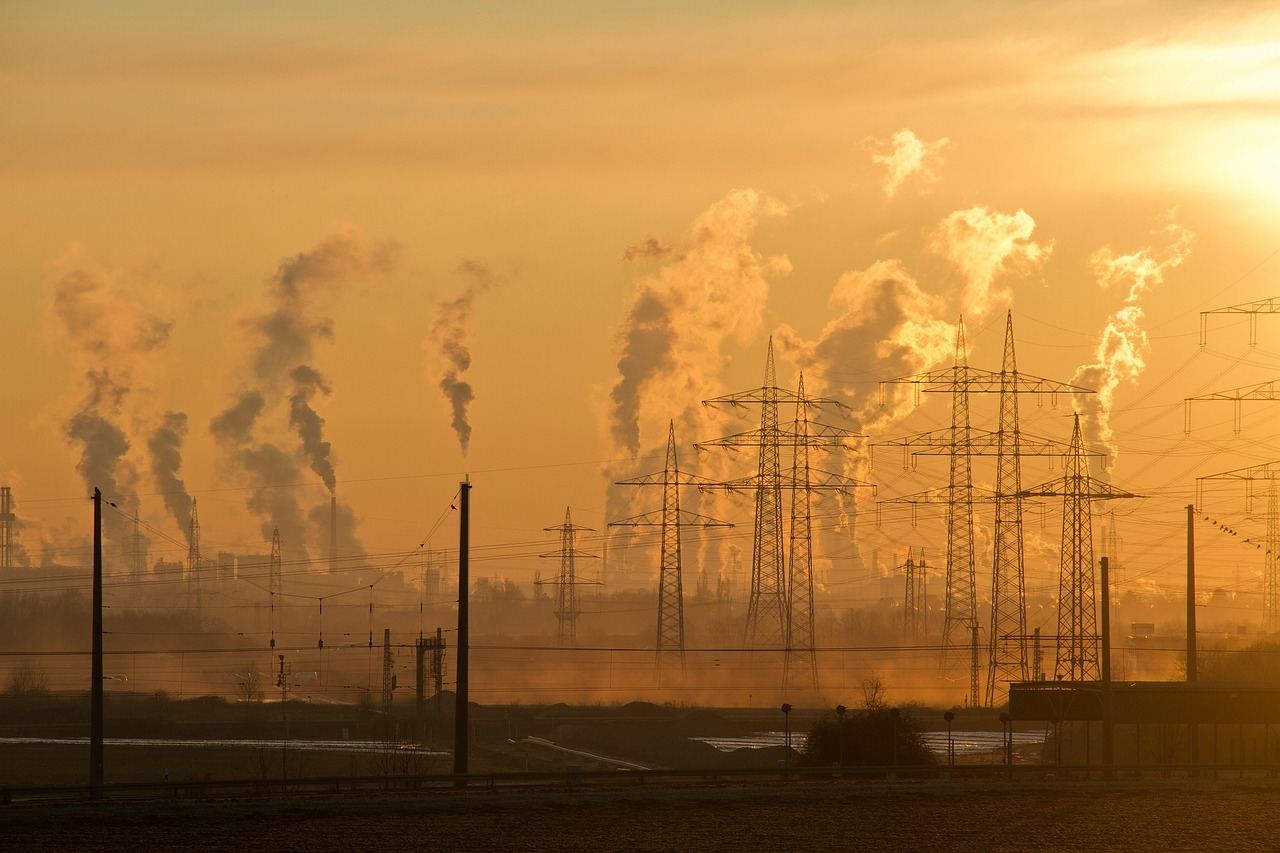
WHO lists household combustion devices, motor vehicles, industrial facilities and forest fires as common sources of air pollution (WHO health topic page). Which one dominates depends on where you live.
For outdoor air, WHO names these major sources:
- Residential energy for cooking and heating
- Vehicles
- Power generation
- Agriculture and waste incineration
- Industry
Because the mix varies so much from place to place, a fuller look at the causes of air pollution is the natural next step if you want local detail.
Not every particle is man-made. Coarse particles mainly consist of pollen, sea spray and wind-blown dust from erosion, agricultural spaces, roadways and mining operations (WHO types of pollutants page). Fires on the landscape add smoke on top of that.
Indoors, WHO Europe points to chemicals released from furniture, building materials and consumer products, tobacco smoke and emissions from household fuel combustion (WHO Europe). Our hub on indoor air quality goes deeper into what builds up inside homes and how to control it.
The main pollutants and what each one does
WHO says the pollutants of major public health concern are particulate matter, carbon monoxide, ozone, nitrogen dioxide and sulfur dioxide (WHO health topic page). Three of them, covered below, are the ones you will see most often in air quality reports.
Particulate matter
Particulate matter (PM) is made of inhalable particles, and WHO says the sizes most used in regulation and most relevant for health are PM2.5 and PM10 (WHO Europe). Coarse particles sit between 2.5 µm and 10 µm in diameter, while the finer ones can be emitted directly from combustion or form later from chemical reactions between gases (WHO types of pollutants page).
Size matters because small particles travel deep. WHO states that PM can penetrate deep into the lung and enter the bloodstream, causing cardiovascular, cerebrovascular and respiratory impacts, and that the International Agency for Research on Cancer classified it as a cause of lung cancer in 2013 (WHO types of pollutants page). If the term is still unfamiliar, the explainer on what is pm2.5 covers the basics.
Nitrogen dioxide
Outdoors, nitrogen dioxide comes from high-temperature burning of fuels for heating, transport, industry and power generation. Indoors, WHO lists furnaces, fireplaces and gas stoves and ovens as household sources of nitrogen oxides (WHO types of pollutants page). Exposure can irritate airways and aggravate respiratory disease.
Ozone
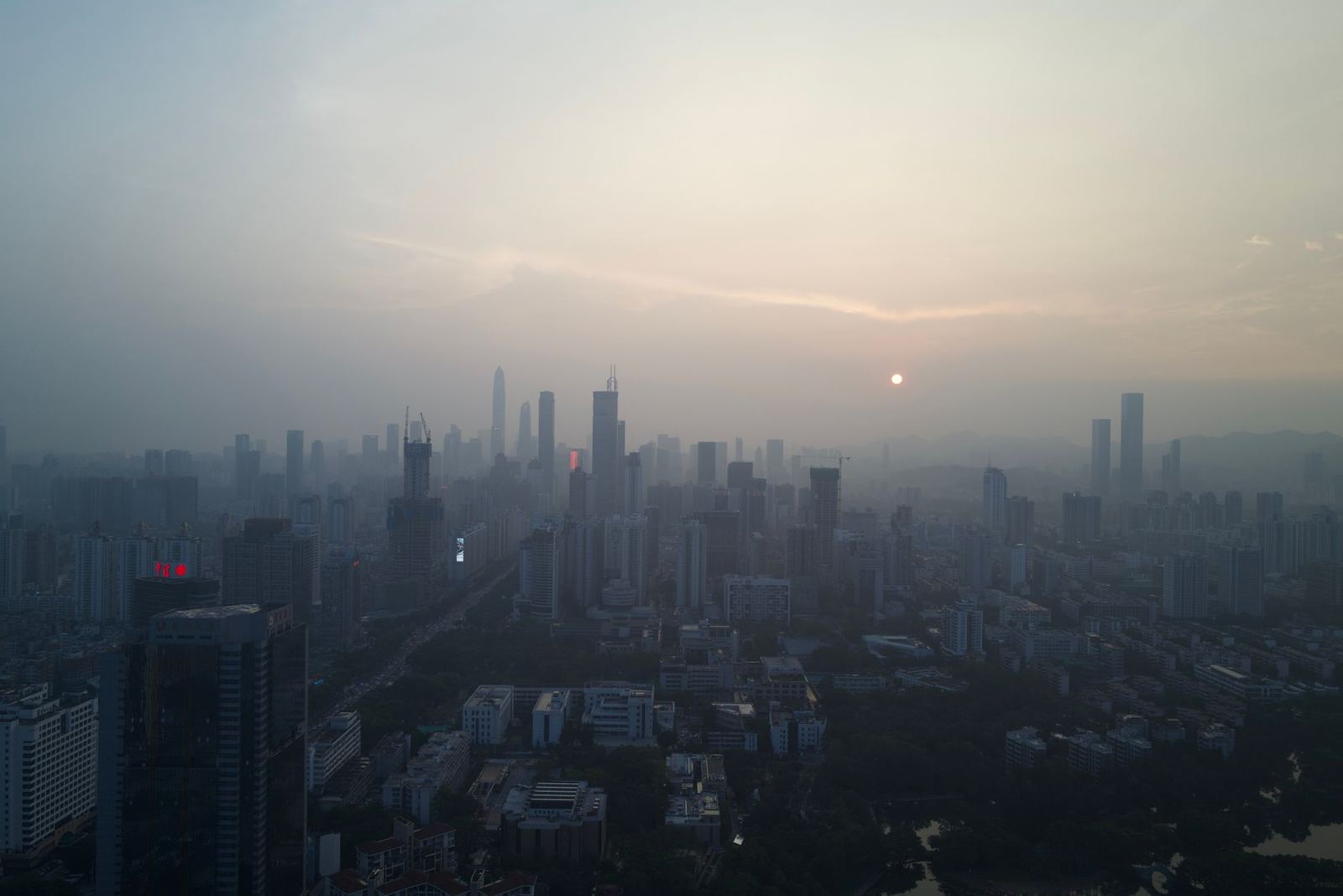
Ground-level ozone is a major component of smog. It forms through photochemical reactions involving volatile organic compounds, carbon monoxide and nitrogen oxides emitted from vehicles and industry, so the highest levels appear in sunny weather (WHO types of pollutants page).
Two internal guides unpack this further. Read about ground level ozone for how it differs from the ozone layer, and see what is smog for how it shows up over cities.
One detail surprises people: WHO notes that ozone can also be generated by household equipment, such as portable air cleaners (WHO types of pollutants page). That is a reason to read the specifications of any device you bring home.
How air pollution affects your health
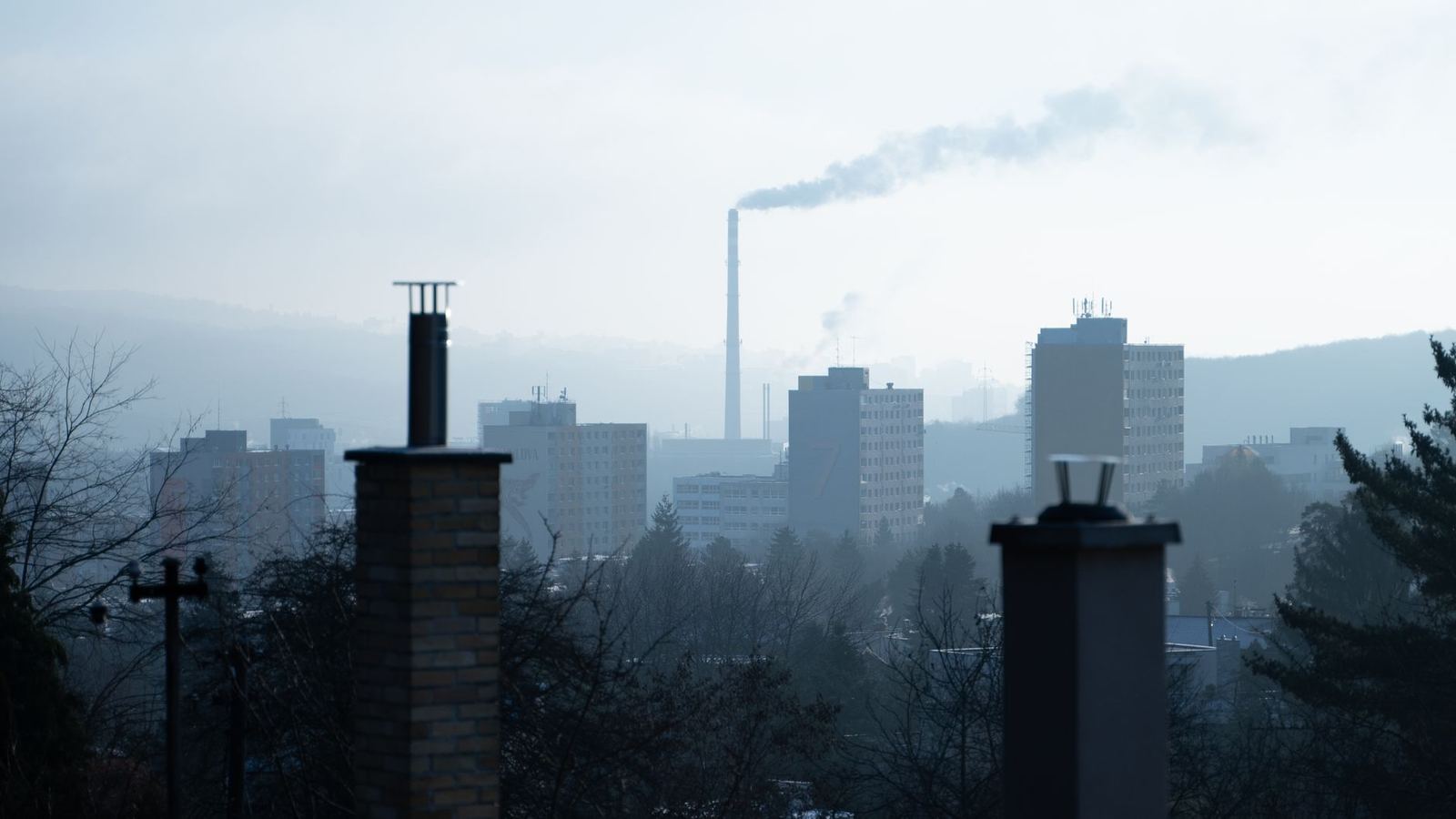
WHO links exposure to polluted air with the development and worsening of respiratory and cardiovascular diseases, such as asthma, ischaemic heart disease and stroke, as well as lung cancer (WHO Europe). The full picture is laid out in our guide to the health effects of air pollution.
The list of outcomes tied to dirty air keeps growing. WHO Europe says air pollution has also been linked to:
- Adverse perinatal outcomes
- Diabetes
- Neurological disorders
Both short-term and long-term exposure matter. WHO says health problems can occur after either, and that for some pollutants no threshold below which adverse effects do not occur has been identified (WHO types of pollutants page).
Not everyone is affected equally. Children, older people and those with pre-existing health conditions are particularly at risk (WHO Europe).
Who is most exposed, and how big is the problem?
WHO associates the combined effects of ambient and household air pollution with 7 million premature deaths annually (WHO health topic page). Its types of pollutants page splits the burden into 4.2 million deaths attributed to ambient pollution and 3.2 million premature deaths from household pollution each year (WHO types of pollutants page).
Household exposure follows cooking and heating habits. One WHO page says around 2.1 billion people face dangerous household levels while using open fires or simple stoves fuelled by kerosene, biomass or coal (WHO health topic page). Another puts the number of people cooking and heating with polluting fuels at around 2.4 billion, so treat both as rounded estimates rather than exact counts (WHO types of pollutants page).
Regional data give a sense of scale. WHO describes air pollution as the leading environmental risk factor in its European Region, and the table below shows the 2019 figures it reports.
| Item (WHO European Region) | Value |
|---|---|
| Premature deaths attributed to ambient air pollution, 2019 | about 569 000 premature deaths |
| Premature deaths attributed to household air pollution, 2019 | 154 000 premature deaths |
| Population exposed to PM2.5 above WHO guideline levels, 2019 | 97% of the population |
| Average life expectancy lost to particulate matter exposure | almost 1 year |
The figures above are from WHO Europe’s air quality page; they describe 2019 data and may be updated, so check the source before you rely on them.
What reduces air pollution, and what you can do
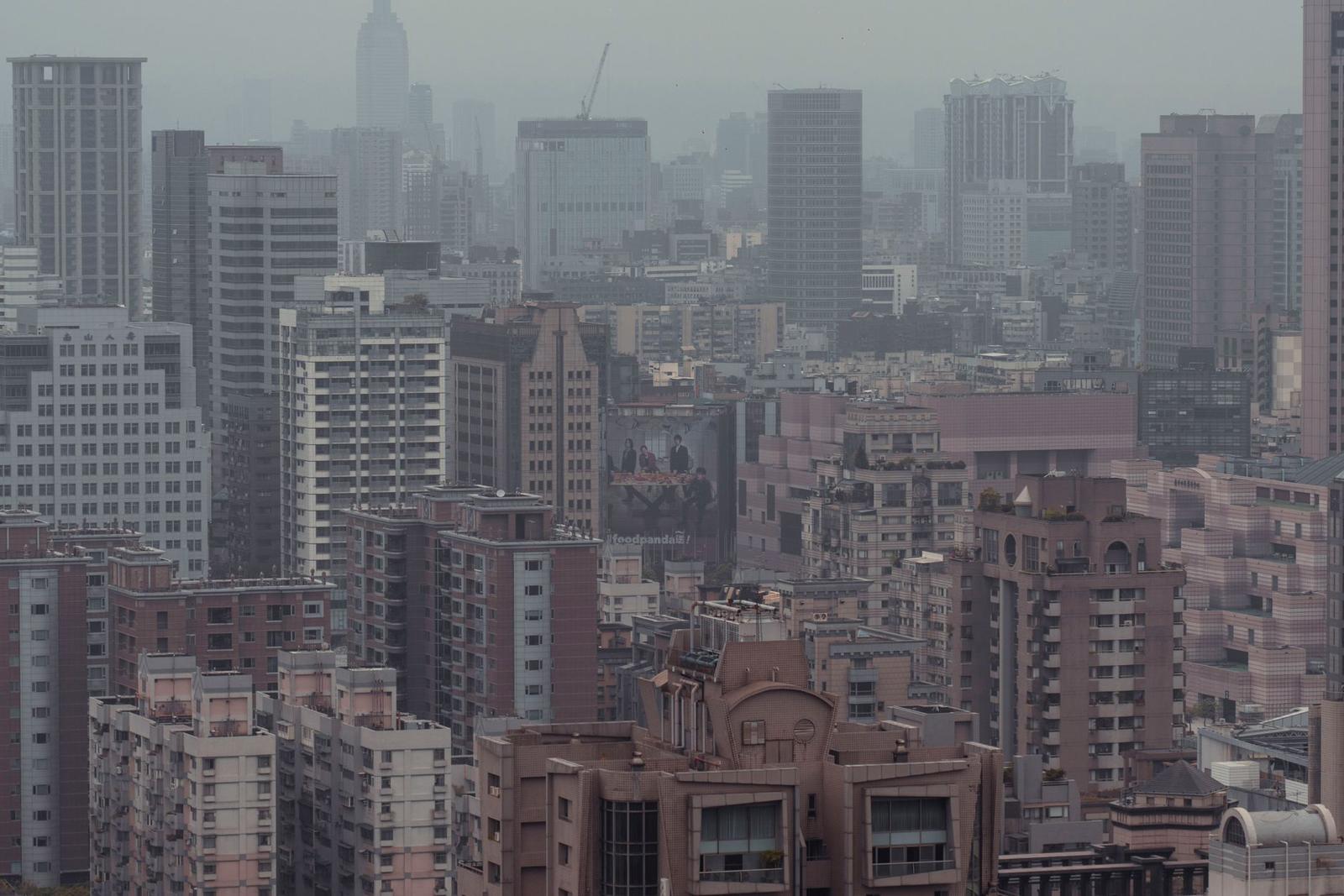
WHO says policies and investments in sustainable land use, cleaner household energy and transport, energy-efficient housing, power generation, industry and better municipal waste management can effectively reduce key sources of outdoor pollution (WHO health topic page). Because exposure is largely beyond individuals’ control, WHO Europe stresses that public authorities must act at local, national, regional and international levels (WHO Europe).
Past action shows results. Phasing out leaded petrol eliminated lead from vehicle emissions, which decreased exposure in children, and cities restricting traffic emissions have seen observable health benefits where schemes were assessed (WHO Europe). Cutting fossil fuel combustion also helps the climate, since it is a shared driver of both problems.
As an individual, you can still shape your own exposure. These steps follow from the WHO material above:
- Look up today’s outdoor conditions, and this guide on how to check air quality near me shows where to find them.
- Learn to read the index, because the explainer on what is air quality index shows how daily readings are scaled.
- Limit combustion indoors, since WHO calls burning polluting fuels in open hearths or poorly vented stoves the usual biggest source of particulate matter at home.
- Check device specifications before buying a portable cleaner, and use the hub on air purifiers to compare published specs and certifications rather than marketing claims.
Frequently asked questions
Can air pollution come from natural sources?
Show answer
Yes. Pollen, sea spray and wind-blown dust all count, and forest fires are among the common sources WHO names. Natural and human sources often mix in the same air.
Is there a level of exposure that is completely safe?
Show answer
For some pollutants, WHO says no threshold has been found below which harm stops occurring (WHO types of pollutants page). Lower exposure is still better than higher exposure.
Does air pollution affect the climate too?
Show answer
It does. WHO Europe notes that some pollutants, such as ozone and black carbon, have climate-warming potential, and that many drivers of pollution also emit greenhouse gases (WHO Europe).
Does everyday cooking at home count?
Show answer
It can. Gas stoves and ovens release nitrogen oxides, and burning wood, dung, crop waste, coal or kerosene fills a home with particles. WHO treats this as household air pollution.
Why do the numbers differ between sources?
Show answer
Estimates rest on modelling, and WHO pages round differently or describe different years. Always read the date and region attached to a figure before comparing it with another.