Wondering how to improve indoor air quality without buying gadgets you don’t need? Start by removing pollution sources, then ventilate, and add filtration last. That order matches EPA’s three strategies.
This guide is part of our wider look at indoor air quality, with practical steps you can take at home.
| Item | Value |
|---|---|
| Share of time spent indoors | About 90% of the time |
| Basic strategies for cleaner indoor air | Three: source control, ventilation, air cleaners/filtration |
| Usually the most effective strategy | Source control |
| Air cleaner performance depends on | Percentage efficiency and cubic feet per minute |
| Pollutants air cleaners are generally not designed to remove | Gaseous pollutants |
These figures come from EPA’s indoor air quality overview and EPA’s guidance on improving indoor air quality. Agency guidance can change, so check the source before you rely on them.
Start with source control
EPA says source control is usually the most effective way to improve indoor air quality: eliminate individual sources of pollution or reduce their emissions. It is also often cheaper than ventilating more, because extra ventilation can raise your energy costs. EPA’s improving indoor air quality page lays this out.
The logic is simple. Sources that release gases or particles into the air are the primary cause of indoor air problems, and those sources can leave your indoor air worse than the air outside, according to EPA’s indoor air quality overview.
Walk through your home and ask what is releasing something into the air. These are the usual first moves:
- Remove what you can. If a product or habit is adding pollutants, eliminating it beats trying to clean up after it.
- Adjust what you can’t remove. EPA notes that gas stoves can be adjusted to decrease emissions, and materials containing asbestos can be sealed or enclosed.
- Fix moisture first. For mold, EPA’s advice is to fix the moisture problem that allows it to grow before anything else.
- Look at tobacco, vape products and cleaning products. EPA lists all three, along with mold from leaks and high humidity, as potential indoor pollution sources.
If your kitchen is the main worry, our explainer on gas stove indoor air pollution goes deeper into what cooking adds to the air.
Ventilate with outdoor air
Most home heating and cooling systems, including forced air heating, do not mechanically bring fresh air into the house, per EPA’s guidance. That leaves you relying on windows, doors and infiltration, the leakage through cracks and joints that happens in every home to some extent.
Bringing in outdoor air dilutes pollutants that come from indoor sources. These habits help:
- Open windows and doors, or run window or attic fans, when the weather permits.
- Run a window air conditioner with its vent control open.
- Use bathroom and kitchen fans that exhaust outdoors, since they remove contaminants directly from the room where they run.
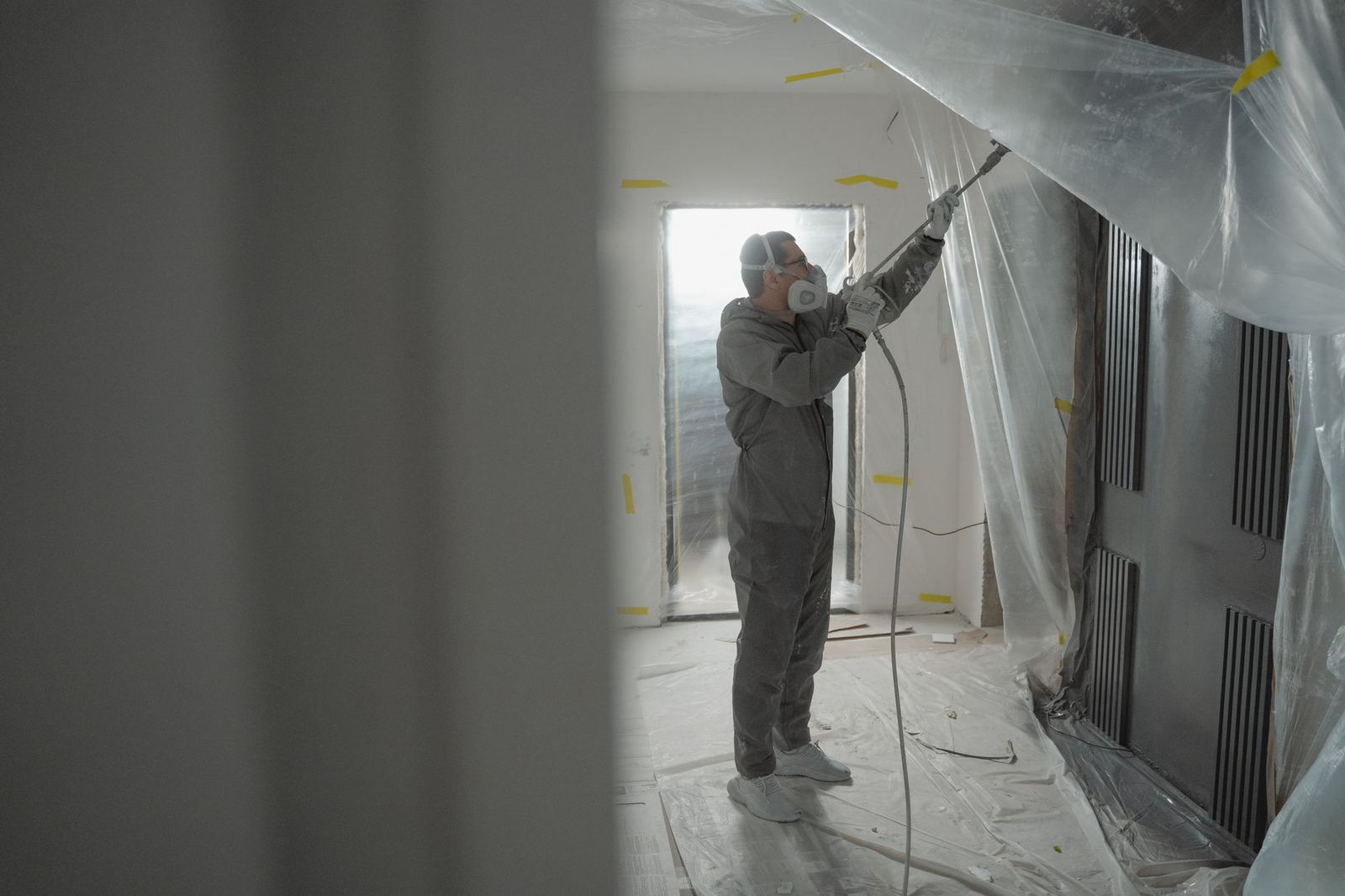
- Do extra ventilating during painting, paint stripping, kerosene heater use, cooking, welding, soldering or sanding, or move those jobs outside if the weather allows.
- If you are building or renovating, ask about a heat recovery ventilator, also called an air-to-air heat exchanger, which can soften the heating and cooling cost of fresh air.
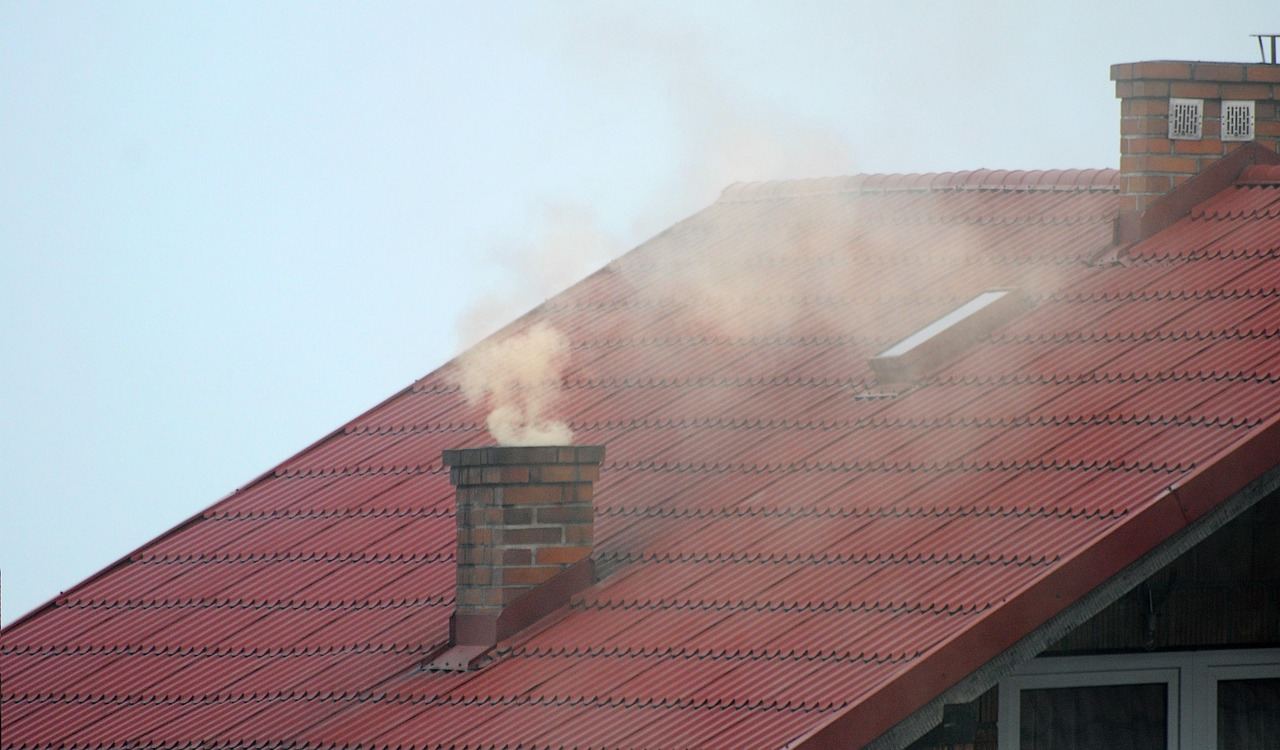
Ventilation is not always the right call. EPA advises weighing it carefully when outdoor sources such as smoke or refuse are nearby, because you could pull the problem inside.
Where do air cleaners and filters fit?
EPA’s research summary says filtration can be an effective supplement to source control and ventilation, not a replacement for them. You can use a portable air cleaner, upgrade the filter in your furnace or central HVAC system, or do both, as described on EPA’s air cleaners and air filters page.
The two options cover different ground. Portable units filter the air in a single room or area, while central furnace or HVAC filters are designed to filter air throughout a home.
How well a unit works depends on two things working together: how well it collects pollutants (a percentage efficiency rate) and how much air it moves (cubic feet per minute). A very efficient collector with low airflow falls short, and so does a fast fan paired with a weak collector, according to EPA.
Keep these limits in mind before you buy:
- Air cleaners are generally not designed to remove gaseous pollutants.
- Table-top models may not remove satisfactory amounts of pollutants from strong nearby sources.
- Portable cleaners and HVAC filters can reduce indoor air pollution, but they cannot remove all pollutants.
- Long-term performance depends on maintaining the unit according to the manufacturer’s directions.
- EPA’s guidance does not recommend using air cleaners to reduce radon and its decay products.
A sensible order of operations
- Identify and cut the sources of pollution you can control.
- Ventilate with outdoor air, especially during high-pollution activities.
- Add a portable air cleaner or upgrade your HVAC filter to supplement those steps.
- Maintain whatever you install the way the manufacturer directs.
Do houseplants clean the air?
Probably not enough to matter. Some laboratory experiments suggested plants can reduce levels of certain chemicals, but EPA’s guidance finds no evidence that a reasonable number of houseplants remove significant quantities of pollutants in homes and offices.
Plants can even add a problem if you overdo the watering. Overly damp soil may promote the growth of microorganisms that can affect allergic individuals.
Alarms and radon testing
Some pollutants can’t be seen or smelled, so detection matters as much as cleanup. The common ones are carbon monoxide, smoke, radon, mold, particulate matter and volatile organic compounds (VOCs), and EPA’s overview says all homes should have carbon monoxide and smoke alarms and be tested for radon.
Health effects can show up quickly or much later. Short-term signs include irritation of the eyes, nose and throat, headaches, dizziness and fatigue, while effects such as respiratory disease may appear only after long or repeated exposure.
If you are trying to work out whether your home has a problem at all, our guide to the signs of poor indoor air quality can help you decide what to check first.
Frequently asked questions
What is the best single step for cleaner indoor air?
Show answer
Dealing with the pollution source itself usually comes out on top. Stopping a pollutant at its origin generally works better than trying to remove it from the air afterward, as EPA’s overview explains.
Will an air purifier remove fumes and odors?
Show answer
Usually not well. Air cleaners are built mainly for particles, and EPA says they are generally not designed to remove gaseous pollutants, so fumes need source control and ventilation instead. See EPA’s guidance for details.
Should I open windows if there is smoke outside?
Show answer
Think twice. When smoke or refuse sits near your home, bringing in outdoor air may add to your indoor pollution rather than dilute it, according to EPA.
Can an air cleaner fix a radon problem?
Show answer
No. EPA’s guidance does not recommend air cleaners for radon, so the safer move is to test your home and follow the agency’s radon resources, which are linked from its indoor air quality overview.
Is a central HVAC filter upgrade worth considering?
Show answer
It can be a useful supplement. EPA says upgrading the furnace or HVAC filter can help improve indoor air quality, and that such filters work on air throughout the home, per its air cleaners page.