
Pollution Basics
9 stories
-

Air Pollution Basics: Sources, Pollutants and Health Effects
Wondering what is in the air you breathe every day? Air pollution is any chemical, physical or biological agent that alters the atmosphere, and WHO says almost everyone breathes air above its guideline limits. These figures come from WHO’s air pollution health topic page and its types of pollutants page. Estimates get revised, so check…
-
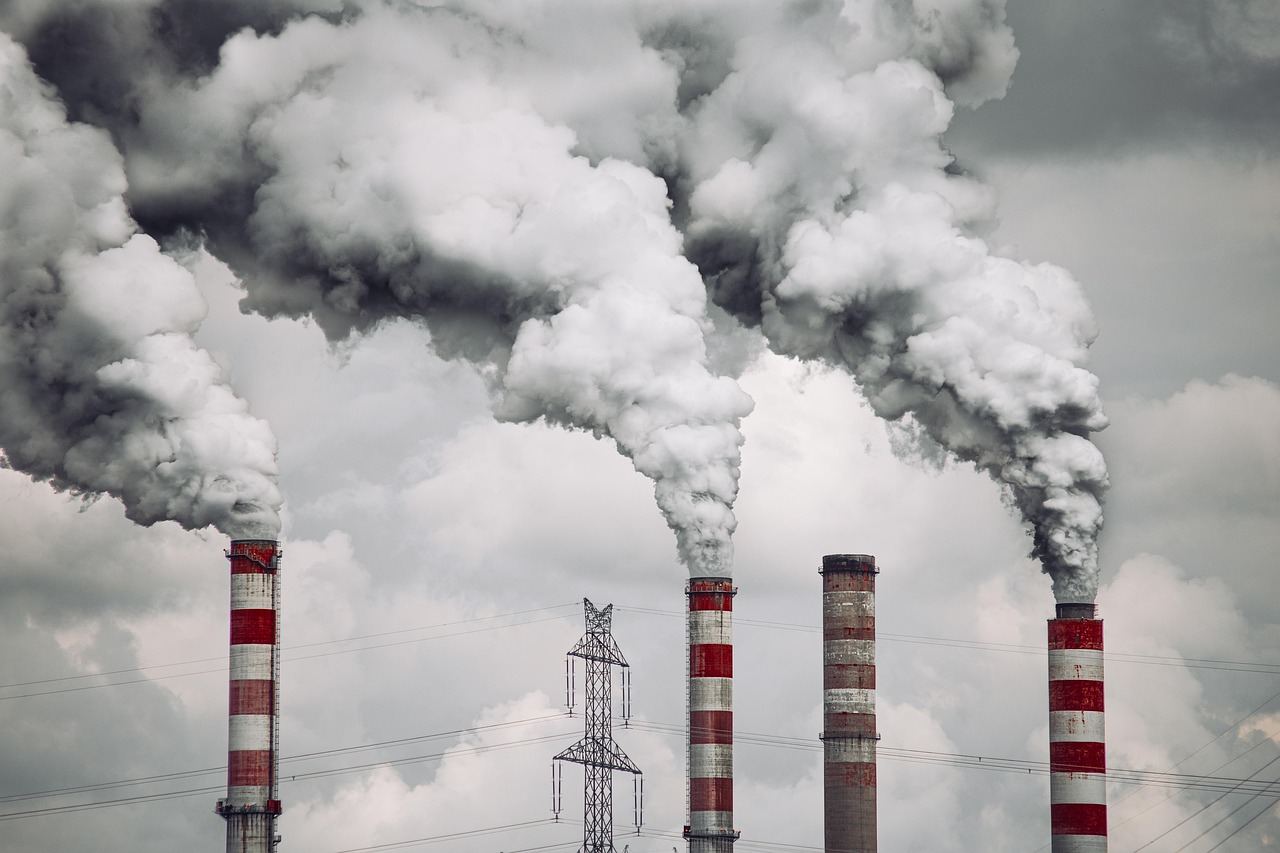
Smog Types, Formation and Where It Hits Hardest
Wondering what is smog and whether the haze outside is harmful to breathe? Smog is air pollution formed from smoke, fog or sunlight-driven reactions, and it can irritate your lungs and heart. Here is how it forms and who it hits hardest. This guide is part of our series on air pollution, which is the…
-
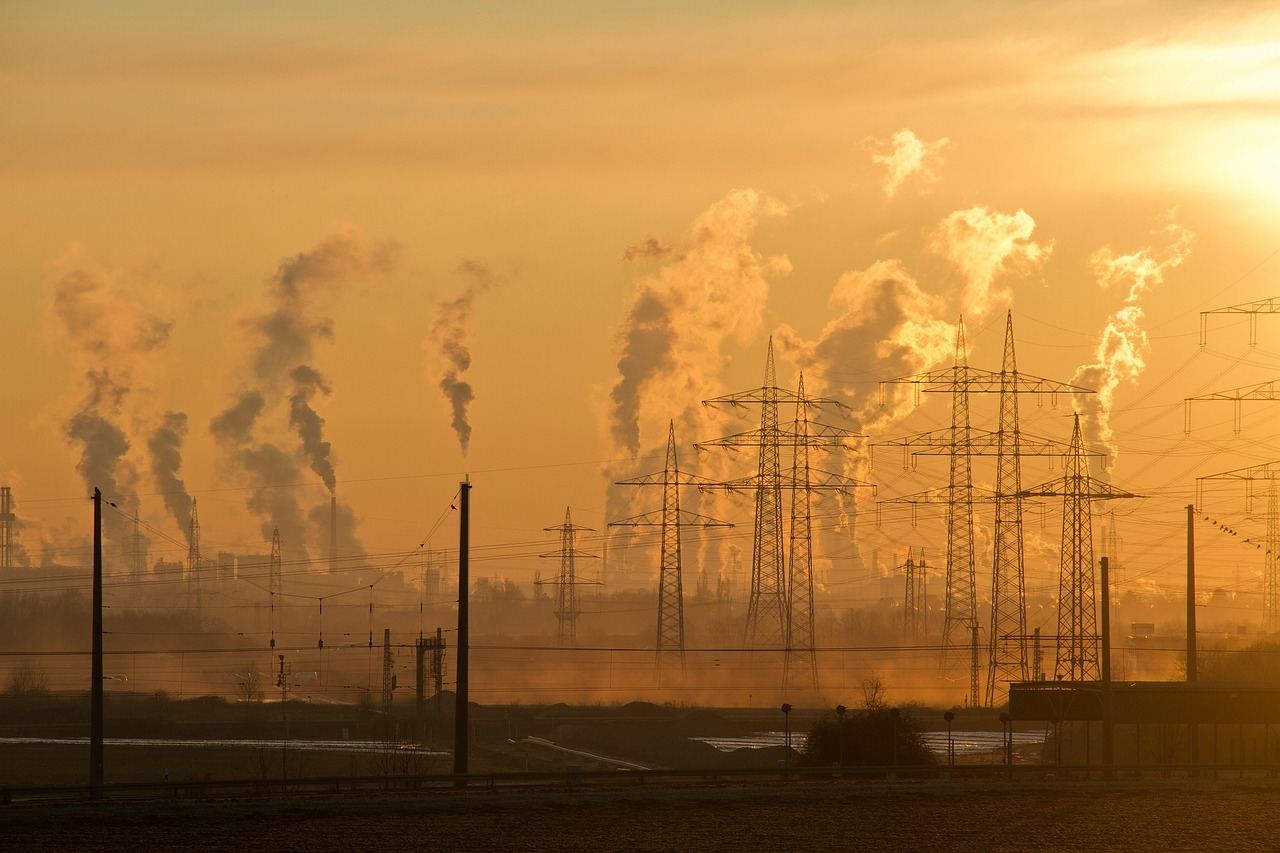
Ground-Level Ozone: How It Forms and Why It Matters
Wondering why the air feels harsh on a hot, sunny afternoon? Ground level ozone is a gas formed when sunlight reacts with vehicle and industrial emissions, and it can trigger health problems. Ground-level ozone is one of the pollutants covered in our guide to air pollution, which is a good place to start if you…
-

How Polluted Air Affects Lungs, Heart and Development
Worried about what the air you breathe is doing to your body? The health effects of air pollution reach your lungs, heart and, in children, brain development. Fine particles and ozone are the best-documented threats. This guide is part of our wider look at air pollution and what it means for everyday life. These figures…
-
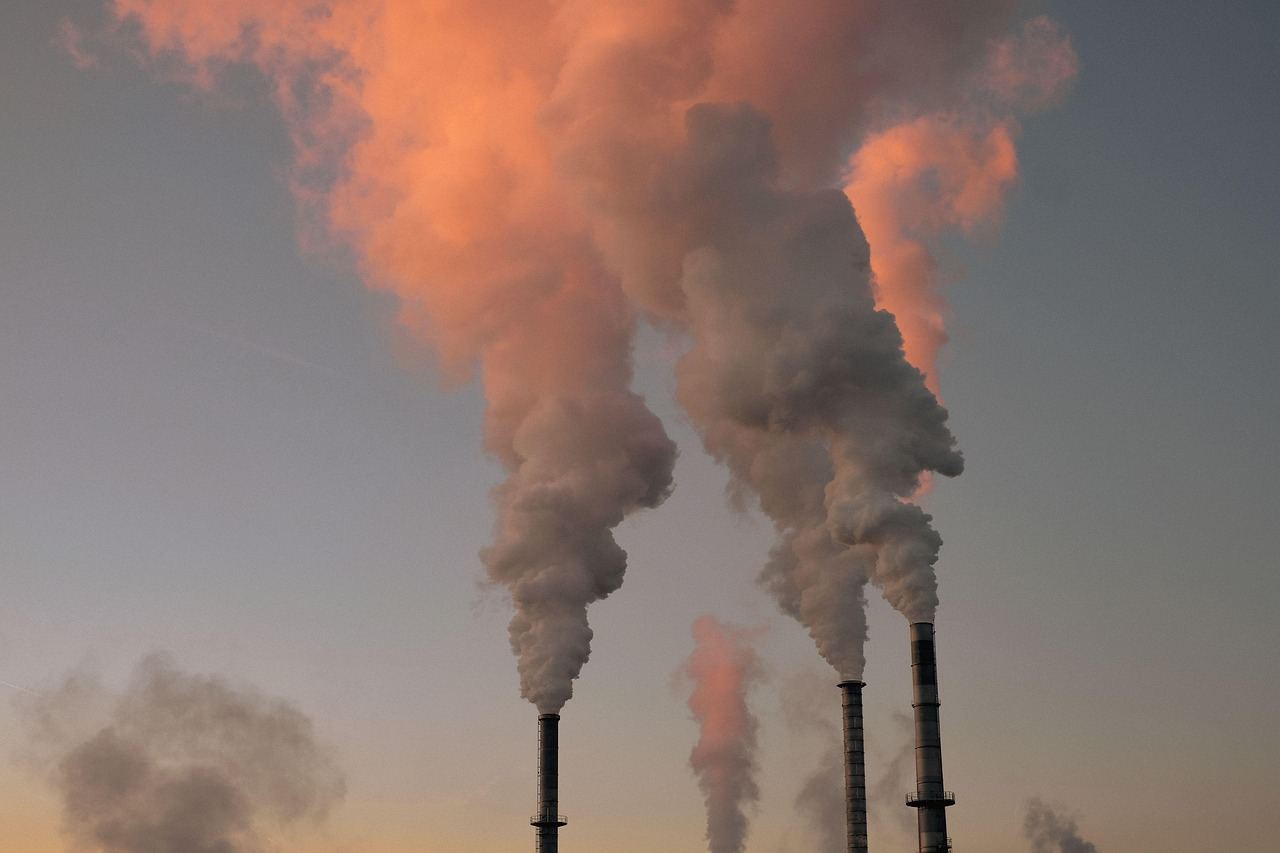
PM2.5 Explained: Tiny Particles, Big Health Impact
You keep seeing PM2.5 on air reports and want to know what is PM2.5 and whether to worry. It is fine particulate matter: tiny airborne particles that, according to the EPA, can harm your heart and blood vessels. This explainer is part of our wider guide to air pollution. These figures come from the WHO…
-
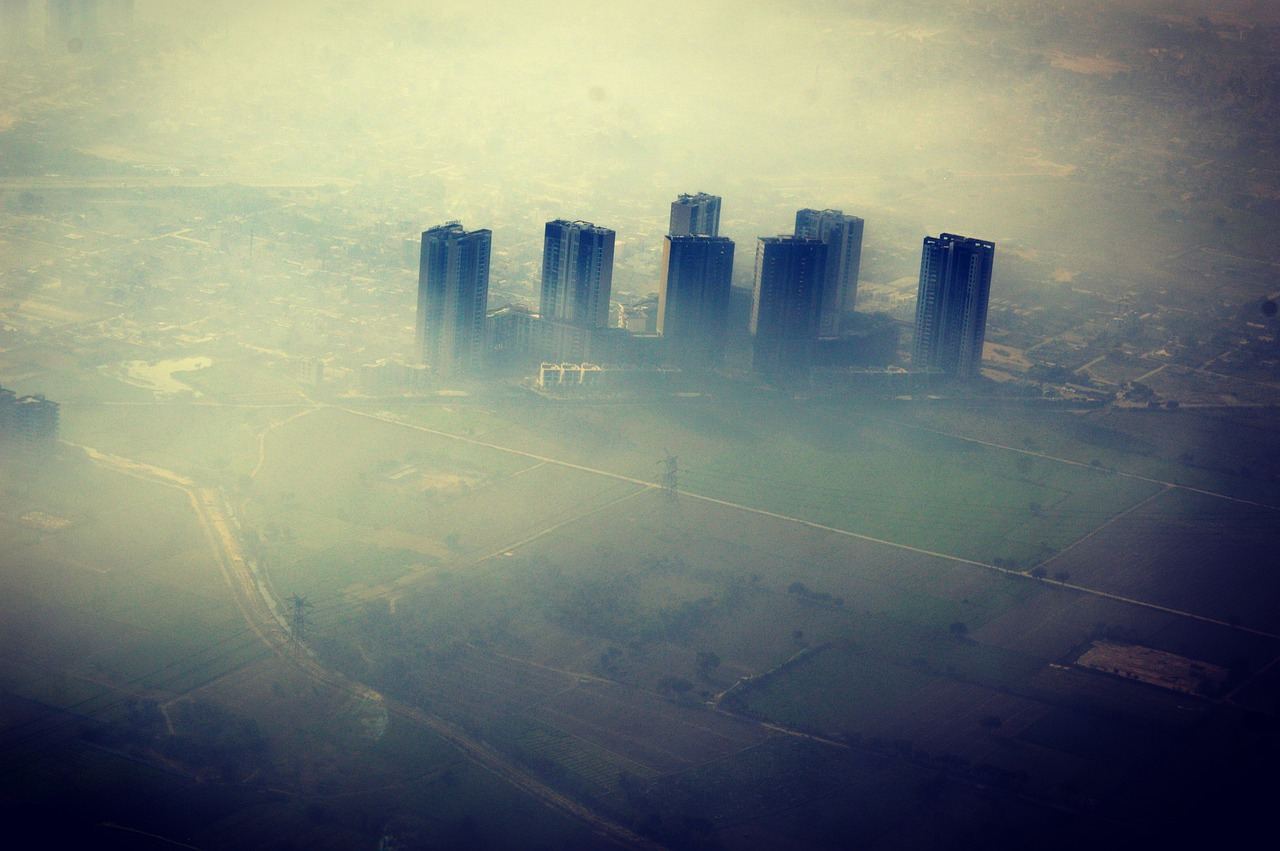
air quality index colors meaning — Pollution Basics
Seeing orange or red on your weather app and wondering if it’s safe to go out? The air quality index colors meaning is simple: green is good, and each step toward maroon means more health risk. This guide is part of our look at air pollution, and it covers how the colored scale works and…
-

The Air Quality Index: Categories, Scale and Use
Wondering what is air quality index, and whether today’s number should worry you? It is the EPA’s color-coded scale for outdoor air: the higher the number, the greater the health concern. This guide is part of our series on air pollution, and it explains how to read the number on a U.S. air quality report.…
-

Checking Local Air Quality: Trusted Sources and Maps
Wondering how to check air quality near me before a run or school drop-off? Open the free AirNow app, enter your location, and read the color-coded AQI: lower is better. Switch to the Fire and Smoke map when the sky turns hazy. This guide is part of our wider coverage of air pollution, and it…
-
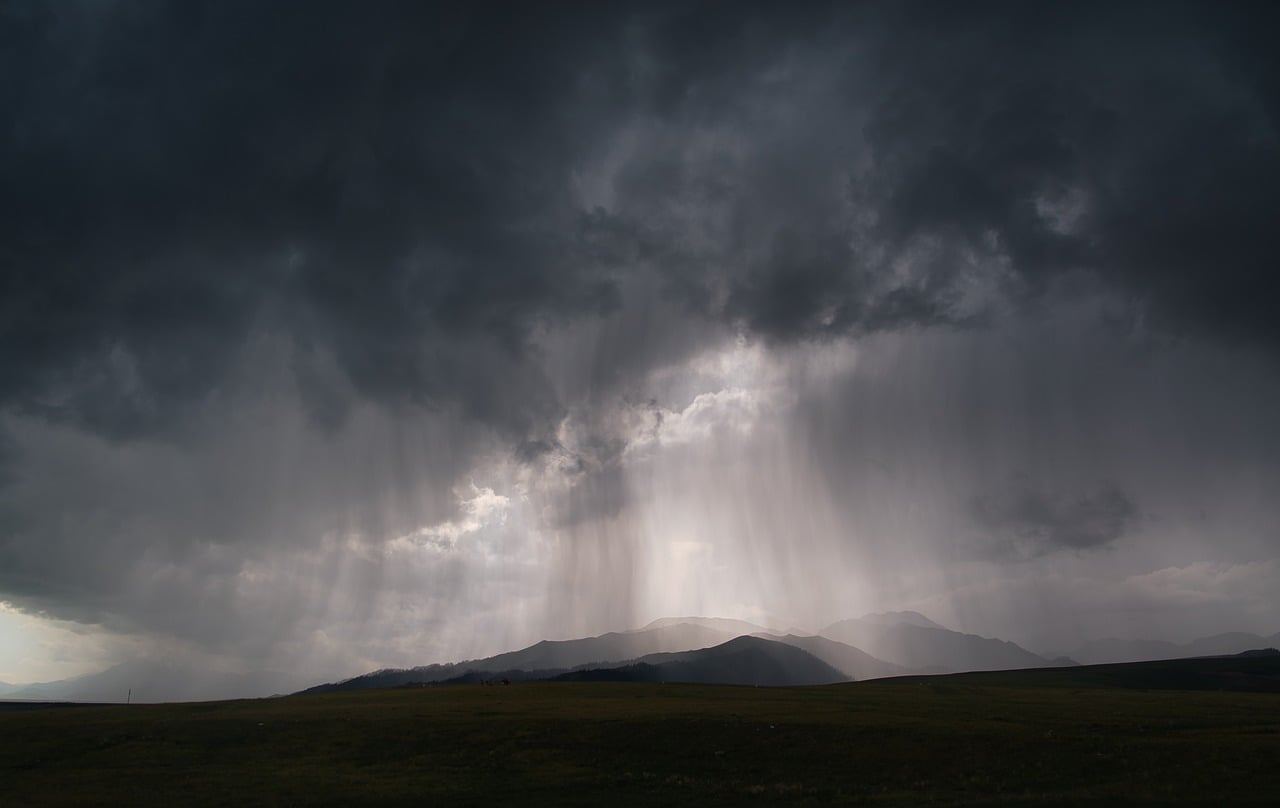
acid rain causes — Pollution Basics
Worried about what’s falling with the rain? Acid rain causes come down to sulfur dioxide and nitrogen oxides, released mostly by burning fossil fuels, which react in the air to form sulfuric and nitric acids. This guide is part of our wider coverage of air pollution, and it focuses on where acid rain comes from…