Seeing damp corners or smelling something musty in your home? How to prevent mold in house comes down to moisture: keep humidity low, fix leaks fast, and dry anything wet within a day or two.
This guide is one part of our wider look at indoor air quality, focused on keeping moisture, and so mold, under control at home.
| Item | Value |
|---|---|
| Indoor relative humidity to stay under | Below 60% |
| Ideal indoor relative humidity range | 30-50% |
| Time window to dry wet materials | 24-48 hours |
| Gutter drainage distance from the foundation | At least 5 feet |
These figures come from EPA’s Interactive Mold House Tour and its Ten Things You Should Know About Mold page. Guidance can change, so check the source before you rely on the figures.
Why moisture, not mold itself, is what you manage
Mold is not a visitor you can evict for good. EPA states there is no practical way to eliminate all mold and mold spores indoors, so the route to control is moisture, as its Ten Things You Should Know About Mold page explains.
Mold can grow on virtually any organic material when moisture and oxygen are present, including wood, paper, carpet and insulation, according to EPA’s mold course. Because it digests what it grows on, it can damage a building and its furnishings.
Health is the other reason to act early. EPA lists allergic reactions, asthma and other respiratory complaints among the potential effects of mold exposure, in its mold overview.
Newer homes bring a twist. EPA’s course material links some moisture problems to construction changes since the 1970s. A tight, energy efficient house holds more moisture inside, so EPA suggests running a kitchen or bath fan at times or opening a window briefly.
Keep indoor humidity in a safe range
The easiest target is a number. EPA’s mold house tour advises keeping indoor humidity below 60%, ideally between 30-50%. Lower humidity may also discourage pests such as cockroaches and dust mites, per the mold course.
You cannot manage what you cannot read, so get a humidity gauge. EPA’s mold course says models that track both temperature and humidity are generally available for less than $50. If you want to track more than humidity, see our guide to an indoor air quality monitor.
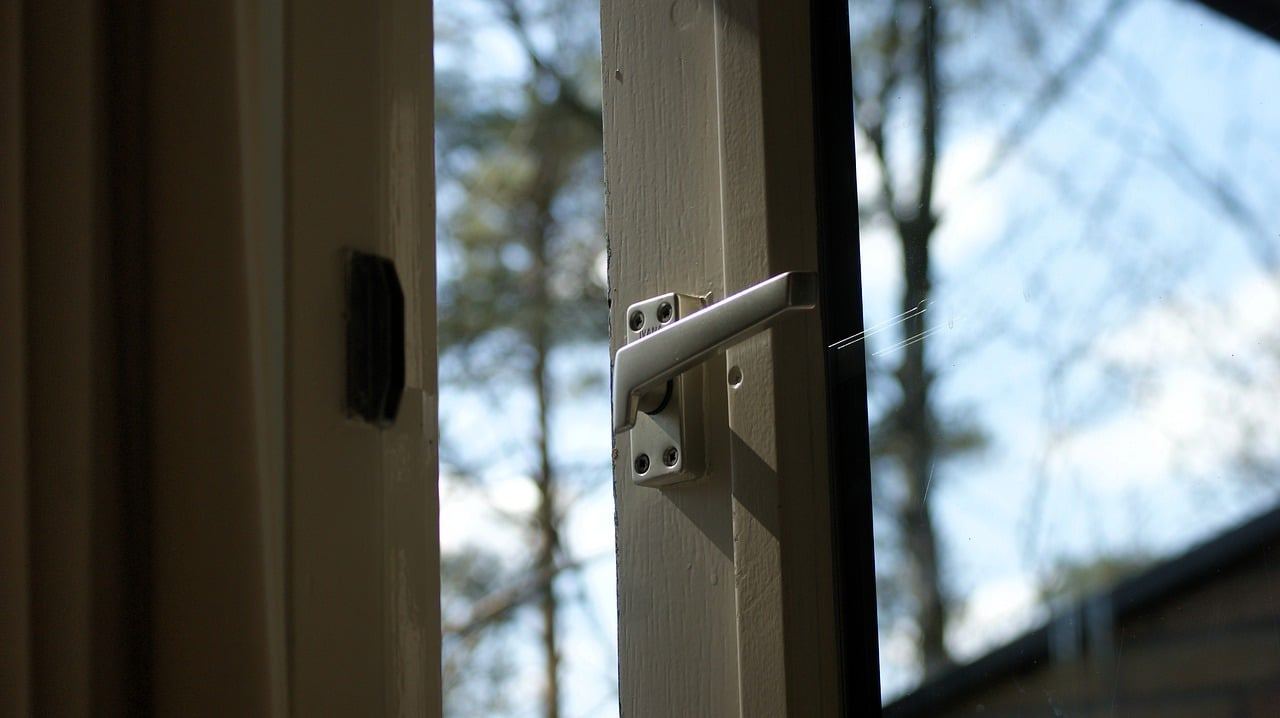
Your windows act as an early-warning system. As temperature drops, air holds less moisture, so water condenses on cold surfaces, as EPA describes. Condensation on windows can signal high indoor humidity that deserves investigation, notes the mold house tour.
Everyday habits add moisture too. EPA names these common sources:
- Long showers and running water for other uses
- Boiling or steaming in cooking
- Houseplants
- Drying clothes indoors
- Overuse of a humidifier
If excessive moisture collects on windows and other cold surfaces, EPA says your humidistat is set too high. Turning off humidifiers when you notice that moisture is a sensible first move. ASHRAE also publishes maximum indoor humidity levels that drop as the outdoor temperature falls, so winter settings should be lower than summer ones.
Room-by-room moisture fixes
Bathrooms
Showers produce the biggest burst of steam in most homes. EPA’s house tour says to run the exhaust fan or open the window while showering. Make sure the fan vents to the outside rather than into the attic, as EPA advises.
Kitchens and laundry areas
Cooking and washing dishes raise humidity, so use the stove’s exhaust hood to pull moisture out of the kitchen, and vent it outdoors, according to the mold house tour. The same source says clothes dryers must also be vented outdoors.
Check under the sink, too. Leaking pipes there can lead to mold in walls or cabinets, and EPA recommends having a plumber or other qualified professional repair them.
Bedrooms, closets and living areas
Humid rooms can grow mold on furnishings and clothing, which makes closets a common trouble spot. The EPA mold course notes that mold often turns up on walls in cold corners behind furniture, where condensation forms.
Small layout changes help:
- Move furniture away from wall corners so air and heat can circulate.
- Open doors between rooms, especially closet doors, since closets can be colder than the rooms.
- Use area rugs you can lift and wash instead of wall-to-wall carpet on concrete floors.
Each of these tips appears in EPA’s moisture-control guidance, which warns that carpet can absorb moisture and become a place for biological pollutants to grow.
Basements and crawl spaces
If a room such as a basement is too humid, EPA’s house tour says a dehumidifier can help prevent mold growth. For crawl spaces, EPA recommends a plastic cover over bare dirt to block ground moisture, and good ventilation, in its moisture-control page.
Stop water at the outside of your home
Many indoor moisture problems begin in the yard. Water pooling near the foundation can cause indoor trouble, so EPA says the ground should slope downward away from the house, per its mold house tour. The same page says gutters should carry rainwater at least 5 feet from the foundation.
If seepage keeps returning, EPA’s prevention chapter suggests considering a sump pump or regrading the area around the building. Roof problems matter just as much: the house tour says not to ignore wet spots or water stains, and to consult a professional about leaks or water damage.
Cold surfaces are another route for water. Adding insulation reduces the chance of condensation on windows, piping, exterior walls, roofs and floors, according to EPA. Storm windows and caulking also keep interior glass warmer, as noted in the moisture-control guidance.
Climate changes the playbook. In hot regions, air conditioners that cool the air too quickly may not run long enough to remove excess moisture, and evaporative coolers in the Southwest can encourage growth of biological pollutants, as EPA explains.
What should you check on a regular schedule?
Routine maintenance catches problems before they become mold. EPA’s prevention chapter says furnace humidifiers must be cleaned regularly, and HVAC filters should be kept dry and changed frequently.
A short checklist keeps this manageable:
- Clean humidifiers and dehumidifiers on the maker’s schedule.
- Keep HVAC drip pans clean, flowing and unobstructed, as EPA’s remediation guide recommends.
- Look at bathrooms and under sinks for leaks.
- Walk the exterior after heavy rain for pooling water.
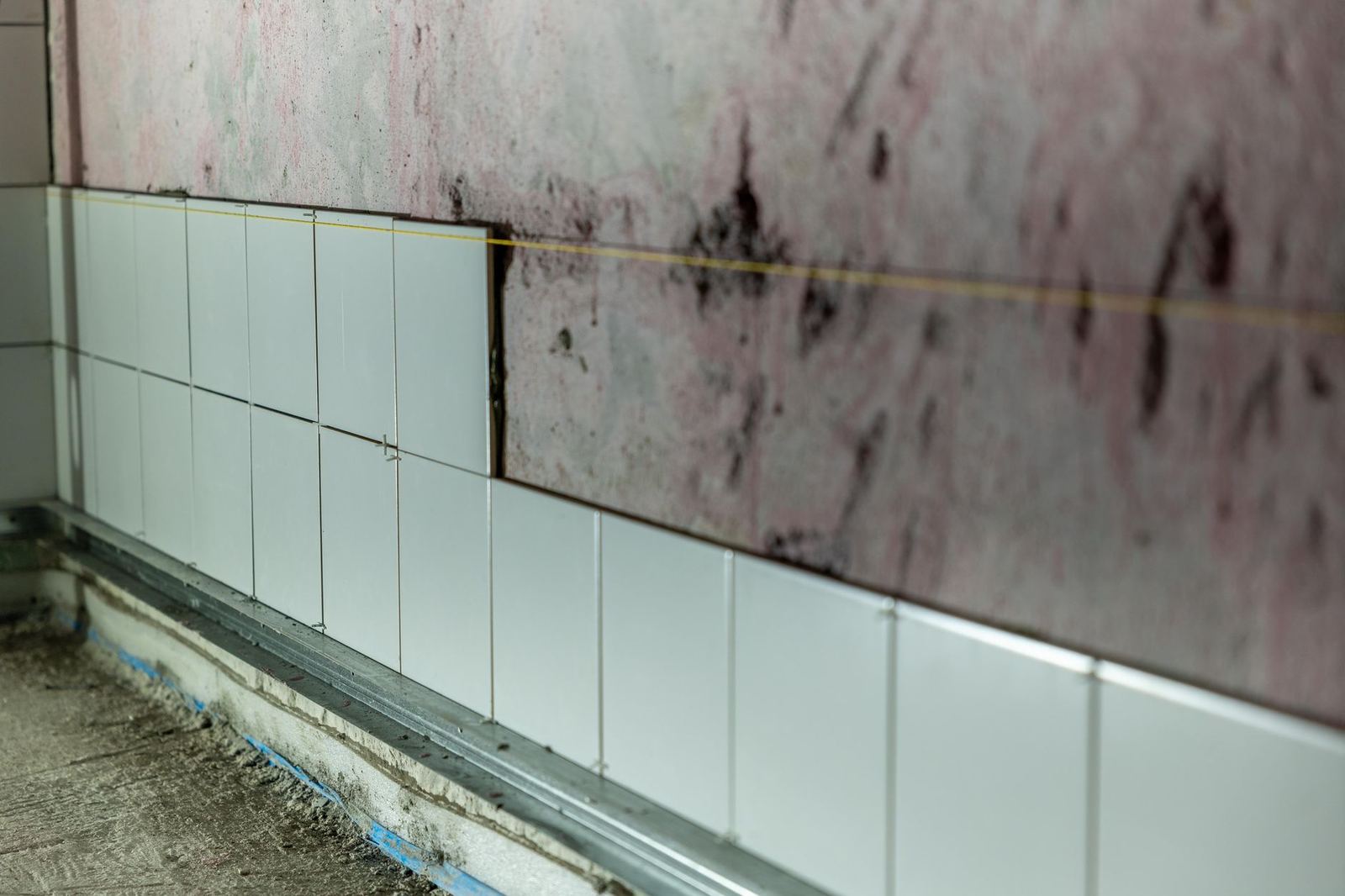
Learn the visual clues of hidden leaks. EPA lists rippling wall coverings, cracked drywall tape and peeling paint, which frequently mean water has leaked and hidden mold is likely. A musty smell deserves the same attention, although chemical odors from paint or cleaners are a separate matter covered in our explainer on what are vocs.
What to do when something gets wet
Speed is your best tool. EPA advises cleaning and drying damp or wet building materials and furnishings within 24-48 hours. Check hidden spots as well, because the prevention chapter stresses areas that might have gotten wet but are out of sight.
For mold on hard surfaces, EPA says to scrub with water and detergent and dry completely. Moldy absorbent items such as ceiling tiles may need to be replaced.
One more rule: never cover a problem. The house tour says not to paint over wet or moldy walls, and to fix the water problem first.
Frequently asked questions
Can I get rid of all mold in my home?
Show answer
Complete removal is not realistic, based on EPA’s mold guidance. What you can do is take away the damp conditions that let it spread.
What humidity level should I aim for?
Show answer
Stay beneath 60% relative humidity, and treat 30-50% as the sweet spot, according to EPA’s house tour. A cheap gauge tells you where you stand.
How quickly do I need to dry a soaked carpet or wall?
Show answer
Aim to have wet materials dried out inside 24-48 hours, per EPA. If you cannot manage it, or the material stays damp, a professional can help.
Do I need a dehumidifier?
Show answer
Not in every home. EPA lists dehumidifiers and air conditioners as options, especially in hot, humid climates, but warns that the appliances themselves must not become sources of biological pollutants.