Is your home too damp or too dry? The ideal indoor humidity level is 30% to 50% relative humidity, and EPA advises staying below 60%. A cheap meter tells you where you stand.
This guide is part of our wider look at indoor air quality, where moisture sits alongside ventilation and source control.
| Item | Value |
|---|---|
| Ideal indoor relative humidity | 30% to 50% |
| Ceiling to stay under | Below 60% |
| Time to dry wet materials | 24 to 48 hours |
| Gutter discharge distance from the foundation | At least 5 feet |
| Typical price of a basic humidity meter | Less than $50 |
These figures come from EPA’s Interactive Mold House Tour and its mold course lesson on why and where mold grows. Guidance and prices can change, so check the source before you rely on them.
The healthy range and why it matters
Mold can grow on virtually any organic material as long as moisture and oxygen are present, according to the EPA mold course. Removing every spore indoors is virtually impossible, so moisture control is the lever you actually hold.
The practical target is 30% to 50% relative humidity, with 60% as the line you should not cross, per EPA’s mold house tour. EPA’s prevention chapter adds that readings above 60% make condensation likely, and condensation can lead to mold growth.
The low end of the range does work too. Drier air may discourage dust mites and pests such as cockroaches, per the same EPA course. If dust is your main complaint, our guide on how to reduce dust in house covers the cleaning side.
Going too low has a cost as well. NC State Extension notes that a home that is too dry can bring increased static electricity, dry skin and dry nasal passages. Aim for the middle of the band rather than the bottom.
How to measure humidity at home
A humidity gauge reads relative humidity directly, and models that also show temperature are generally available for less than $50, per the EPA mold course. Treat the first week as a survey.
- Place the meter on an interior wall, away from vents, the stove and the shower.
- Read it morning and evening, because cooking and showering move the number.
- Move it to trouble spots such as a basement, a bathroom or a bedroom closet.
- Compare each reading with the 30% to 50% target and act on anything that stays high.
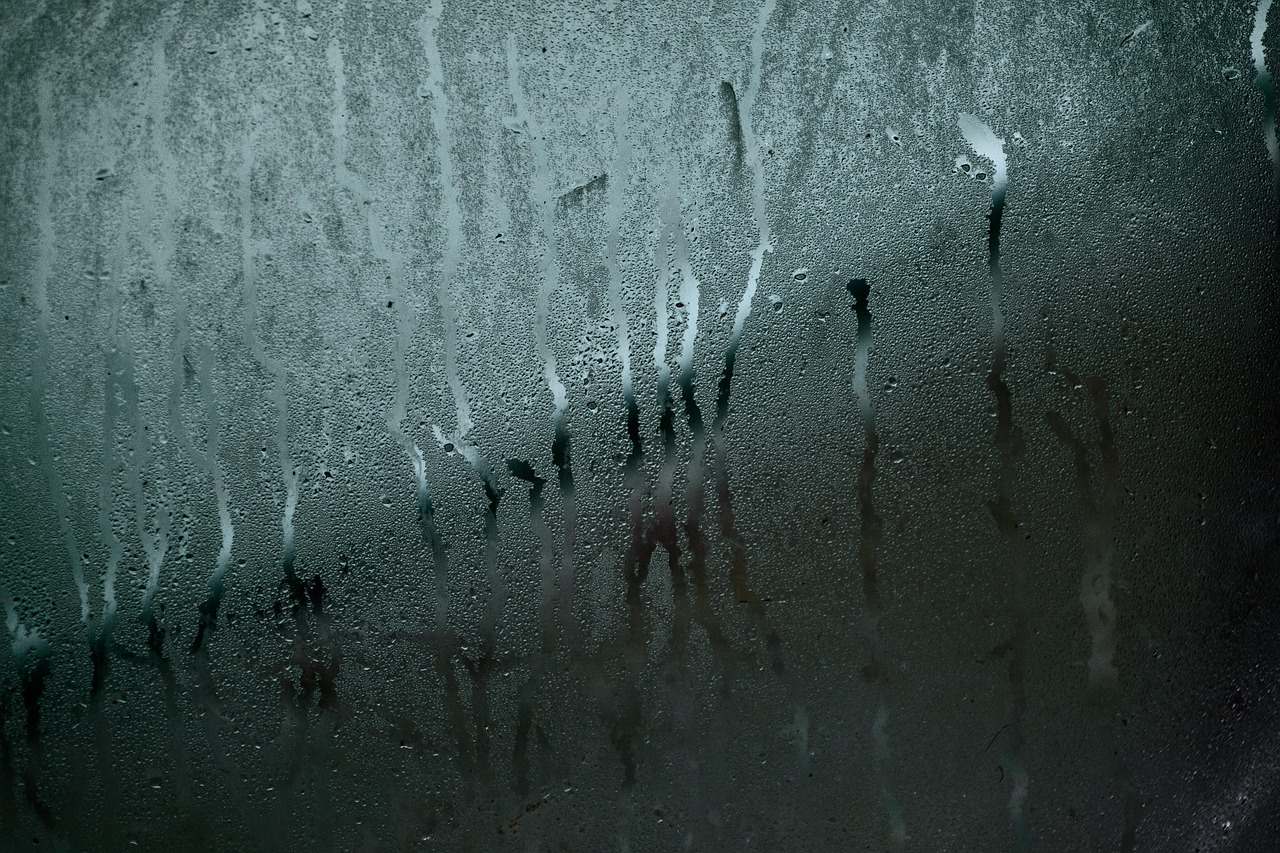
Your windows give a free second opinion. EPA’s moisture guidance says a humidistat is set too high if excessive moisture collects on windows and other cold surfaces.
Why the target drops in winter
Air holds less moisture as it cools, which is why water beads on the inside of a window in cold weather, according to EPA’s moisture page. The colder the glass, the sooner that condensation appears.
The same page reproduces a chart from the American Society of Heating and Air Conditioning Engineers (ASHRAE) with maximum indoor humidity levels. The ceiling starts at 35% in mild winter weather and falls to 15% at the coldest outdoor temperature listed.
Tight, energy-efficient houses hold more moisture inside. EPA suggests running a kitchen or bath fan sometimes, or opening a window briefly, per the same page.
How do you lower humidity that is too high?
Start with the sources, because a dehumidifier alone fights a losing battle if water keeps entering. These habits come from NC State Extension and EPA:
- Run exhaust fans while cooking and bathing, and vent them outdoors rather than into the attic.
- Vent the clothes dryer outdoors, since improperly vented dryers raise humidity in the room and may lead to mold growth.
- Take shorter or cooler showers, and wash only full laundry and dishwasher loads.
- Run a dehumidifier in damp rooms such as basements, and clean it regularly.
- Keep a right-sized air conditioner on the auto fan setting, because the constant setting returns moisture to the home.
Cooking adds moisture too, and a stove hood vented outdoors draws heat, moisture and other contaminants out of the kitchen. Our guide to gas stove indoor air pollution covers the combustion side of the same appliance.
Water outside the house matters as much as steam inside it. EPA says gutters should carry rain at least 5 feet from the foundation, and NC State suggests a 5% grade sloping away from the house for a minimum of 10 feet, per EPA and NC State Extension.
Using humidifiers and dehumidifiers safely
If winter air leaves you too dry, a humidifier can help, but set it to stay below 60% relative humidity, per EPA’s mold prevention chapter. Stand-alone units need frequent cleaning, and moldy filters can spread spores through the room.
Watch the glass as your feedback. EPA’s moisture guidance says to turn off humidifiers if you notice moisture on windows and other surfaces. It also advises against humidifiers in buildings without proper vapor barriers, so ask a building contractor if you are unsure.
Dehumidifiers and air conditioners help in hot, humid climates, but the appliances themselves should not become sources of biological pollutants. Empty and clean them on the maker’s schedule.
Frequently asked questions
Is 60% humidity too high for a house?
Show answer
It sits right at the edge. EPA treats 60% as the ceiling, according to its mold prevention chapter, so a reading near it leaves little margin. Steer toward the middle of the 30% to 50% band that the EPA mold house tour recommends.
Can indoor air be too dry?
Show answer
Yes. Very dry air can bring static shocks, dry skin and irritated nasal passages, according to NC State Extension. If your meter sits under the low end of the range, add moisture gently and recheck.
Do I really need a humidity meter?
Show answer
A meter beats guessing, because foggy windows are a late warning. Basic units run under $50 according to EPA’s mold course.
When can I open windows to cut humidity?
Show answer
Only when the air outside is drier than the air inside. NC State Extension puts the cutoff at outdoor relative humidity below 50%, as laid out in its mold prevention publication.