Choosing air purifiers can feel like guesswork when you just want cleaner air at home. The short answer: match the unit’s CADR to your room size, and pick one with a carbon filter if gases or odors bother you.
| Item | Value |
|---|---|
| Share of time people spend indoors | About 90% |
| Minimum CADR for a 100 square feet room | 65 cfm |
| Minimum CADR for a 300 square feet room | 195 cfm |
| Minimum CADR for a 600 square feet room | 390 cfm |
| Suggested minimum furnace or HVAC filter rating | MERV 13 |
| Typical share of time an HVAC system runs | Less than 25% |
These figures come from the EPA’s Guide to Air Cleaners in the Home. Guidance and figures can change, so check the source before you rely on them.
What air purifiers actually do at home
Indoor air contains pollutants that can affect human health, and they come from both outdoors and indoor activities. The EPA’s guide to air cleaners lists cooking, cleaning, secondhand smoke, building materials, consumer products and home furnishings as common indoor sources.
Because people spend about 90% of their time indoors, mostly in their homes, much of their exposure to airborne pollutants happens there, as the EPA explains. Indoor air quality also varies from home to home and across the course of a day.
Portable air cleaners, also known as air purifiers or air sanitizers, are designed to filter the air in a single room or area. They can reduce indoor air pollution, but they cannot remove every pollutant.
If you want the mechanics behind the fan and filter, the explainer on how do air purifiers work covers it step by step.
Start with the source, then add filtration
A purifier is a supplement, not a cure-all. The EPA says the most effective ways to improve indoor air are to reduce or remove the sources of pollutants and to ventilate with clean outdoor air, with filtration as a useful addition.
That ordering matters when you shop, because no air cleaner or filter will eliminate all of the air pollutants in your home. A purifier works best when you also cut down on what is putting pollutants into the room in the first place.
For the wider picture of what builds up inside your rooms, the hub on indoor air quality is a good place to continue. Some of what drifts indoors starts outside, so the hub on air pollution helps explain that side.
Particles versus gases: matching the filter to the problem
Most filters are designed for either particles or gases, so decide which one you are dealing with. According to the EPA, common indoor contaminants include particulate matter (PM 2.5 is fine and PM 10 is coarse), formaldehyde, mold and pollen.
Here is how the main options line up:
- For particles: choose a unit whose CADR suits your room. Portable air cleaners often reach a high CADR by using a high-efficiency particulate air (HEPA) filter, and the guide on what is a hepa filter looks at that filter type in more detail.
- For gases and odors: look for an activated carbon filter or another filter designed to remove gases. Carbon can be effective, provided the filter holds a large amount of material.
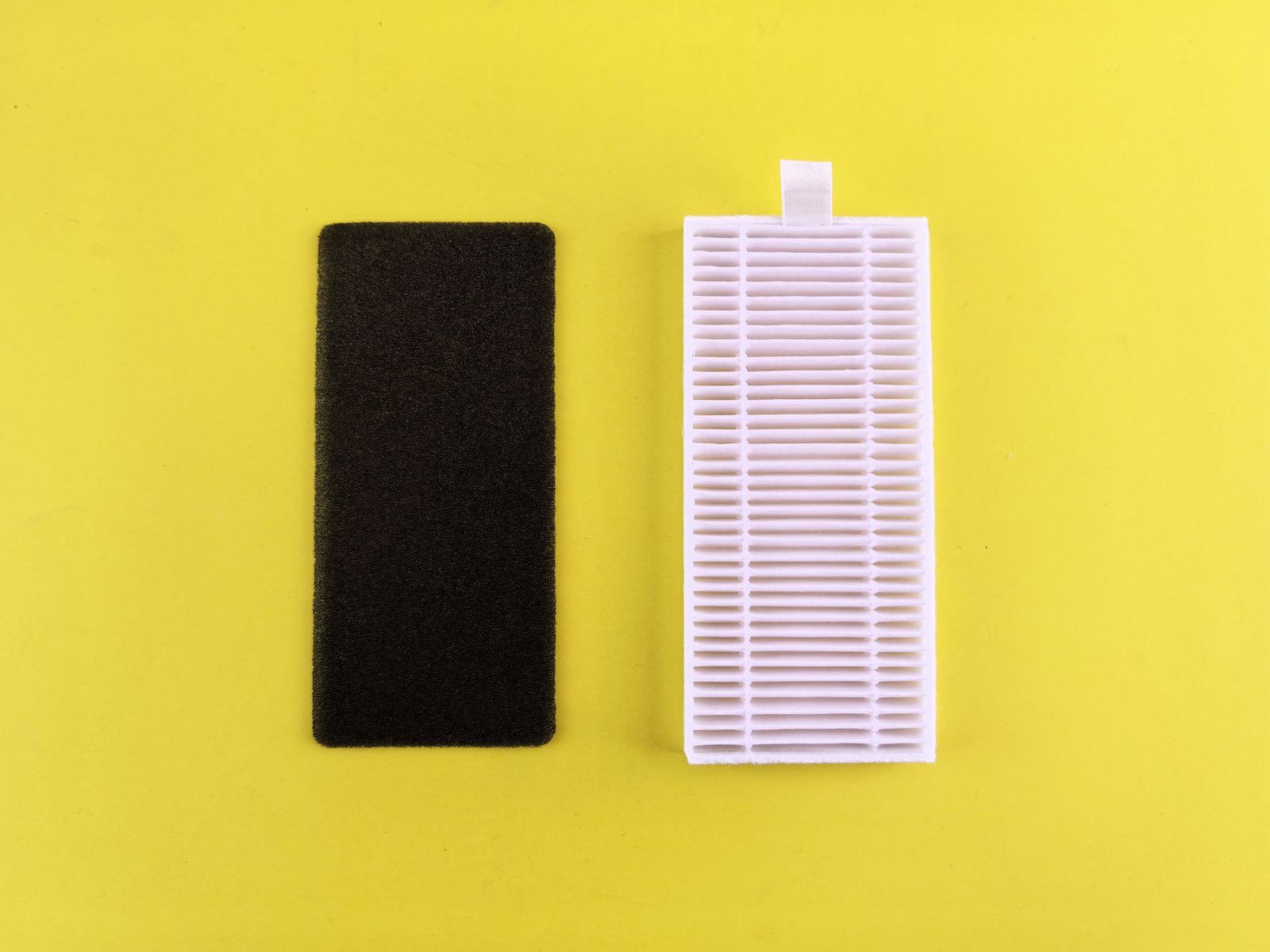
- For both: pair a high CADR with an activated carbon filter. Many air cleaners ship with two filters, one for particles and one for gases.
One caution: the CADR rating system covers particles only. The EPA notes there are no widely used performance ratings for products designed to remove gases, so read the packaging for what the gas filter targets.
Sizing air purifiers to your room
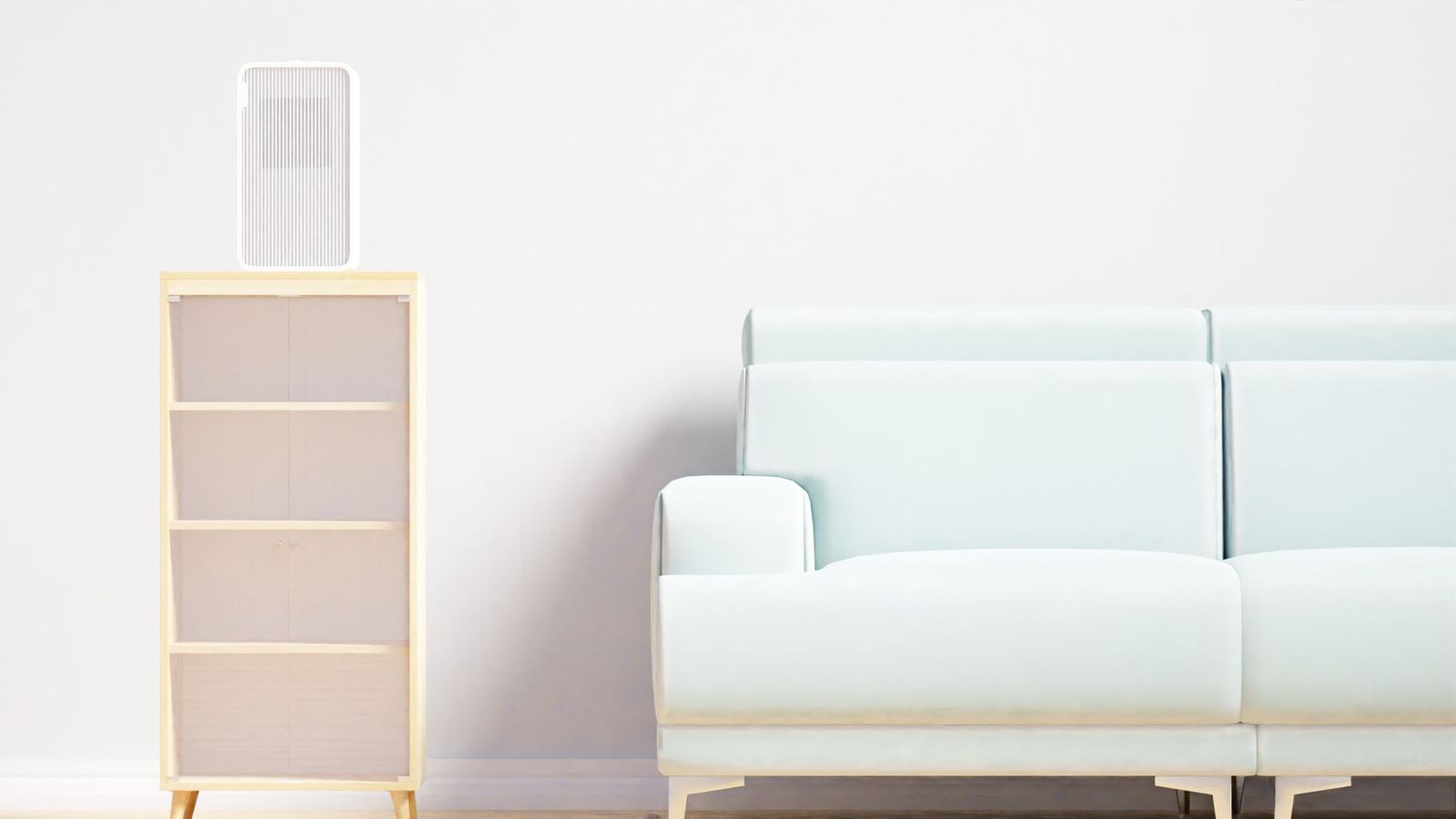
The clean air delivery rate, or CADR, tells you how much filtered air a unit delivers. The higher the CADR, the more particles the unit can filter and the larger the area it can serve; the explainer on what is cadr goes deeper on how the rating is read.
The EPA offers this estimate for particle removal. Match your room area to the minimum CADR in the second column.
| Room area | Minimum CADR |
|---|---|
| 100 square feet | 65 cfm |
| 200 square feet | 130 cfm |
| 300 square feet | 195 cfm |
| 400 square feet | 260 cfm |
| 500 square feet | 325 cfm |
| 600 square feet | 390 cfm |
This chart is the EPA’s own sizing table in its consumer guide, offered for estimation only. Look at the page again before you buy in case the numbers have been revised.
The estimates assume an 8-foot ceiling. With taller ceilings, the EPA suggests choosing a unit with a higher CADR, and most packaging states the largest room a unit should serve.
For a fuller walk-through of measuring and matching, see the guide to what size air purifier do i need.
Settings count too. Higher fan speeds and longer run times increase the amount of air filtered, while a lower speed means less air passes through the filter.
Furnace and HVAC filters as a whole-home option
Central furnace or HVAC filters are designed to filter air throughout a home, while a portable unit handles one room. They filter only while the system is operating, and the EPA notes that HVAC systems usually run less than 25% of the time during heating and cooling seasons.
If you upgrade, the EPA advises a filter rated at least MERV 13, or as high as your system fan and filter slot can accommodate, as described in the same guide. An HVAC technician can tell you the highest efficiency your system will handle.
Running the system longer would add filtration, but that can raise electricity costs and make humidity control less reliable during the cooling season. For many homes a portable unit in the rooms you use most is the more practical complement.
What to check before you buy
A short checklist keeps the decision grounded in published specs rather than marketing:
- Measure the room and pick a CADR from the sizing chart above.
- Decide whether you need to filter particles, gases or both.
- Read the packaging for the largest room size the unit is meant for.
- Plan for replacement, because all filters need regular replacement and a dirty, overloaded filter will not work well.
- Be wary of any badge that implies government endorsement.
On that last point, the EPA says it does not certify or recommend specific brands or models of air filters or portable air cleaners. This site likewise bases its guidance on published specs and public health sources, never on payment.
Filter upkeep has its own explainer on how often to change air purifier filter. If sneezing is the reason you are shopping, read the guide to an air purifier for allergies, and pet owners can look at an air purifier for pets.
Frequently asked questions
Do air purifiers remove odors and gases?
Show answer
Only if the unit includes a filter built for gases, such as activated carbon. A particle filter alone will not do that job, which is why some models combine two filters.
Can an air purifier replace opening windows?
Show answer
No. The EPA puts source reduction and bringing in clean outdoor air first, and describes filtration as a supplement to them.
Does running a purifier on a low setting still help?
Show answer
It helps, but less. Turning the fan up or leaving the unit on for longer pushes more air through the filter.
Does the EPA endorse particular purifier brands?
Show answer
The agency states in its home air cleaner guide that it does not certify or recommend specific brands or models. Compare published specs such as CADR instead.