You can’t see most indoor pollution, but you can cut it. Here is how to reduce air pollution at home: remove the source first, then bring in fresh air, then add filtration if you still need it.
This guide is part of our wider look at indoor air quality, which covers pollutants and health effects in more depth.
| Item | Value |
|---|---|
| Basic strategies to improve indoor air | Three: source control, ventilation, air cleaners and filtration |
| Share of our time spent indoors | About 90% |
| Suggested indoor humidity range | Between 30 and 50 percent |
| Radon’s rank among causes of lung cancer | Second leading cause overall |
These figures come from EPA’s indoor air quality overview and its Care for Your Air guide. Guidance and figures can change, so check the source before you rely on them.
Start with source control
EPA says that in most cases source control is the most effective solution to indoor air quality problems, which is why it comes before any gadget. The agency also notes that we spend about 90% of our time indoors, so what you bring into your home matters, as explained in its indoor air overview.
Many everyday products release volatile organic compounds (VOCs). According to EPA’s Care for Your Air guide, these include:
- Paints, lacquers and paint strippers
- Cleaning supplies and air fresheners
- Pesticides and moth repellents
- Varnishes, waxes and building materials
- Dry-cleaned clothing
The same guide says VOCs can evaporate when products are used, and sometimes even while they are stored. Closing containers tightly, and choosing fewer scented or harsh products, cuts what ends up in the room. It also tells people not to let anyone smoke indoors.
Source control is often cheaper than ventilating more, because EPA points out that extra ventilation can raise energy costs. Fuel-burning appliances are a good example: EPA says gas stoves can be adjusted to lower their emissions. Our guide to gas stove indoor air pollution covers that topic in detail.
Ventilate, especially during messy jobs
Most home heating and cooling systems, including forced air systems, do not mechanically bring fresh air into the house, according to EPA’s improving indoor air quality page. You usually have to add the fresh air yourself.
EPA’s suggestions include:
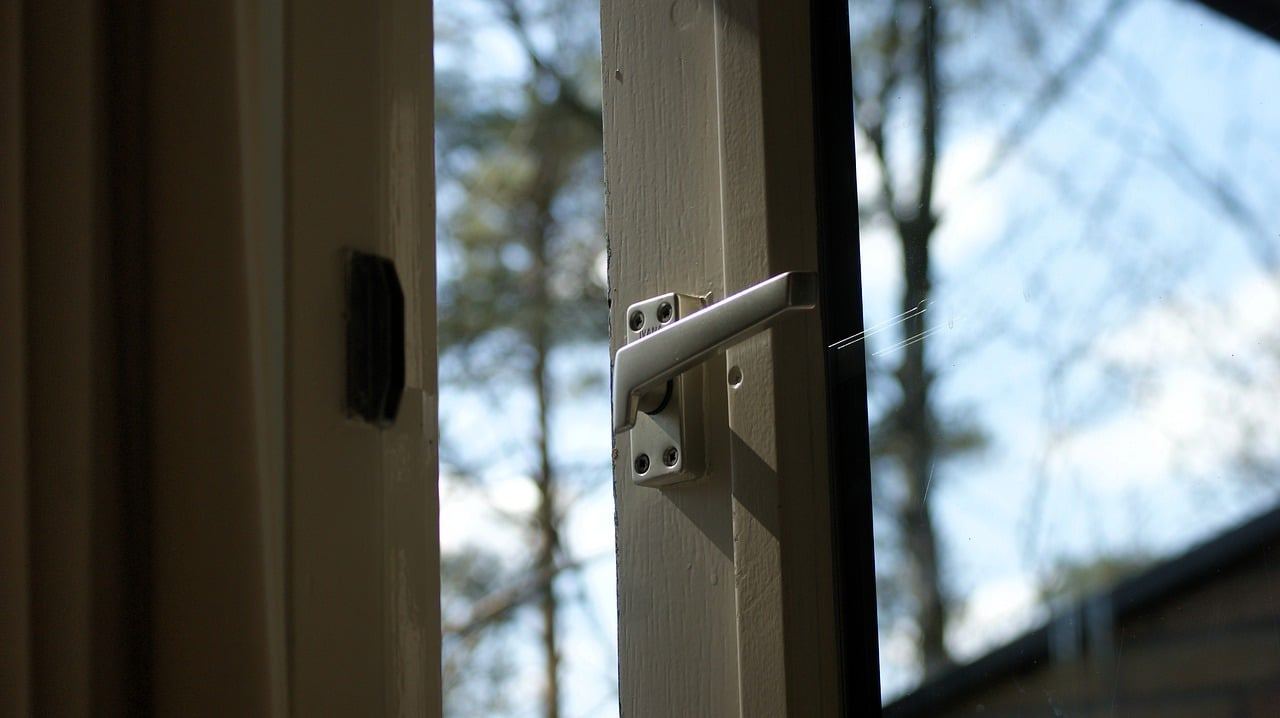
- Opening windows and doors when the weather permits
- Running window or attic fans
- Running a window air conditioner with the vent control open
- Using bathroom and kitchen fans that exhaust outdoors
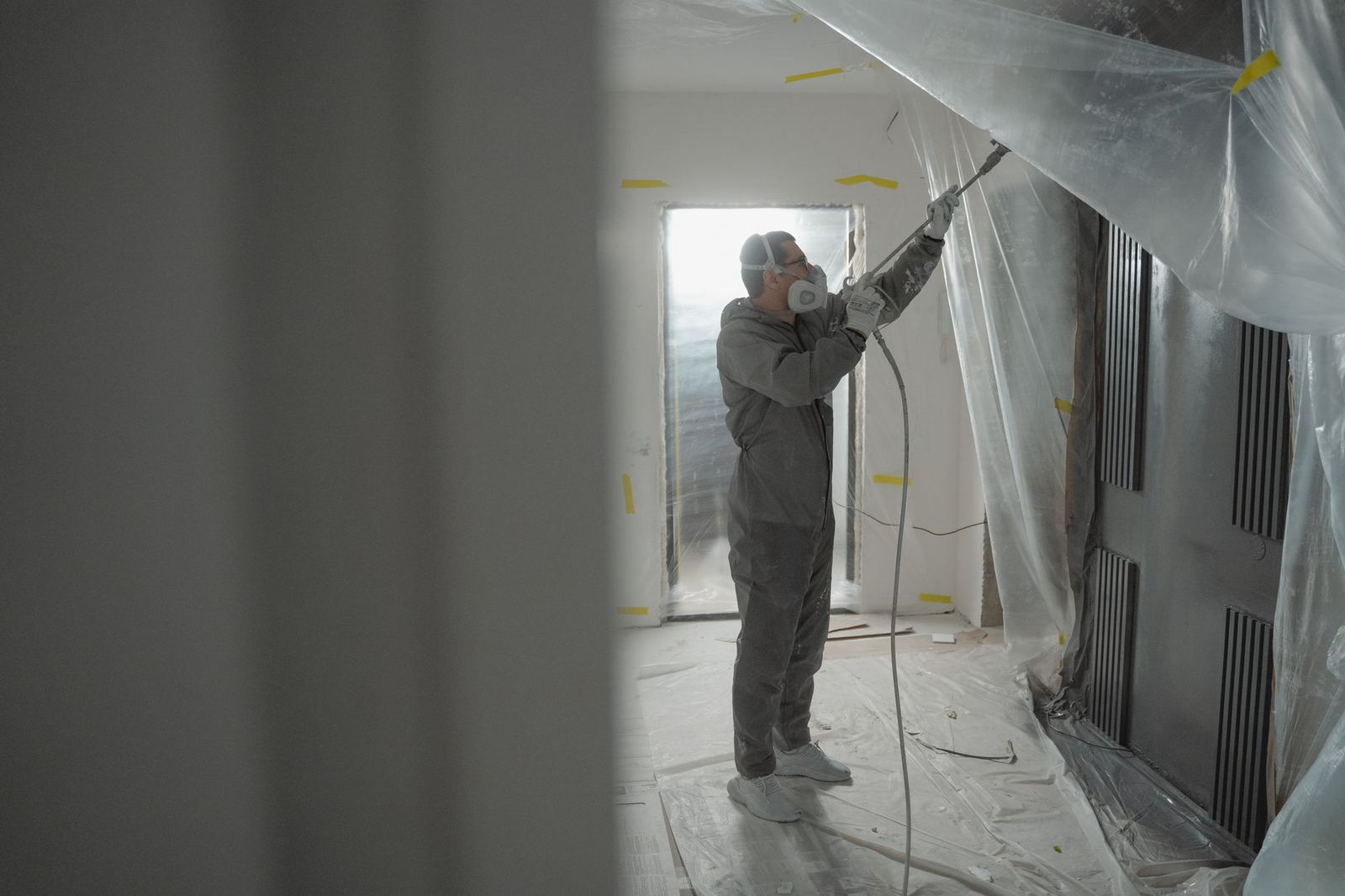
Exhaust fans matter because, per the same page, they remove contaminants directly from the room where the fan sits. EPA says it is particularly important to ventilate during short-term activities such as painting, cooking, welding, soldering or sanding. If you can, do some of those jobs outdoors.

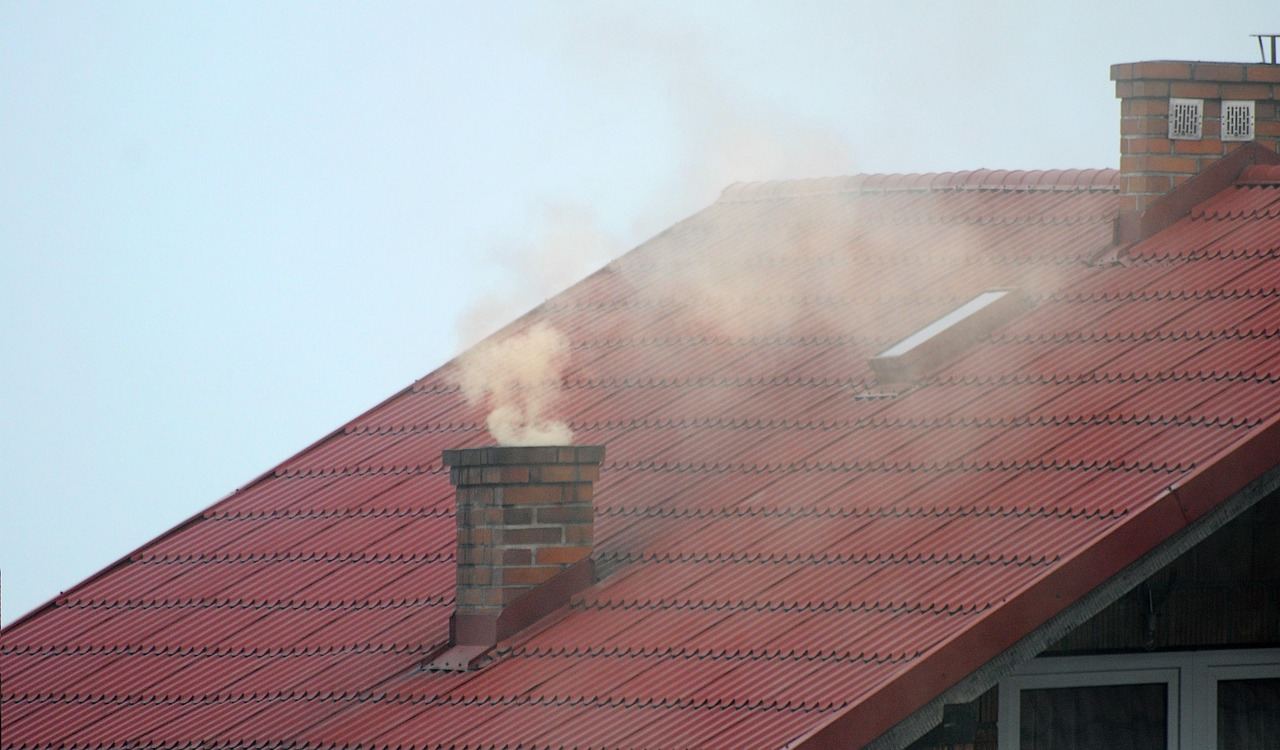
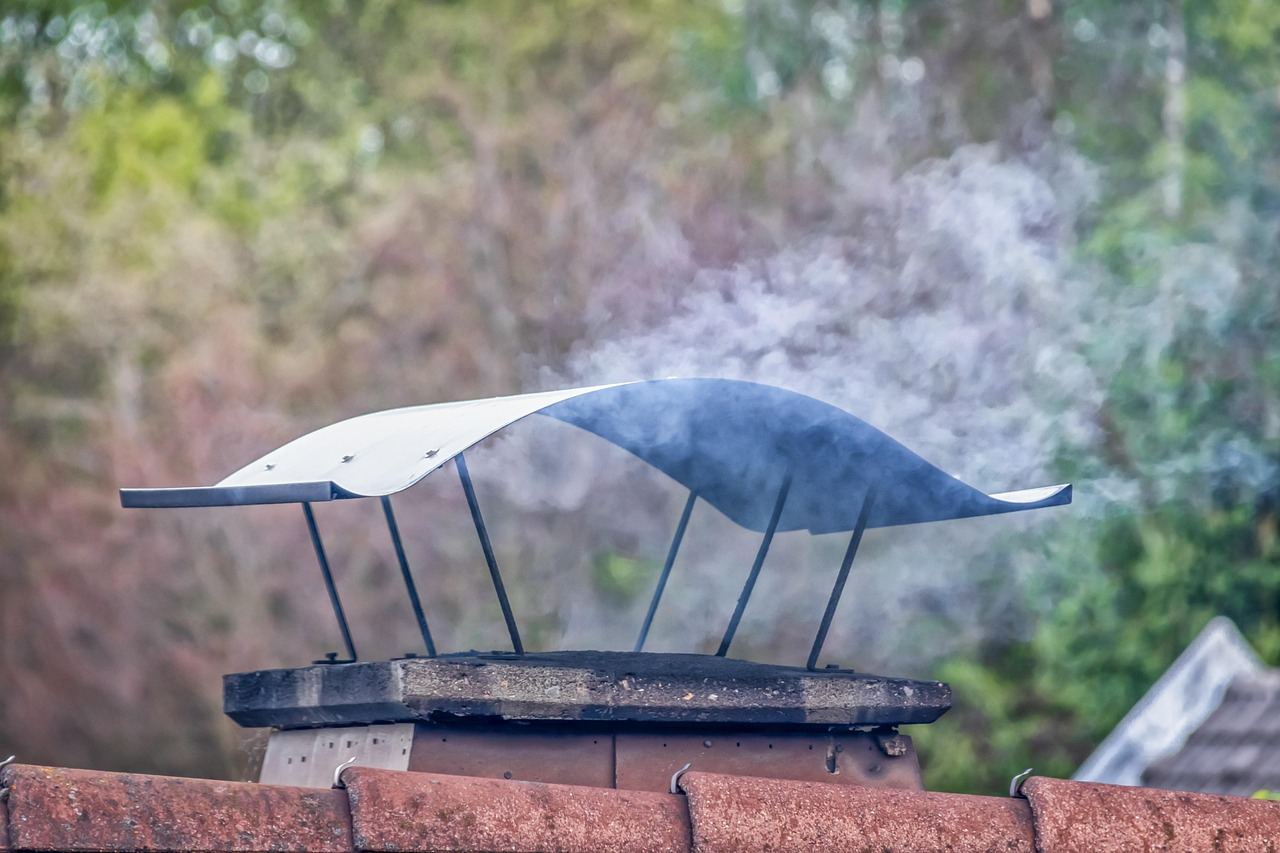
Ventilation is not always the right call. EPA advises weighing it carefully where outdoor sources of pollutants, such as smoke or refuse, are nearby.
What can air cleaners and filters do?
Think of filtration as a supporting act. EPA’s overview says portable air cleaners and higher-efficiency HVAC filters can supplement improvements from source control and ventilation, as stated on its indoor air quality page.
How well a unit works depends on two things. EPA explains that these are how well it collects pollutants (a percentage efficiency rate) and how much air it moves (in cubic feet per minute). A strong filter with weak airflow, or the reverse, will disappoint you.
There are limits to keep in mind:
- Air cleaners are generally not designed to remove gaseous pollutants.
- Table-top models may not remove enough from strong nearby sources.
- Performance over time depends on following the manufacturer’s directions.
Houseplants are not a shortcut either. EPA’s page states there is no evidence that a reasonable number of houseplants remove significant quantities of pollutants in homes and offices, and overwatering can encourage microorganisms.
For central systems, EPA’s Care for Your Air guide says to change or clean the filters regularly, following the package instructions.
Keep humidity in a healthy range
Moisture drives mold, and mold is a common asthma trigger. EPA recommends keeping indoor humidity between 30 and 50 percent, and notes that high humidity increases the likelihood of mold, in its Care for Your Air guide.
A cheap humidity gauge from a hardware store tells you where you stand. Our explainer on the ideal indoor humidity level goes further on how to hold that range through the seasons.
If you do find mold, EPA’s overview says to first fix the moisture problem that allows it to grow. Cleaning without fixing the leak only buys you time.
Check for hazards you cannot smell
Some of the most serious problems give no warning. EPA says all homes should have carbon monoxide and smoke alarms and be tested for radon.
Radon is the leading cause of lung cancer among nonsmokers, and the second leading cause overall, according to EPA’s guide. Carbon monoxide is colorless and odorless, so have fuel-burning appliances inspected for leaks and repaired when necessary.
A simple order of action
- Find the sources: products, appliances, smoke, damp spots.
- Remove or reduce them, and store leftovers sealed.
- Ventilate whenever you cook, clean or do a project.
- Control moisture and watch the humidity gauge.
- Add a filter or air cleaner for particles, and maintain it.
- Install alarms and test for radon.
Frequently asked questions
Is opening a window enough?
Show answer
It helps dilute indoor pollutants, but it does little for a source that keeps emitting. Pair it with removing the source, and skip it if the air outside is smoky.
Will a purifier clear paint fumes or cooking gases?
Show answer
Usually not. Most air cleaners target particles rather than gases, so venting the room and reducing the product use work better for fumes.
Do houseplants clean the air?
Show answer
Laboratory studies drew publicity, but EPA’s guidance says home-scale evidence of meaningful pollutant removal is lacking. Treat plants as decoration, not equipment.
Which hazard should I test for first?
Show answer
Start with radon, since it is a leading cause of lung cancer and cannot be sensed. A test kit and working alarms for smoke and carbon monoxide cover the basics.