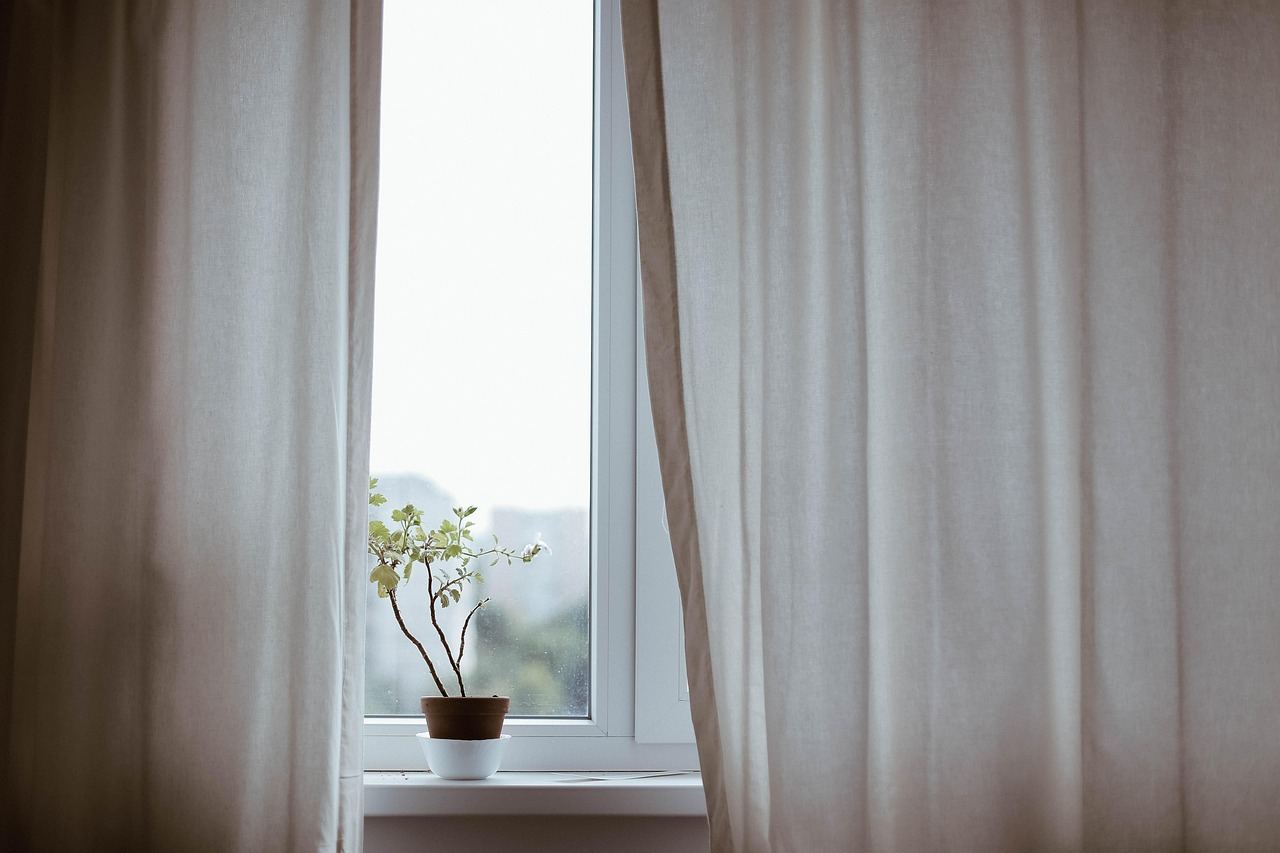
You may be wondering: do houseplants clean the air in your home? Not enough to matter. Lab results look promising, but real rooms would need far more plants than any home can hold.
If you want the bigger picture, our guide to indoor air quality covers the main sources of indoor pollution and what to do about them.
| Item | Value |
|---|---|
| Studies in the Drexel review of plant experiments | 12 studies |
| Plants tested across those studies | 196 plants |
| Plant density the review says would be needed to matter | around 10 plants per square foot |
| Plants for a 500-square foot apartment at that density | 5,000 plants |
| NO2 removed by plant and pot in a 0.15 cubic meter chamber | 47 to 62 percent in one hour |
| NO2 removed by five plants in a poorly ventilated small room | up to 20 percent |
These figures come from National Geographic’s November 2019 report and Popular Science’s March 2022 report. Research changes, so check the sources before you rely on the numbers.
What the lab studies actually found
The idea that plants scrub toxins from your home traces back largely to a 1989 NASA study. According to National Geographic, plants sat in chambers just over two feet wide and long, filled with various gases and moved along by a small fan.
Later work added more evidence of the same kind. A review by Drexel University researchers covered 12 published studies that tested 196 plants, and one experiment showed common household ivies removing two-thirds of the formaldehyde they were exposed to in 24 hours, as National Geographic reported.
A 2022 study reported by Popular Science found that three common houseplant species, grown in a 0.15 cubic meter chamber, removed about 47 to 62 percent of nitrogen dioxide (NO2) within an hour. That result counts the plant and its pot of soil together.
Michael Waring, the Drexel engineer behind the review, did not call this data flawed. He said it is experimental, as National Geographic quotes him.
Why chamber results don’t carry over to your living room
To compare plants with real cleaning methods, Waring converted each study’s result into a clean air delivery rate. National Geographic explains that CADR measures how much clean air an air purifier delivers to a room over a given time.
That put plants on the same scale as a mechanical purifier or an open window. The finding: plants do remove VOCs, but at a rate too slow to compete with the air exchange already happening in buildings.
Christian Pfrang, who led the NO2 work, told Popular Science that removal depends heavily on ventilation rates and room volumes. His co-reviewer Bryan Cummings put the gap in plain terms: one potted plant clears certain VOCs about one thousand or ten thousand times more slowly than a typical household HEPA filter clears fine particles.
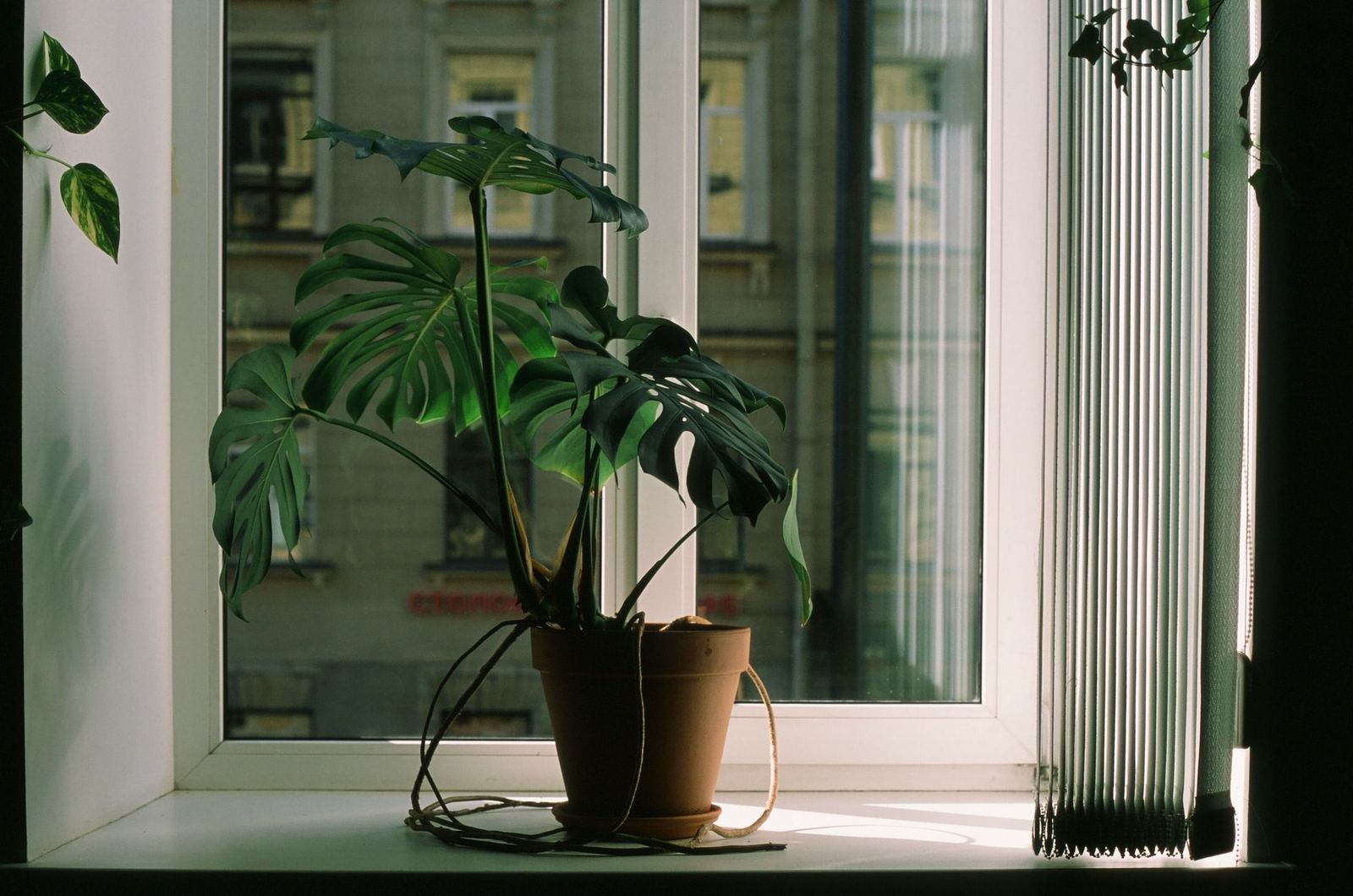
How many plants would it take?
The published estimates all point the same way, as these numbers show:
- Waring’s analysis says reducing VOCs enough to affect air quality would take around 10 plants per square foot, according to National Geographic.
- In a small 500-square foot apartment, that works out to 5,000 plants, a veritable forest in the same report.
- Cummings gave a lower bar of more than one plant per square foot of floor space, per Popular Science.
- Pfrang estimated that five plants in a poorly ventilated small room could remove up to 20 percent of NO2 in a highly polluted setting.
Larger rooms need more plants, and well-ventilated rooms benefit less. Cummings also warned that even the low-end plant count would get in the way of using a room.
Crowding a space with greenery has other costs. Plants can give off their own VOCs and add moisture, which can feed mold, so it helps to know the ideal indoor humidity level before you fill a room with pots.
The case for plants: an office study and its critics
The strongest argument for plants comes from a study covered by the National Wildlife Federation in 2008. Plant biologist Margaret Burchett and colleagues tested a peace lily and a dracaena in 60 different offices.
After 18 weeks, as few as six small potted plants had reduced overall toxin levels by 75 percent, the same article reports. That sounds dramatic, which is why critics pushed back.
John Girman, then the senior science advisor for the EPA’s Indoor Air Division, said he would not rely on plants as air cleaning machines. He also noted that ventilation rates were not measured, and that ventilation can bring in pollution faster than a plant removes it, so the plants’ real effect is hard to judge.
Even Bill Wolverton, one of the original NASA researchers, accepted that plants alone are limited unless planted in large numbers. He still said two or three plants would make a big difference for the average room, a claim the later Drexel review did not support.
What cleans indoor air better than plants
The experts quoted by Popular Science and National Geographic agree on an order of priority:
- Remove the source. Cooking can generate particulate matter, and VOCs can come from chemical cleaners and the synthetic coatings in carpet and furniture.
- Ventilate. Opening windows is the most effective and sustainable fix at home, Cummings said, if you live far from smog, highways, power plants or refineries.
- Filter. He also recommends a correctly sized HEPA filter, which is extremely effective against airborne particles that can carry viruses, cause asthma or act as allergens.
- Cut what you emit. Clean hard surfaces with soap and water, skip incense and essential oil diffusers, and use an electric or induction stove instead of gas.
If you cook with gas, our guide to gas stove indoor air pollution explains why that last step matters.
Are houseplants still worth keeping?
Yes, for other reasons. Plants can provide psychological benefits such as stress relief, but Gall, Strand, Allen and Waring all said they should not be bought as an air purifying tool, according to National Geographic.
If you keep them, care matters. Wolverton advised in the 2008 NWF article not to overwater, not to let water stagnate in the tray, and to use expanded clay or shell pebbles that don’t support mold.
Frequently asked questions
Do genetically modified plants clean air better?
Show answer
In lab tests, University of Washington researchers found that modified pothos removed more chloroform and benzene than unmodified plants. Elliott Gall called the work great science but doubted it would improve air quality outside a lab, per National Geographic.
Do tree walls or green walls help?
Show answer
Outdoors, areas behind well-designed tree walls saw roughly 10 to 30 percent of emissions reduced, Gall told National Geographic. Pfrang suggested active green walls or air filtration systems as options for people who want plants and cleaner air.
Does air freshener clean the air?
Show answer
No. Waring points out that clean air has no odor, so a scented spray works more like perfume than a cleaner, according to National Geographic.
Does NASA still use plants for air?
Show answer
As of National Geographic’s November 2019 report, NASA grew plants on the International Space Station for fresh food and a pleasant atmosphere. The agency tied their health benefits to mental state rather than air cleaning, as National Geographic noted.