Wondering what is smog and whether the haze outside is harmful to breathe? Smog is air pollution formed from smoke, fog or sunlight-driven reactions, and it can irritate your lungs and heart. Here is how it forms and who it hits hardest.
This guide is part of our series on air pollution, which is the place to start if you want the wider picture.
| Item | Value |
|---|---|
| Word origin | Smoke + fog |
| Main types of smog | Two types: classical (London) and photochemical |
| Main ingredient of photochemical smog | Ground-level ozone |
| Fine particle size | 2.5 microns or less in diameter (PM2.5) |
| London Great Smog, 1952 | 4,703 people died within a week |
| Donora, Pennsylvania smog, 1948 | Lasted five days |
The figures come from an environmental chemistry e-book chapter and an EPA archive page (a snapshot dated January 19, 2025). Figures can change or be revised, so check the sources before you rely on them.
The two main types of smog
The word smog blends smoke and fog, and it is mainly a city problem, according to the chemistry chapter. The same chapter describes two types: classical (London) smog and photochemical smog.
- Classical smog: coal smoke and sulfur dioxide trapped under cool, still, foggy air.
- Photochemical smog: a haze built when sunlight drives reactions between nitrogen oxides and volatile organic compounds, with ozone as its main ingredient.
Both kinds carry toxic pollutants, and the chapter links them to high death rates in places where they are a regular feature. The recipe differs, but the health outcome is similar: dirty air that people have to breathe.
How does smog form?
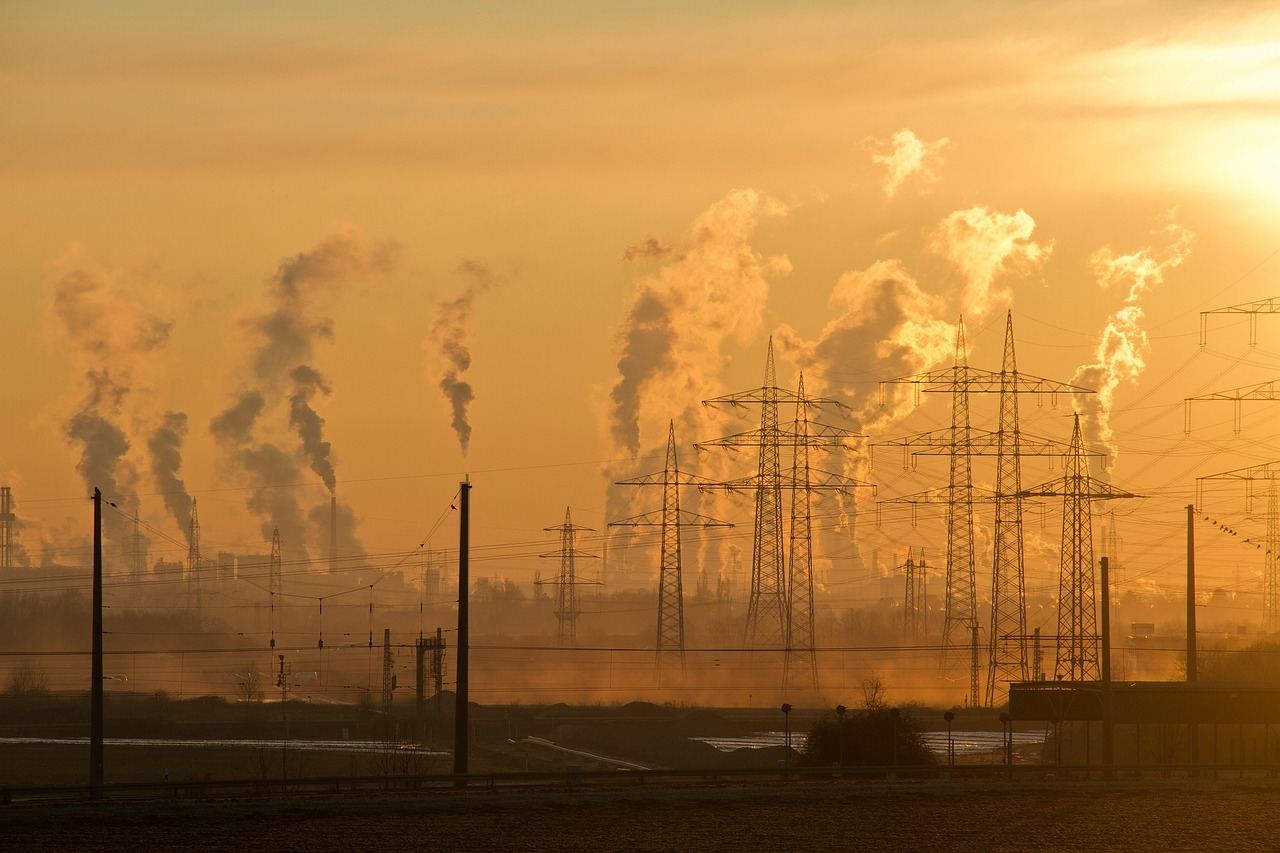
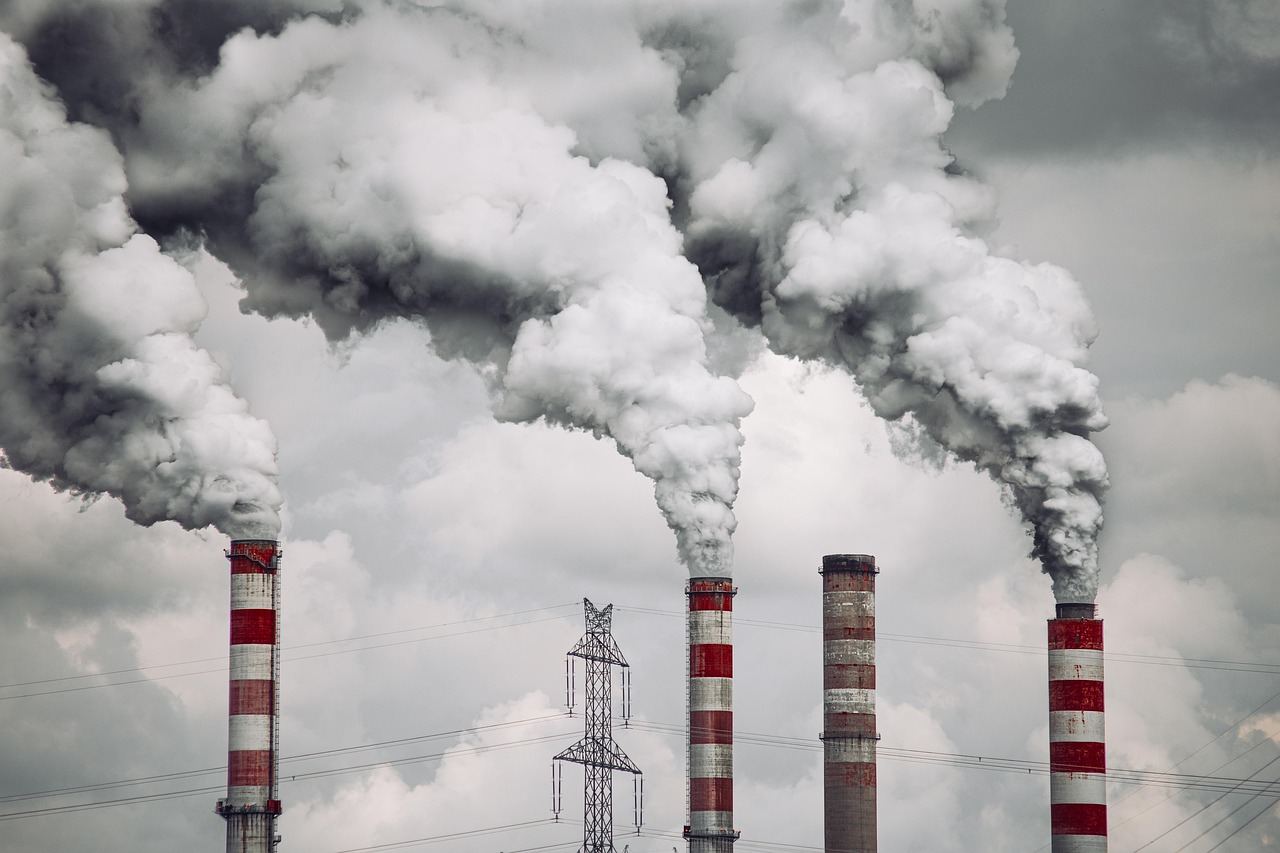
Classical smog needs two things: plenty of burning fuel and air that refuses to move. On the London day described in the chapter, a temperature inversion kept pollutants from dispersing in December 1952. Under that lid, sulfur dioxide from the chimneys turned into sulfuric acid.
Photochemical smog is built in the air rather than released from a pipe. According to an EPA archive page, ground-level ozone is not emitted directly but is created by reactions between oxides of nitrogen (NOx) and volatile organic compounds (VOC) in the presence of sunlight.
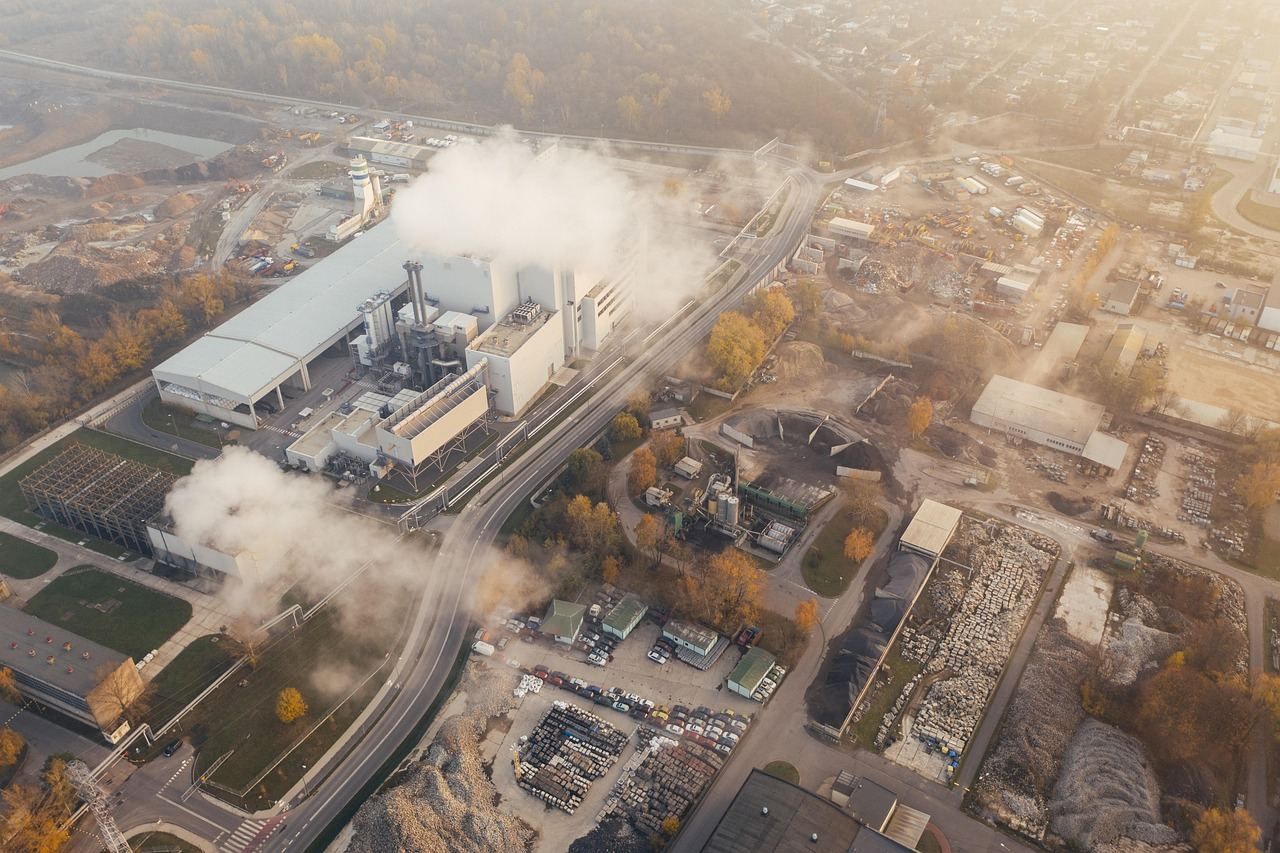
Particles add to the mix. Primary particles come straight from sources such as construction sites, unpaved roads, fields, smokestacks or fires, while secondary particles form from reactions of chemicals such as sulfur dioxides and nitrogen oxides. In the United States, the EPA archive page says secondary particles make up most of the fine particle pollution.
If you want the chemistry of the main gas in more depth, the guide to ground level ozone covers it.
Smog episodes that changed the rules
Two historic events show what classical smog can do. Both are described in the chemistry chapter.
- London, December 1952: 4,703 people died within a week while more than one million chimneys burned dirty coal under a cool, still, foggy sky.
- Donora, Pennsylvania, 1948: chimneys of a zinc smelter released toxic sulfur dioxide, carbon monoxide and metal dust, and the smog lasted five days.
The response in Britain was slow. A committee made its recommendations in 1954, and in 1956 a new law came into force that mandated less coal burning, as the same source recounts.
Where smog hits hardest
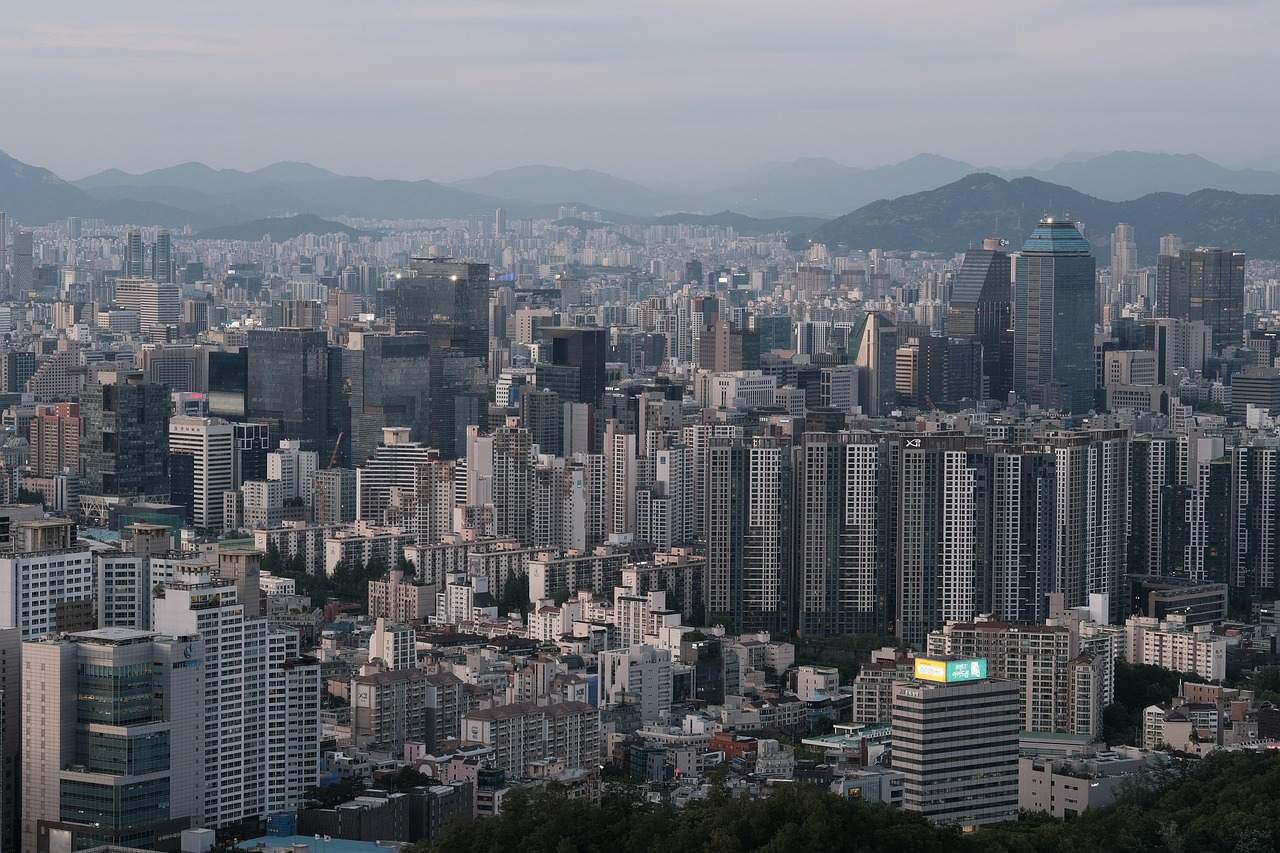
Smog is primarily an urban phenomenon, with cities such as Beijing, Shanghai, Mumbai and Delhi named in the chapter as places where severe smog is common. Big populations and many emission sources sit together there.
Roads matter too. An EPA archive page says people who live, work or attend school near major roads appear to have more frequent and more severe health problems tied to traffic-related air pollution.
The same page adds that air toxics tend to pose greater risks in urban areas, and that low-income neighborhoods, tribal populations and communities of color in cities may be disproportionately exposed. Ozone-driven smog is the one to watch when the weather turns hot and sunny.
Levels shift daily, so it helps to know how to check air quality near me before you plan time outdoors.
Who is most at risk from smog?
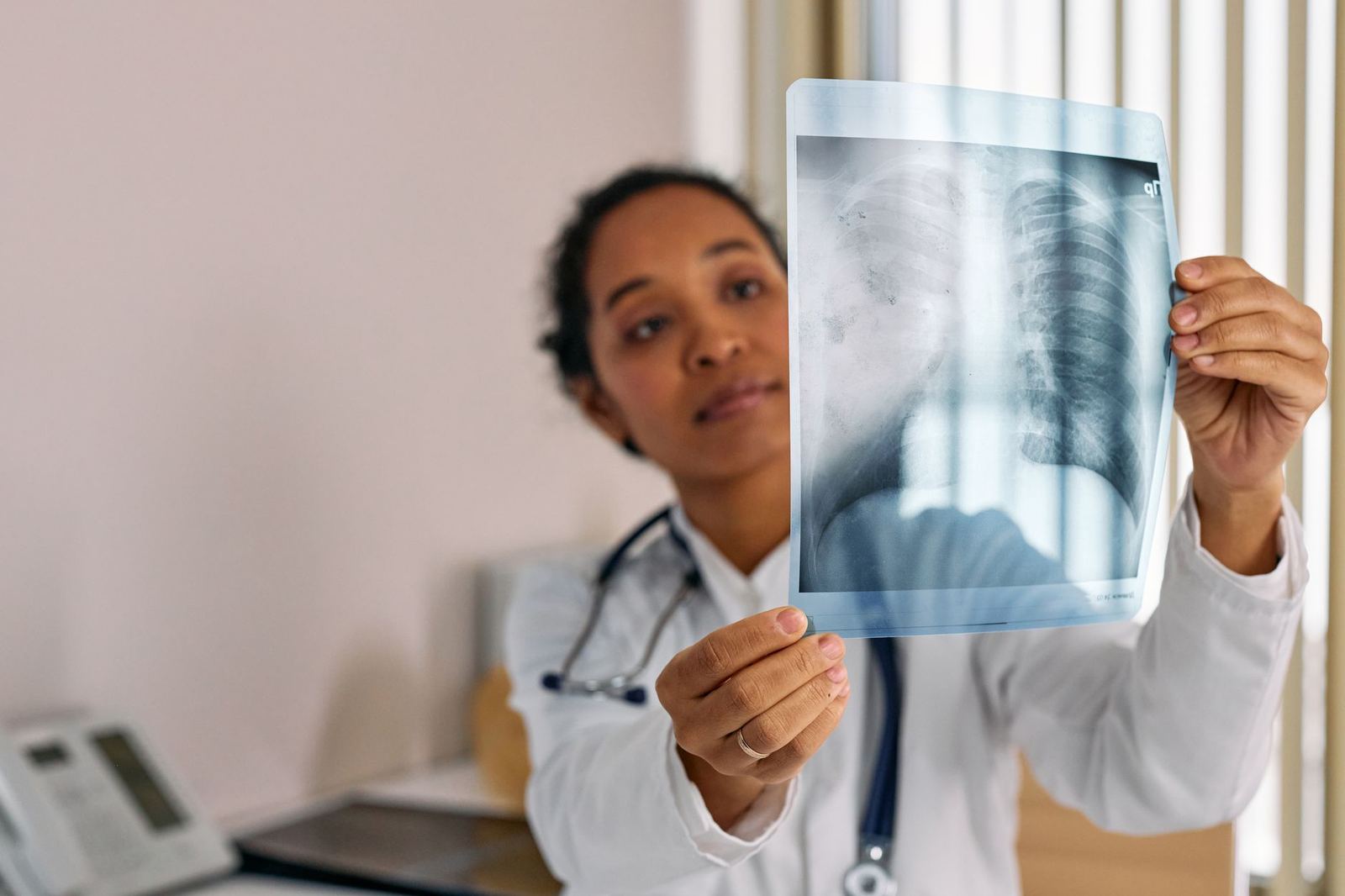
Ozone is the main gas in photochemical smog, and the EPA archive page lists the people most at risk: people with asthma, children, older adults, and people who are active outdoors, especially outdoor workers. Depending on exposure, ozone can:
- Cause coughing and a sore or scratchy throat.
- Make deep breaths harder and painful.
- Inflame and damage the airways.
- Make the lungs more susceptible to infection.
- Aggravate asthma, emphysema and chronic bronchitis.
Particles carry their own risks. The same page defines fine particles as 2.5 microns or less in diameter (PM2.5), and says particles under 10 microns pose the greatest problems because they can get deep into your lungs and some may even reach your bloodstream.
Linked outcomes include premature death in people with heart or lung disease, nonfatal heart attacks, irregular heartbeat and decreased lung function. People with heart or lung disease, children and older adults are the most likely to be affected.
Frequently asked questions
Is smog the same as fog?
Show answer
No. Fog forms when moist air cools to its dew point and water vapor condenses, as the chemistry chapter explains for London. Smog is what you get when that haze or a sunlit haze is loaded with pollutants.
Which kind of smog shows up in hot weather?
Show answer
Photochemical smog. The EPA archive page notes that ozone can reach unhealthy levels on hot sunny days, so warm spells are when you should pay closest attention.
Can smog harm you even when you feel fine?
Show answer
It can. An EPA archive page says breathing ozone can keep damaging the lungs after symptoms have disappeared, and it can trigger problems for children, the elderly and people with lung diseases such as asthma.
Is smog only a historical problem?
Show answer
No. Beijing woke up to its first-ever red alert for smog on Dec 8, 2015, according to the chapter, and the same source calls severe smog a common feature of several large cities.