
Worried about what the air you breathe is doing to your body? The health effects of air pollution reach your lungs, heart and, in children, brain development. Fine particles and ozone are the best-documented threats.
This guide is part of our wider look at air pollution and what it means for everyday life.
| Key fact | Value |
|---|---|
| US premature deaths linked to PM2.5 each year | More than 50,000 premature deaths |
| Worldwide premature deaths from short-term PM2.5 exposure each year | Over 1 million premature deaths |
| Deaths worldwide to which air pollution contributed in 2021 | Over 8 million deaths |
| Share of people worldwide who breathe unhealthy air | 99% of people |
These figures come from the American Lung Association and the Environmental Defense Fund. Estimates change as new studies appear, so check the sources before you rely on them.
What is in polluted air, and how does it get into your body?
Air pollution is a mixture, but the research centers on particle pollution and ozone. The American Lung Association’s State of the Air report says years of research show both are a threat to human health at every stage of life, including a higher risk of premature birth. Read the report for the full list of effects.
Particles are grouped by size. The EPA describes PM10 as inhalable particles generally 10 micrometers and smaller, and PM2.5 as fine inhalable particles generally 2.5 micrometers and smaller. For scale, an average human hair is about 70 micrometers wide, which is 30 times larger than the largest fine particle, according to the EPA.
Size decides how deep a particle travels. Your body’s defenses keep coarse particles out of the deepest parts of the lungs, but they do not stop fine and ultrafine particles from reaching the air sacs. The smallest can pass through the air sacs into the bloodstream and spread to other organs, the American Lung Association explains.
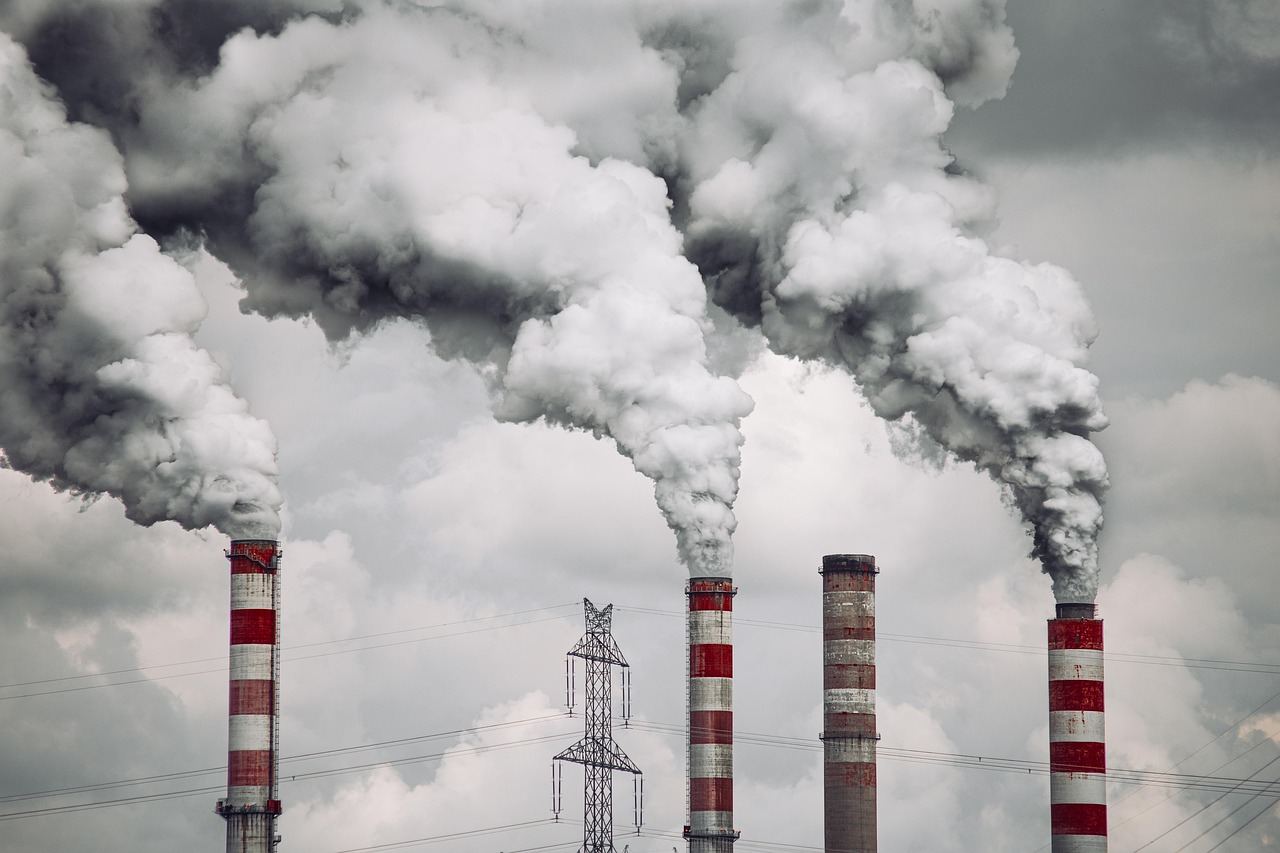
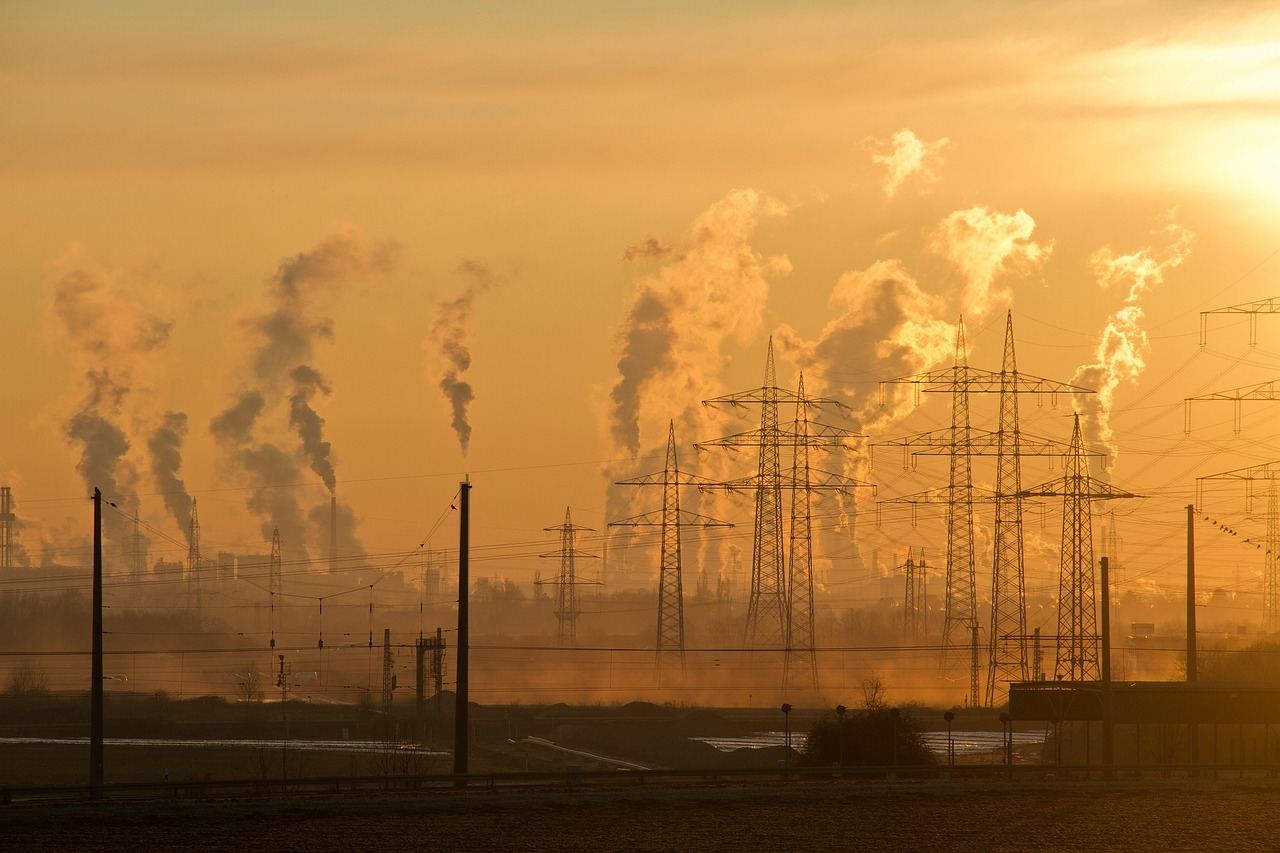
Fine particles come from power plants, factories, automobiles and wildfire smoke, the EPA notes. Our guide to the causes of air pollution looks at each source in more detail.
How polluted air affects your lungs
Because pollution enters through your airways, the lungs take the first hit. Fine particles can cause respiratory harm, including decreased lung function, asthma exacerbation, worsening chronic obstructive pulmonary disease (COPD), and more hospital admissions and emergency visits, according to the American Lung Association.
The same report lists these lung-related effects of polluted air:
- Wheezing and coughing
- Shortness of breath
- Asthma attacks
- Worsening COPD
- Lung cancer
Ozone is a different kind of irritant. Short-term exposure can cause chest pain, coughing and throat irritation, while long-term exposure can reduce lung function and lead to COPD, the Environmental Defense Fund reports. Ozone forms from volatile organic compounds and nitrogen oxides released by burning fossil fuels, and our page on ground level ozone explains the chemistry.
Nitrogen oxides add to the load near roads. They form in high concentrations around roadways, can contribute to asthma and bronchitis, and may raise the risk of heart disease, the same source says.
How it affects your heart and blood vessels
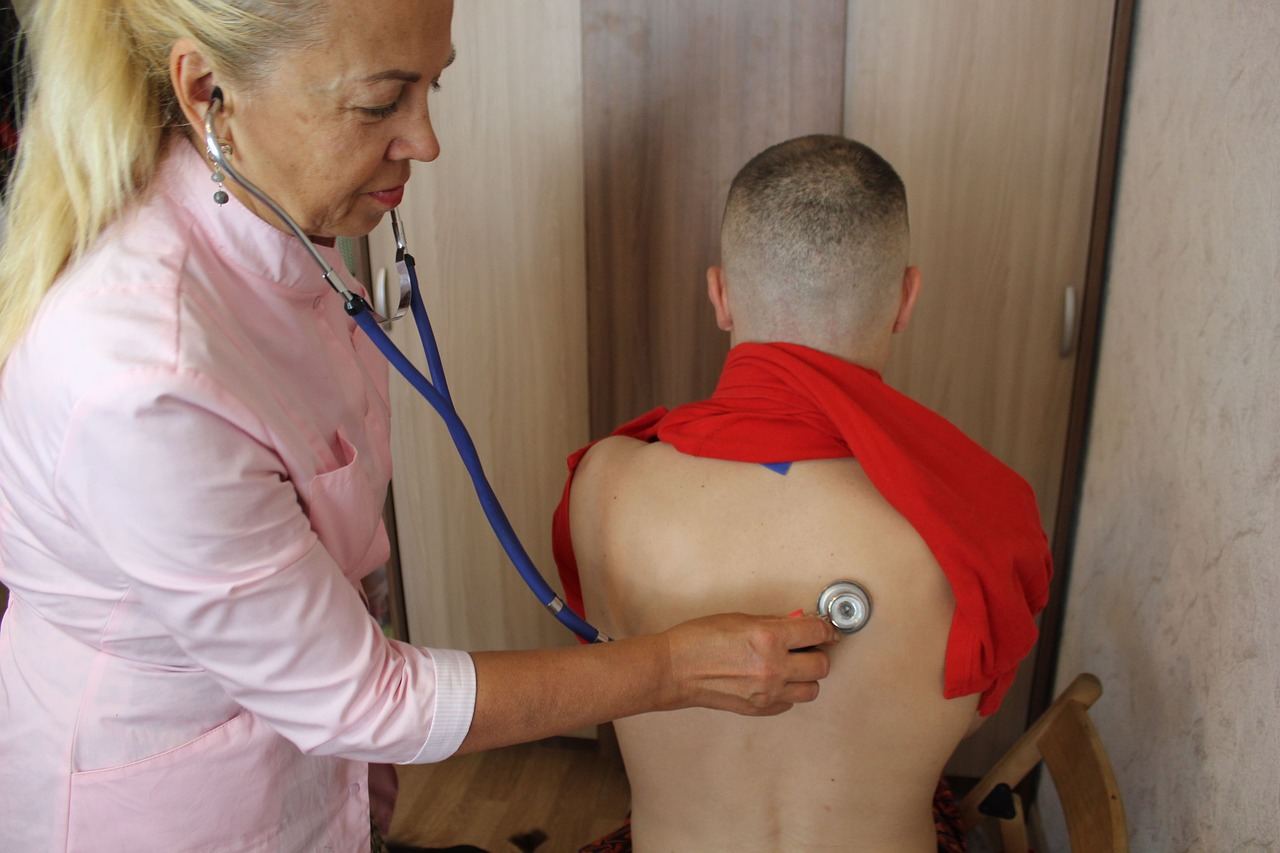
Many people expect lung problems and are surprised by the heart. Most deaths and many illnesses caused by particulate pollution are cardiovascular, mainly heart attacks and strokes, according to environmental health specialists writing in The Conversation.
The route runs through inflammation. Once particles enter the lungs, they trigger an inflammatory response that sends signals throughout the body, much as a bacterial infection would, the same authors write.
The EPA says exposure to higher PM2.5 concentrations over a few hours to weeks can trigger heart attacks and death linked to cardiovascular disease. It also puts the scale in context: one in three Americans has heart or blood vessel disease. The EPA page adds that for an individual, the risk from particle pollution is smaller than the risk from many other established factors.
People with chronic heart disease may notice symptoms after exposure to fine particles, the EPA lists:
- Heart palpitations
- Unusual fatigue
- Lightheadedness
- Shortness of breath
- Chest tightness or pain in the chest, neck or shoulder
Pregnancy, childhood and the developing brain
Harm can begin before birth. The American Lung Association lists preterm births and low birth weight among the effects of polluted air, alongside impaired cognitive functioning. Its health-impact page frames these as risks across a lifetime.
Children breathe polluted air at a vulnerable stage. The World Health Organization says more than 90 percent of the world’s children breathe air so polluted it threatens their health and development, as reported in The Conversation.
The brain is a newer area of concern. Studies show that higher PM2.5 exposure can impair brain development in children, the Environmental Defense Fund notes. The smallest particles can even travel from the nose into the brain along the olfactory nerve, and they may speed cognitive decline in adults, according to The Conversation article.
Who is most at risk, and when is exposure highest?
Some people are more susceptible than others. EPA research names these groups:
- Children
- Pregnant women
- Older adults
- People with existing heart and lung disease
- People in low socioeconomic neighborhoods, where proximity to industry, poor nutrition and stress can add to the harm
The EPA’s heart-health page also flags people with diabetes, elevated cholesterol or obesity. Those who live or work near roadways, railyards, sea ports or industrial areas may meet higher PM2.5 levels, the agency says.
Timing matters too. Particle levels can climb near busy roads at rush hour, when wood stoves, campfires or wildfires put smoke in the air, and when calm weather lets pollution build up. Wildland fire smoke can cause a variety of health effects, especially for people with existing lung and heart conditions, according to the EPA.
How large is the global toll?
The numbers are large. The 2024 State of Global Air report estimates that air pollution contributed to over 8 million deaths worldwide in 2021, the Environmental Defense Fund reports, and 99% of people breathe unhealthy air.
Researchers also track short bursts of pollution. A global assessment of more than 13,000 cities found that short-term PM2.5 exposure causes over 1 million premature deaths each year, and the American Lung Association puts the US figure for PM2.5 at more than 50,000 premature deaths annually. Both estimates appear in its report.
The Conversation article argues that ambient air pollution is the largest environmental health problem in the United States and worldwide. It also says regulation has worked in countries that tightened limits, though much remains to be done, based on its 2018 analysis.
Frequently asked questions
Can a short spike in pollution really harm me?
Show answer
Yes, the evidence points that way. A multi-country study found that a 10 microgram per cubic meter spike in daily PM2.5 was linked with higher daily all-cause deaths in all four countries studied, including the United States, the American Lung Association reports.
Is there a safe level of fine particle pollution?
Show answer
The American Lung Association’s report says health effects show up even at very low concentrations, including below current standards, so it describes no safe threshold. Check the report for the studies behind that statement.
Does outdoor pollution follow me indoors?
Show answer
Partly. Because fine particles are so small, they can slip into homes and buildings, so high outdoor levels can raise indoor concentrations, the EPA explains.
Does air pollution only affect the lungs?
Show answer
No. Beyond breathing problems, fine particle pollution can contribute to diabetes, nervous system disorders and lung cancer, according to the American Lung Association.