Worried about what’s falling with the rain? Acid rain causes come down to sulfur dioxide and nitrogen oxides, released mostly by burning fossil fuels, which react in the air to form sulfuric and nitric acids.
This guide is part of our wider coverage of air pollution, and it focuses on where acid rain comes from and how it forms.
| Item | Value |
|---|---|
| Normal rain acidity | pH of about 5.6 |
| Typical acid rain acidity | pH between 4.2 and 4.4 |
| Sulfur dioxide from electric power generators | Two thirds |
| Nitrogen oxides from electric power generators | One fourth |
| US wet deposition monitoring network | More than 250 monitoring sites |
These figures come from the EPA’s What is Acid Rain? page. Figures can change as monitoring continues, so check the source before you rely on them.
What causes acid rain?
Acid rain begins when sulfur dioxide and nitrogen oxides are emitted into the atmosphere and carried along by wind and air currents. In the air they react with water, oxygen and other chemicals to form sulfuric and nitric acids, which mix with water before reaching the ground, according to the EPA.
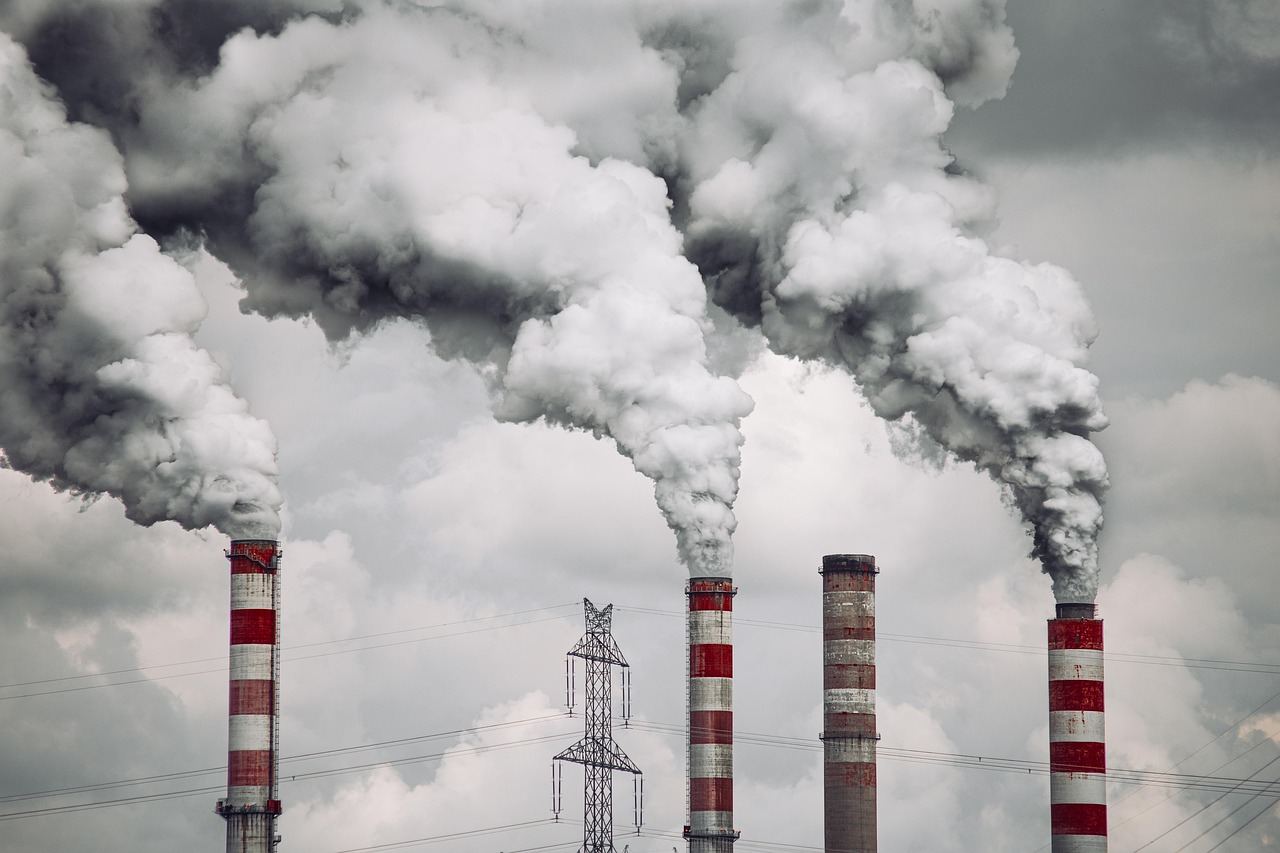
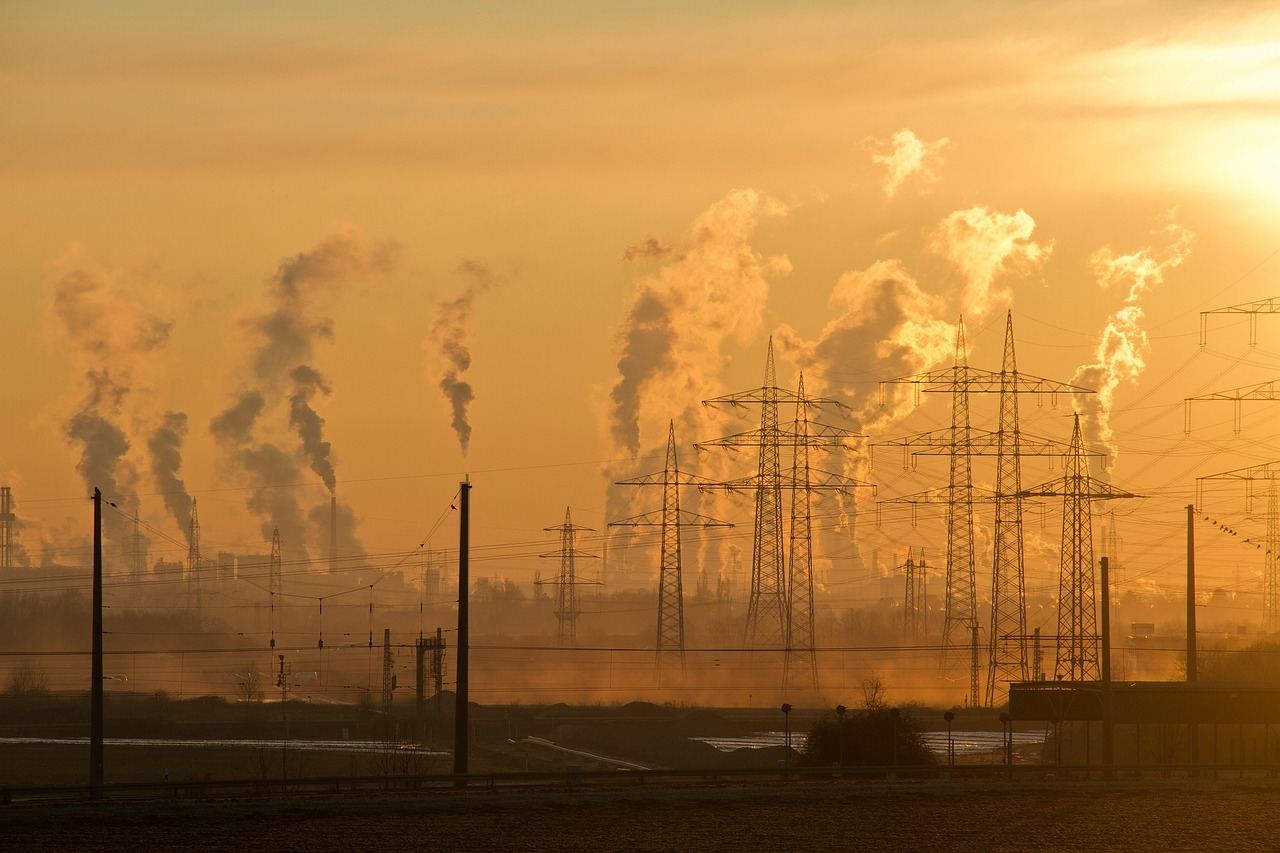
People are the main source. Power plants release the majority of sulfur dioxide and much of the nitrogen oxides when they burn fossil fuels such as coal, the EPA’s student site explains. Natural sources such as volcanoes add only a small portion, and the EPA’s overview says most of the rest comes from fossil fuel burning.
Where the emissions come from
The EPA names three major human sources of these gases in the atmosphere:
- Burning fossil fuels to generate electricity.
- Vehicles and heavy equipment.
- Manufacturing, oil refineries and other industries.
Electric power stands out. Two thirds of sulfur dioxide and one fourth of nitrogen oxides in the atmosphere come from electric power generators, per the EPA.
Traffic matters too. The exhaust from cars, trucks and buses puts nitrogen oxides and sulfur dioxide into the air, as the EPA’s student pages describe. For how these same gases feed haze and ozone, our explainer on what is smog goes further.
How the chemistry works from smokestack to rain
The pathway from pipe to puddle has four stages, as the EPA’s diagram shows:
- Emissions of sulfur dioxide and nitrogen oxides are released into the air.
- The pollutants are transformed into acid particles that may be transported long distances.
- The acid particles fall to earth as wet and dry deposition, such as dust, rain and snow.
- They may cause harmful effects on soil, forests, streams and lakes.
Both gases dissolve very easily in water and can be carried very far by the wind, the EPA’s student site notes. Because winds can blow them across borders, acid rain is a problem well beyond the places that emit them, the EPA adds.

Wet and dry deposition
“Acid rain” is shorthand. Acid deposition covers any precipitation with acidic components, and that can include rain, snow, fog, hail or even acidic dust, according to the EPA.
Wet deposition is what most people picture. Dry deposition happens when acidic particles and gases settle out of the air without moisture, landing on water, plants and buildings.
Climate changes the balance. In desert areas the ratio of dry to wet deposition is higher than in wetter regions, and dry deposition is difficult and expensive to measure, the EPA says.
How acid rain is measured
Scientists use the pH scale, where 7.0 is neutral and lower numbers are more acidic. Clean rain is slightly acidic, with a pH of about 5.6, because carbon dioxide dissolves into it and forms weak carbonic acid. Acid rain usually has a pH between 4.2 and 4.4, according to the EPA.
Three US networks track the problem, all described on the same EPA page:
- The National Atmospheric Deposition Program’s National Trends Network collects acid rain at more than 250 monitoring sites.
- The Clean Air Status and Trends Network measures air concentrations at more than 90 locations to estimate dry deposition.
- The Long-Term Monitoring Network tracks surface water chemistry at over 280 sites.
If you want to know what is in the air where you live today, learn how to check air quality near me.
Why some places feel the damage more
The same fallout does not hurt every landscape equally. Many forests, streams and lakes show no effects because their soil buffers the acid by neutralizing it as the water flows through, the EPA’s effects page explains.
Thin soil is the weak point. In mountainous parts of the Northeast United States the soil lacks the ability to neutralize the acid adequately, so acid and aluminum can build up in soil, streams and lakes.
Timing matters as well. Melting snow and heavy downpours can cause episodic acidification, a short spike in acidity that can injure organisms. Young animals are more sensitive than adults, and at pH 5, most fish eggs cannot hatch, the EPA reports.
Frequently asked questions
Do volcanoes cause acid rain?
Show answer
They contribute, but only a minor share of the gases involved. Human activity, led by power generation and transport, drives the bulk of it, according to the EPA.
Is ordinary rain acidic too?
Show answer
Yes, mildly. Carbon dioxide from the air dissolves in each raindrop and makes a weak acid, so scientists measure acid rain against that natural baseline rather than against neutral water.
Can getting caught in acid rain hurt me?
Show answer
Walking in it, or swimming in an affected lake, is no more dangerous than ordinary rain or a non-acidic lake. The risk comes from the gases and the fine sulfate and nitrate particles they form, which people can inhale and which are linked to heart and lung effects, as the EPA’s effects page describes.
Does acid rain only fall as rain?
Show answer
No. Snow, fog and hail can carry acids too, and so can dust that settles without any moisture at all.