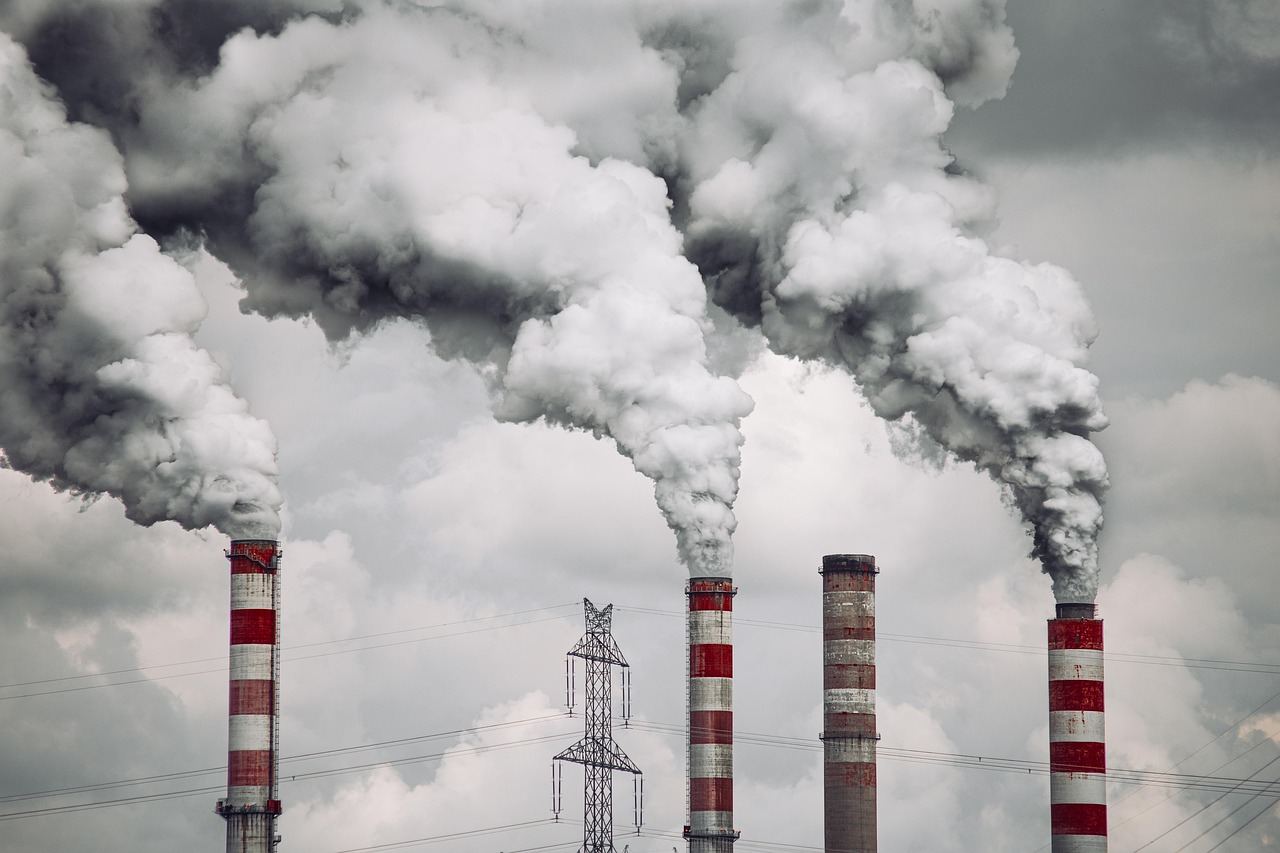
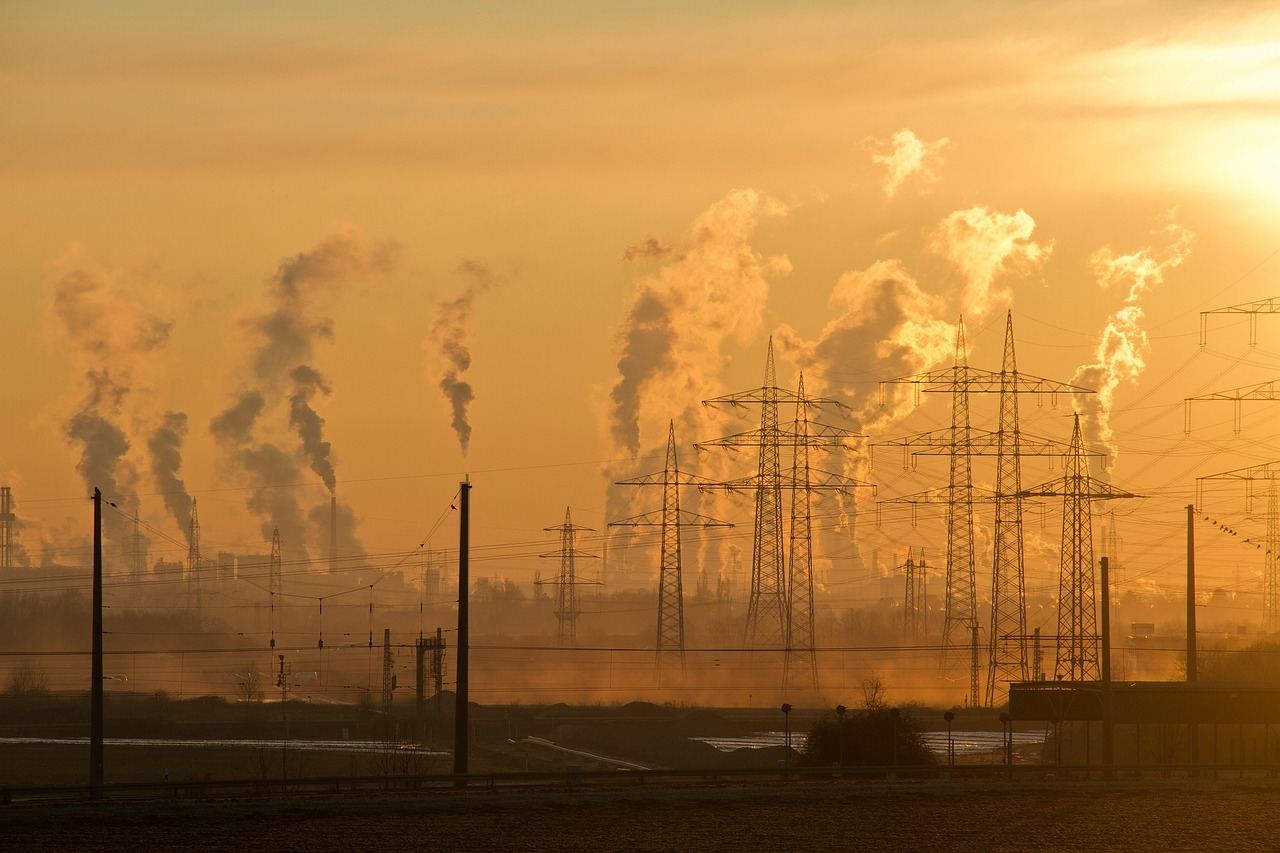
Wondering why the air feels harsh on a hot, sunny afternoon? Ground level ozone is a gas formed when sunlight reacts with vehicle and industrial emissions, and it can trigger health problems.
Ground-level ozone is one of the pollutants covered in our guide to air pollution, which is a good place to start if you want the full picture.
| Item | Value |
|---|---|
| Ozone molecule | Three atoms of oxygen |
| Emitted directly? | No, created by chemical reactions in the air |
| Ingredients | Oxides of nitrogen (NOx) and volatile organic compounds (VOC), plus sunlight |
| Typical peak conditions | Hot sunny days in urban environments |
| Clean Air Act status | One of six common air pollutants |
| Where to check daily levels | AirNow.gov |
These figures come from the EPA’s Ground-level Ozone Basics page, last updated on February 18, 2026. Rules and figures can change, so check the source before you rely on them.
What is ground level ozone, and why is it called “bad” ozone?
Ozone is a gas made of three atoms of oxygen. It turns up both high in the atmosphere and at street level, and the same molecule does very different jobs in each place, according to the EPA’s basics page.
Ozone in the stratosphere is “good” because it shields living things from the sun’s ultraviolet radiation. Ozone near the ground is “bad” because breathing it can cause health problems, especially for children, older adults and people with lung diseases such as asthma.
The EPA describes ground-level ozone as the main ingredient in smog. If you want to see how it fits alongside other haze-forming pollutants, our explainer on what is smog covers the wider story.
How ground level ozone forms
Nothing pours ozone straight out of a tailpipe or smokestack. It is a secondary pollutant: the EPA says it is created by chemical reactions between oxides of nitrogen (NOx) and volatile organic compounds (VOC), as explained on the basics page.
Those reactions need sunlight to run. The ingredients come from everyday activity, and the EPA names these emitters:
- Cars and other vehicles
- Power plants
- Industrial boilers
- Refineries
- Chemical plants
The EPA adds “and other sources” to that list, so the full mix of emitters is wider than the five named here.
When and where ozone levels climb
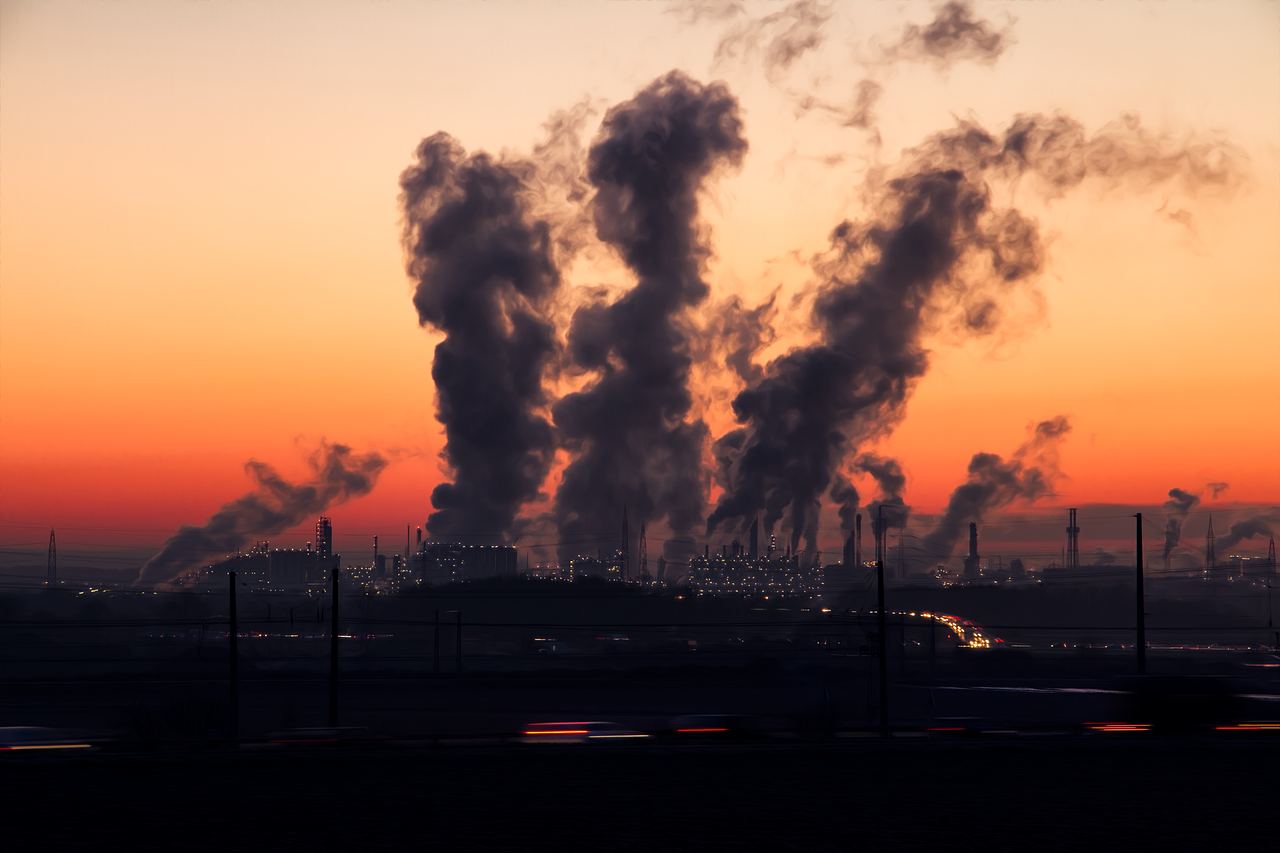
Ozone is most likely to reach unhealthy levels on hot sunny days in urban environments, according to the EPA. That fits the recipe: more sunlight and more traffic fumes give the reactions more to work with.
Winter does not guarantee a break. The same EPA page says ozone can still reach high levels during colder months.
Distance from the city is no guarantee either. Wind can carry ozone a long way, so even rural areas can see high readings, as the EPA notes.
In practice, that means a quiet countryside town downwind of a busy metro area can have worse ozone than the metro area’s own suburbs on some afternoons.
Who and what ground level ozone harms
The EPA says people at greatest risk from breathing ozone include people with asthma, along with children and older adults, according to its current basics page. Its archived January 2021 snapshot adds people who are active outdoors, especially outdoor workers.
That older snapshot also lists what breathing elevated ozone can do: chest pain, coughing, throat irritation and airway inflammation. It says ozone can also reduce lung function and harm lung tissue.
For how these effects sit alongside other pollutants, see our overview of the health effects of air pollution.
Plants are affected too. Elevated exposure can harm sensitive vegetation and ecosystems, including forests, parks, wildlife refuges and wilderness areas, and the harm to vegetation is greatest during the growing season, according to the EPA.
How ozone is regulated and how you can check it
As of the EPA’s page updated on February 18, 2026, ozone is one of the six common air pollutants identified in the Clean Air Act. The agency calls them “criteria air pollutants” because their outdoor levels need limiting on health grounds, per the basics page.
The path from a bad reading to a cleanup plan runs in steps:
- National standards (NAAQS) set the limit for the pollutant’s concentration in outdoor air.
- The EPA designates a region as attainment if it meets or beats the standard, or nonattainment if it does not.
- States with nonattainment areas must draft a state implementation plan (SIP).
- Once an area meets the standards, the EPA designates it a “maintenance area.”
Federal rules back this up, including vehicle and transportation standards, regional haze and visibility rules, and regular reviews of the standards. An EPA announcement dated December 20, 2024 said the agency had released volumes of the Integrated Review Plan for a review of the ozone standards, listed on the EPA ozone home page.
For your own day-to-day planning, AirNow is the tool the EPA points to. You can check ozone and other daily air quality information at www.airnow.gov, and in many areas you can sign up for alerts through www.enviroflash.info, as described on the basics page.
Frequently asked questions
Is ground-level ozone the same thing as the ozone layer?
Show answer
Chemically they are the same gas, but they matter in opposite ways. The protective layer sits in the upper atmosphere, and the EPA’s February 18, 2026 basics page says manmade chemicals partly destroyed it and that the resulting hole is diminishing. The ozone you breathe near the surface is a pollutant, per the EPA.
Can I get ozone problems outside summer?
Show answer
Yes. Heat and sun raise the odds, but the EPA says high levels can still occur in colder months. Check a daily forecast rather than assuming the season keeps you safe, using the EPA’s guidance.
Does living in the countryside protect me?
Show answer
Not reliably. Because wind transports the gas over long distances, areas far from traffic and factories can still record high ozone, as the EPA explains.
Where do I look up today’s ozone level?
Show answer
Start with AirNow, which the EPA recommends for current local readings and forecasts. Many areas also offer email alerts through EnviroFlash, according to the EPA basics page.