Wondering what size air purifier do I need? Measure your room’s floor area, then pick a unit whose smoke CADR is at least two-thirds of that number. Go higher for wildfire smoke or taller ceilings.
This guide is part of our wider look at air purifiers, so start there if you are still deciding which type fits your home.
| Item | Value |
|---|---|
| Minimum CADR for a 100 square feet room (EPA chart) | 65 cfm |
| Minimum CADR for a 300 square feet room (EPA chart) | 195 cfm |
| Minimum CADR for a 600 square feet room (EPA chart) | 390 cfm |
| Ceiling height the EPA chart assumes | 8 feet |
| AHAM rule of thumb | CADR at least two-thirds of the room’s area in square feet |
| AHAM guidance for wildfire smoke | Smoke CADR equal to the room’s area in square feet |
These figures come from EPA’s guide to air cleaners in the home, as archived on January 19, 2025, and from AHAM Verifide’s air filtration standards. Guidance can change, so check the source before you rely on the numbers.
How to size an air purifier for your room
Sizing comes down to one comparison: the purifier’s clean air delivery rate against the space it has to serve. EPA’s guide says the higher the CADR, the more particles the unit can filter and the larger the area it can serve. Most boxes also state the largest room the unit should be used in, which gives you a quick first filter.
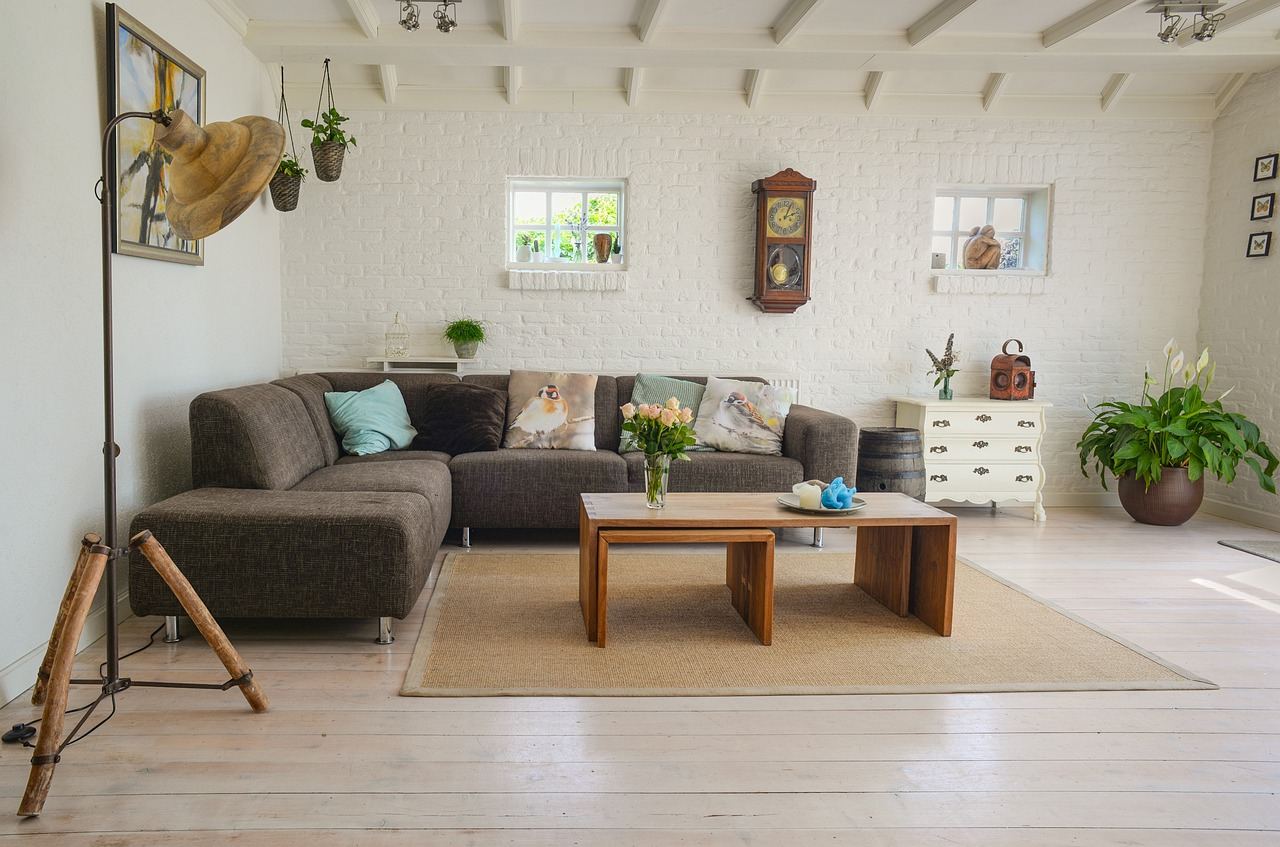
A simple routine works for almost any room:
- Measure the room’s length and width in feet, then multiply them to get the area in square feet.
- Look up the minimum CADR in the chart below, or take two-thirds of the area as a quick check.
- Compare that number with the smoke CADR printed on the label or the certification mark.
- Round up rather than down if your room falls between sizes or the ceilings are tall.
EPA minimum CADR by room size
The EPA guide includes a sizing chart for particle removal. As archived on January 19, 2025, it runs from 100 square feet up to 600 square feet, and the agency calls it an estimate. Its CADR values assume ceilings of 8 feet, so a taller room needs a stronger unit than the chart suggests.
| Room area | Minimum CADR |
|---|---|
| 100 square feet | 65 cfm |
| 200 square feet | 130 cfm |
| 300 square feet | 195 cfm |
| 400 square feet | 260 cfm |
| 500 square feet | 325 cfm |
| 600 square feet | 390 cfm |
The chart is drawn from EPA’s guide to air cleaners in the home; it is a historical snapshot, so confirm the figures at the source before you buy.
If your room sits between two rows, choose the row above it. A unit that is slightly oversized costs little, while an undersized one never quite keeps up.
The two-thirds rule from AHAM
AHAM, whose CADR standard is the one printed on most boxes, offers a faster shortcut. Its two-thirds rule says the CADR should equal at least two-thirds of the room’s area, according to AHAM Verifide.
The worked example there is a room of 10 feet by 12 feet, which has an area of 120 square feet. For that room AHAM says to look for a smoke CADR of at least 80. A higher CADR in the same room simply cleans the air more often and faster, so a bigger unit is not wasted.
The label lists separate scores for tobacco smoke, pollen and dust, and our explainer on what is cadr shows how to read them. For sizing, the smoke score is the one AHAM uses in its examples.
When to choose a bigger unit
The base numbers are a floor, not a target. Several situations justify going up a size:
- Tall ceilings: AHAM says that if ceilings are higher than 8 feet, a unit rated for a larger room is necessary (AHAM Verifide).
- Wildfire smoke: AHAM recommends a smoke CADR equal to the room’s size in square feet, which is higher than the everyday rule.
- Low fan speeds: if you run the unit quietly on its lowest setting, it moves less air than its rating implies.
- Heavy daily sources: cooking, cleaning products and smoking all add particles faster than a minimal unit can remove them.
On fan speed, EPA notes that higher speeds and longer run times increase the amount of air filtered. If sneezing and pollen are your main concern, our guide to choosing an air purifier for allergies builds on these sizing steps.
What CADR does not tell you
CADR measures particles only. EPA states that the rating system covers particles and that no widely used performance rating exists for gas-removal filters, so odors and chemicals need a separate check (EPA). For gases, the agency points to an activated carbon filter with a large amount of material in it.
A correctly sized purifier also depends on upkeep. EPA warns that a dirty, overloaded filter will not work well. AHAM adds that off-brand or unverified replacement filters may fail to meet the original’s performance standards (AHAM Verifide).
Portable units are meant for a single room or area, while central furnace or HVAC filters cover the whole home. For an HVAC upgrade, EPA suggests at least a MERV 13 rating, or as high as your system can handle. Those systems usually run less than 25% of the time, so they filter only part of the day (EPA).
Source control and fresh-air ventilation remain the most effective steps, and filtration supplements them. Because most people spend about 90% of their time indoors, the room where you sleep or work is the sensible place to start.
Frequently asked questions
Can an air purifier be too powerful for my room?
Show answer
Not in terms of cleaning. A unit rated above your room’s minimum just cycles the room’s air more often, as AHAM Verifide explains, so the main trade-offs are price and noise.
What if my room opens onto other spaces?
Show answer
Portable cleaners are designed for a single room or area, according to EPA. Treat the connected space as one area, add up its square feet, and size to the total or place the unit where you spend the most time.
Which CADR number should I compare with my room size?
Show answer
Use the smoke score for general sizing and for wildfire smoke, as in AHAM’s examples. The EPA chart applies to particle removal only, so it will not tell you how well a unit handles odors.
Does a portable purifier replace my furnace filter?
Show answer
No. EPA describes the two as complementary: a portable unit treats one room, whereas the furnace filter works only while the system is running. No single device removes every pollutant, per the EPA guide.